
Blondies are the brown-sugar sister of the brownie: the same dense, chewy bar, but built on butter, brown sugar, and vanilla instead of chocolate. They taste of butterscotch and caramel, with a soft, fudgy crumb and a thin, shiny top. Chocolate chips, butterscotch chips, or toasted nuts are the usual additions, and a generous hit of brown sugar is what gives them their deep, almost toffee-like flavor. They are baked and cut in a pan exactly like brownies and are a fixture of American bake sales and cookie tins.



The blondie's lineage actually runs back further than the chocolate brownie. The earliest American 'brownie' recipes of the 1890s, including Fannie Farmer's 1896 version, took their color and flavor from molasses and brown sugar rather than chocolate, because cocoa was then an expensive luxury; these molasses-and-butterscotch bars are effectively the ancestor of today's blondie. When chocolate brownies took off in the early twentieth century, the older pale bar lived on as the 'butterscotch brownie' or 'blond brownie.' The snappy name 'blondie' itself is comparatively recent, generally dated only to the mid-1970s or after. The dish has no single inventor; it is a folk evolution of the early American bar cookie.
The texture is chewy and dense, with a moist, slightly underdone center and crisper, caramelized edges. The flavor leads with brown sugar — butterscotch, caramel, a faint molasses warmth — rounded by butter and brightened by vanilla. The thin top crust gives a gentle crackle, and chips or nuts break up the chew. Sweeter and mellower than a brownie, a blondie tastes like the inside of a chewy toffee turned into a bar.
The chew comes from brown sugar, which is sucrose plus molasses: the molasses is hygroscopic and holds water, so the crumb stays moist and bends rather than crumbling. Melting the butter before mixing, rather than creaming it, limits aeration and keeps the bars dense and fudgy like a brownie. Brown sugar's acidity and reducing sugars also drive browning, so the edges and top caramelize and deepen in flavor as they bake. With little flour and gentle mixing, gluten stays low and the bars do not toughen. Baking at moderate heat and stopping while the center is just set preserves the soft middle, which firms on cooling.
Variations
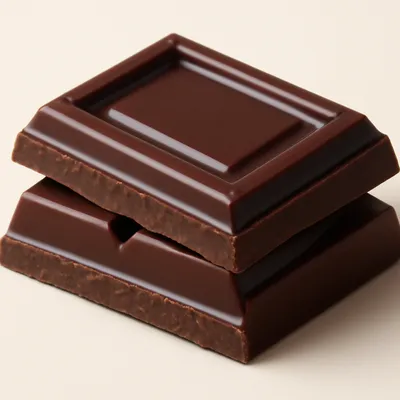
Chocolate chips are the most popular mix-in, turning blondies into a bar-form chocolate-chip cookie; butterscotch chips, white chocolate, toffee bits, or toasted pecans and walnuts are all common. Browning the butter first deepens the nutty, caramel flavor into a 'brown butter blondie.' Some bakers swirl in peanut butter or top the bars with a salted-caramel layer or a sprinkle of flaky salt to cut the sweetness. The base formula is endlessly adaptable, since anything that suits a cookie suits a blondie.
On the Palate
Where Blondies sits in the American flavor cloud
Ingredients
Serves 16

How it's made
8 steps · 15 min active + 30 min waiting
- 15 min
Line a square baking pan with parchment and heat the oven to a moderate temperature.
- 24 min
Melt the butter and let it cool until just warm.
Watch outMelt the butter and cool it to just warm before mixing — hot butter cooks the egg, and re-creaming aerates it, killing the dense fudgy chew.
- 33 min
Stir the brown sugar into the melted butter until smooth and glossy.
- 42 min
Beat in the egg and vanilla until well combined.
- 53 min
Fold in the flour, baking powder, and salt just until no dry streaks remain.
Watch outFold in the flour just until no dry streaks show — overmix and the gluten builds, turning the bars tough instead of tender.
- 61 min
Stir in the chocolate chips, reserving a few for the top.
- 72 min
Spread the thick batter evenly in the pan and scatter the reserved chips over it.
- 828 min
Bake until the top is golden and set at the edges but still soft in the middle, then cool before cutting.
Watch outPull them when the edges are set but the middle still looks soft — they firm up as they cool, and this is what keeps the center fudgy.
Archive tool suggestions — not reviewed
These legacy suggestions have not been evidence-reviewed and are not presented as required tools.


