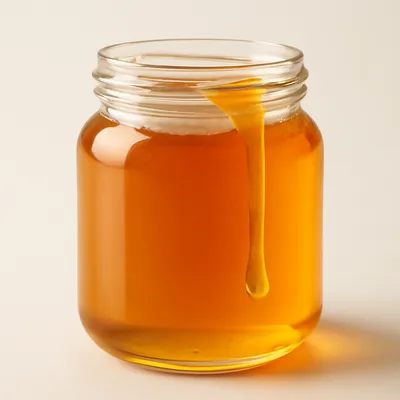
The puffed fried bread of the New Mexican table: squares of a soft wheat dough dropped into hot oil, where they balloon into hollow, golden pillows. They are served hot with honey, which is poured into a torn corner so it fills the hollow interior. At a New Mexican meal the sopaipilla doubles as both the bread that accompanies a chile-heavy plate and the dessert that closes it, eaten by tearing off a corner and drizzling honey inside.



New Mexican sopaipillas descend from the olive-oil-fried doughs of Andalusia in southern Spain, where a similar fritter called sopaipa is recorded, carried to the Southwest through the Spanish colonial line. The form is tied to the Hispano kitchen of New Mexico and is treated there as the regional table bread. It shares its name and ancestry with the Chilean sopaipilla but is a distinct dish: the Chilean version is round, flat, often pricked with a fork and made with pumpkin worked into the dough, whereas the New Mexican one is a leavened, hollow puff with no pumpkin, served with honey rather than pebre or chancaca syrup.
The shell is thin, crisp and lightly blistered, shattering at the first bite to reveal a completely hollow, steam-filled interior with only a wisp of soft crumb clinging to the walls. The dough itself is barely sweet and faintly salty; the sweetness comes entirely from the honey pooled inside, hot and runny against the crisp wall. Eaten warm, the contrast is of brittle, oil-crisped surface against thin, tender interior and liquid honey.
The puff is a steam effect, not a yeast effect at the moment of frying: the dough is rolled thin and rested, then slid into oil at about 190°C, where the surface sets instantly while the water inside flashes to steam and inflates the square into a sealed balloon. A thin, evenly rolled sheet and oil hot enough to seal the surface before steam can escape are both essential — dough rolled too thick, or oil too cool, yields a dense fritter that never hollows. The leavening (baking powder or a little yeast) builds the tender crumb but the dramatic hollow is steam.
Variations
In northern New Mexico, savory sopaipillas are split and stuffed with carne adovada or beans, smothered in chile and cheese, and served as an entree rather than a sweet. The same fried dough appears across the Southwest and in Texas as the sopapilla, and a flat, pumpkin-dough cousin is eaten in Chile under the same name. Some New Mexican cooks finish the dessert version with honey and a dusting of cinnamon sugar.
On the Palate
Where New Mexican Sopaipillas sits in the American flavor cloud
Roll the dough thin and even and fry in oil hot enough to seal the surface instantly — the hollow puff is a steam trick, so thick dough or cool oil gives a dense fritter that never balloons.
Ingredients
Serves 4
How it's made
7 steps · 30 min
- 18 min
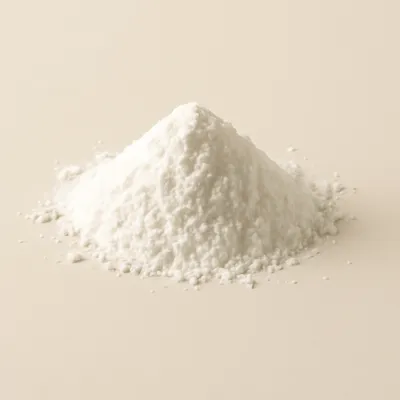
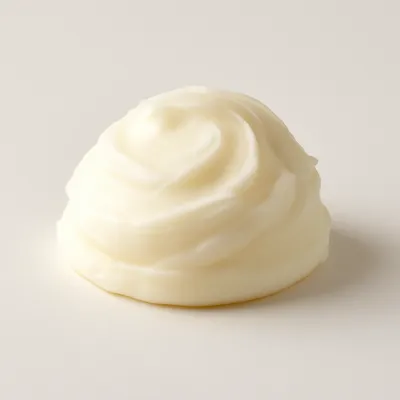
Mix flour, baking powder, salt and a little fat, then add warm water to form a soft dough.
- 230 min
Knead briefly until smooth, then cover and rest the dough for 30 minutes.
- 38 min
Roll the dough out thin and even, about 5 mm, and cut into squares.
- 45 min
Heat oil in a deep pan to 190°C.
Watch outTest the oil with a scrap of dough — it should rise and sizzle at once; if it sinks and sits, the oil is too cool to seal and puff.
- 56 min
Slide the squares in one or two at a time, spooning hot oil over the top so they puff and balloon.
Watch outSpoon hot oil over the top the moment it goes in; within seconds it should balloon into a sealed, hollow puff.
- 66 min
Fry until golden on both sides, turning once, then drain on paper.
- 72 min
Serve hot, tearing a corner and pouring honey into the hollow center.
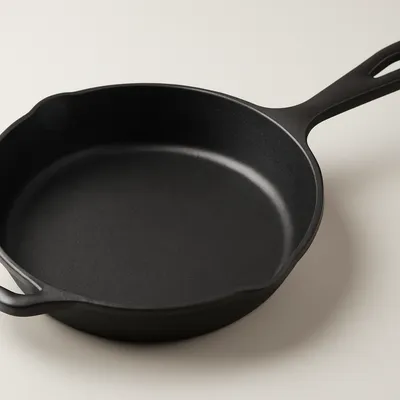
Archive tool suggestions — not reviewed
These legacy suggestions have not been evidence-reviewed and are not presented as required tools.