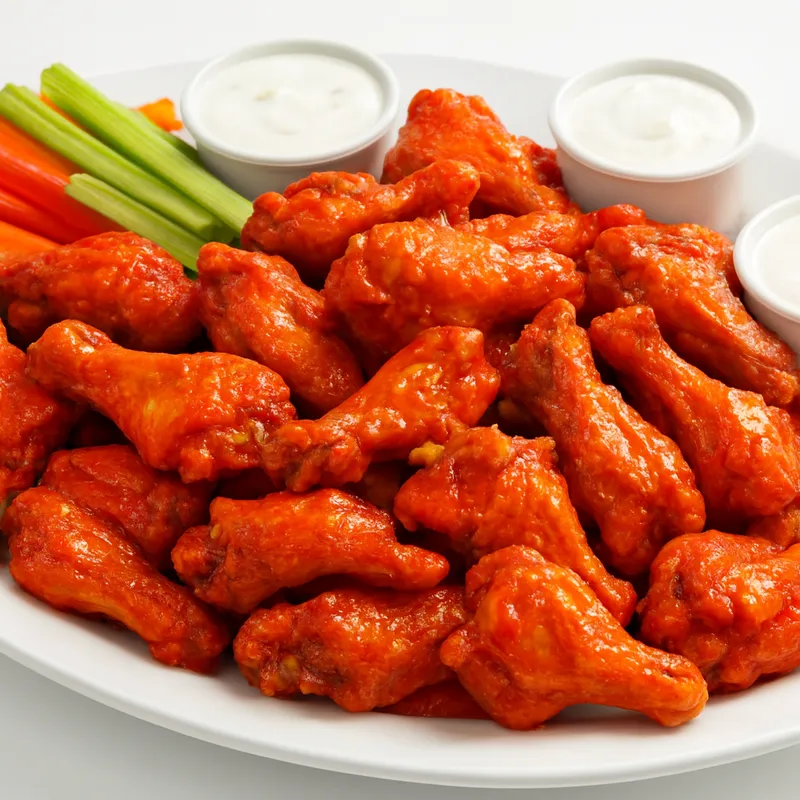
Maryland-style chicken wings: oven-roasted or deep-fried until skin is crackling, then tossed in melted butter and a heavy hand of Old Bay seasoning — finishing-side, not breaded.


Old Bay seasoning was created in 1939 by Gustav Brunn, a German Jewish refugee who fled Frankfurt and settled in Baltimore. He sold it from a stand near the Wholesale Fish Market on Market Place to season the Chesapeake's blue crabs. The wings application is later — Maryland sports bars in the 1980s, especially in Baltimore and Annapolis, started tossing fried wings in Old Bay butter as a regional alternative to Buffalo wings (1964, Anchor Bar). Today Old Bay wings are the default at Orioles and Ravens game-day spreads, and the McCormick-owned brand sells more wing seasoning every year.
Old Bay was created in 1939 by Gustav Brunn, a refugee from Frankfurt who fled to Baltimore and sold it from a Lexington Market stand to season Chesapeake blue crabs. The wing application is 1980s Maryland sports-bar lineage — the regional answer to Buffalo's 1964 Anchor Bar build.
Skin shatters audibly on first bite — the dry-brine plus baking powder gets it as close to fried texture as an oven can. Then comes the seasoning: celery seed, paprika, mustard, bay leaf, the unmistakable Old Bay profile, riding in on butter that's coated every crevice. No heat — Maryland wings are not Buffalo wings. The flavor is bright and herbal-savory rather than vinegar-hot. Lemon at the end cuts the butter. Benchmark: orange-red fingerprints on a cold beer glass.
Old Bay as a finisher (not a breading) is the load-bearing distinction. The seasoning's flavor compounds — celery seed's apiole, paprika's capsanthin, mustard's allyl isothiocyanate — are volatile and lipid-soluble; in melted butter they bloom and disperse evenly. Bake them into a breading and they steam off and char. The tossing-while-hot step matters because butter only adheres to wing skin at the moment its melted fat can pool against the crisp surface. Once the skin cools, the butter beads off and the spice falls.
Variations
Maryland sports-bar standard (butter-tossed, no heat); Wegmans-style oven-baked dry-rub; some Baltimore crab houses serve them in a paper bag shaken with extra Old Bay tableside.
On the Palate
Where Old Bay Wings sits in the American flavor cloud
Ingredients
Serves 4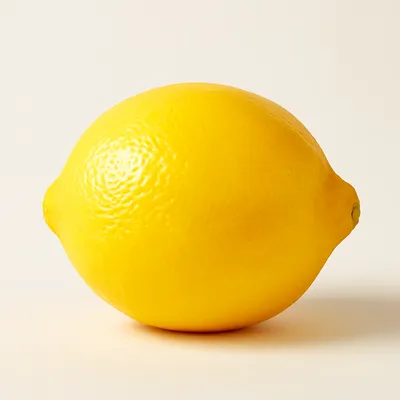
How it's made
5 steps · 25 min active + 45 min waiting
- 150 min
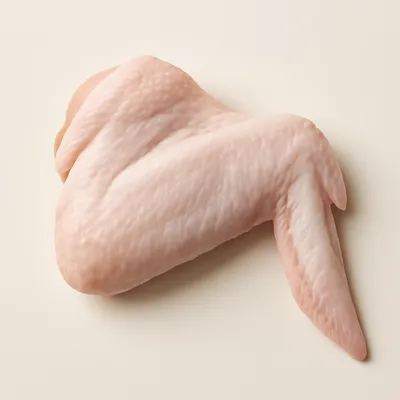
Pat 2 lb (900g) chicken wings (split into flats and drumettes) bone-dry with paper towels. Toss in a bowl with 1 1/2 tsp baking powder (not soda) and 1/2 tsp fine salt. Spread on a wire rack over a sheet pan, refrigerate uncovered 45 minutes — this dries the skin further.
Watch outBaking powder, not baking soda — soda tastes metallic and burns the skin. The fridge dry is the difference between crisp and rubbery.
- 240 min
Preheat oven to 425°F (220°C). Roast wings on the rack 35-40 minutes, flipping once halfway, until skin is deeply golden and crackling. Or deep-fry at 375°F (190°C) 8-10 minutes — both work; the oven is the home move.
Watch outDark blistered skin, not pale gold — pull when it looks too brown.
- 33 min
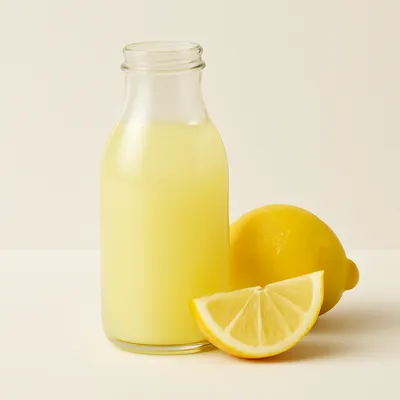
While wings cook, melt 4 tbsp unsalted butter in a small saucepan over low heat. Whisk in 2 tbsp Old Bay seasoning and 1 tbsp lemon juice. Keep warm — do not let butter brown.
Watch outBrowned butter is delicious, but it kills the bright Old Bay top note. Hold under 200°F (95°C).
- 41 min
Transfer hot wings to a large bowl. Pour the Old Bay butter over and toss with tongs 30 seconds until every wing is coated and you can no longer see bare skin. Add 1 more tablespoon Old Bay if you want a heavier crust.
Watch outToss while wings are still hot from the oven — cold wings don't take the seasoning evenly.
- 52 min
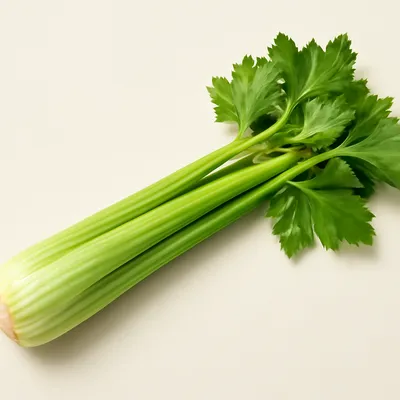
Pile on a platter. Serve with celery sticks, lemon wedges, and a small bowl of cold ranch (Maryland) or blue cheese (regional minority opinion). No dipping sauce in the wings — it makes them soggy.
Archive tool suggestions — not reviewed
These legacy suggestions have not been evidence-reviewed and are not presented as required tools.