Tall, flaky Southern biscuits with crisp tops and pull-apart layers — cold butter cut into soft-wheat flour, bound with cultured buttermilk, baked hot and fast.



Buttermilk biscuits are a Southern reinvention of the British scone, made possible by two American developments: low-protein soft red winter wheat (best grown in the upper South, milled by White Lily Foods of Knoxville, Tennessee since 1883) and the spread of chemical leavening (baking powder commercialised 1856, baking soda earlier). Plantation kitchens and African American cooks codified the laminated, flaky form by the late 19th century; biscuits became the Southern Sunday-breakfast and supper-table staple, served with country ham, gravy, jam, or molasses.
Built on soft red winter wheat — White Lily Foods of Knoxville, Tennessee has been milling it since 1883 — and 1856 commercial baking powder. Cold butter's 18% water flashes to steam at 230°C and forces the layers apart, same physics as puff pastry.
Pull one apart along its seam and the layers separate like book pages, each thinner than a coin, each slightly buttered. The crust shatters at the edges, the bottom carries a faint chew from the pan contact, and the centre is creamy from the cultured buttermilk's tang. Eat split with a slab of cold butter that melts in (or country ham, or sausage gravy, or sorghum molasses). The biscuit hot is a different food from the biscuit cool — the difference between hot and cool is about ten minutes wide.
The flake comes from cold-butter lamination: as the biscuit hits the 230°C oven, water in the butter (about 18%) flashes to steam in the time it takes the dough's gluten to set. The steam expands and forces the layers apart — exactly the same physics as puff pastry, only short-cut by the fold-and-pat method. Soft-wheat flour matters because it has 8-9% protein vs all-purpose 11-12%; less gluten means the layers stay tender rather than chewy. Buttermilk's lactic acid both tenderises and reacts with baking soda for additional lift.
Variations
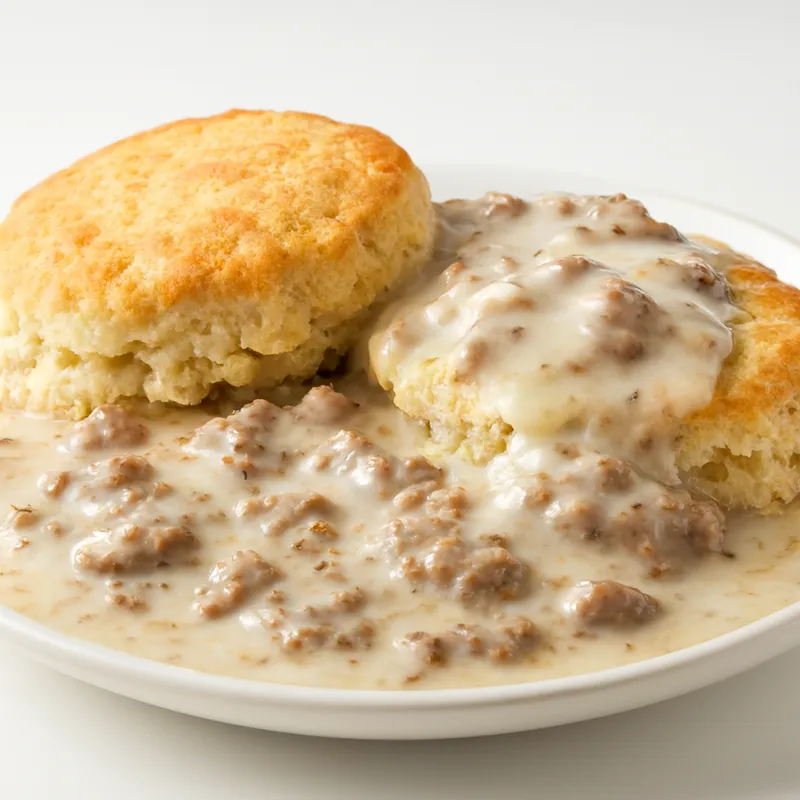
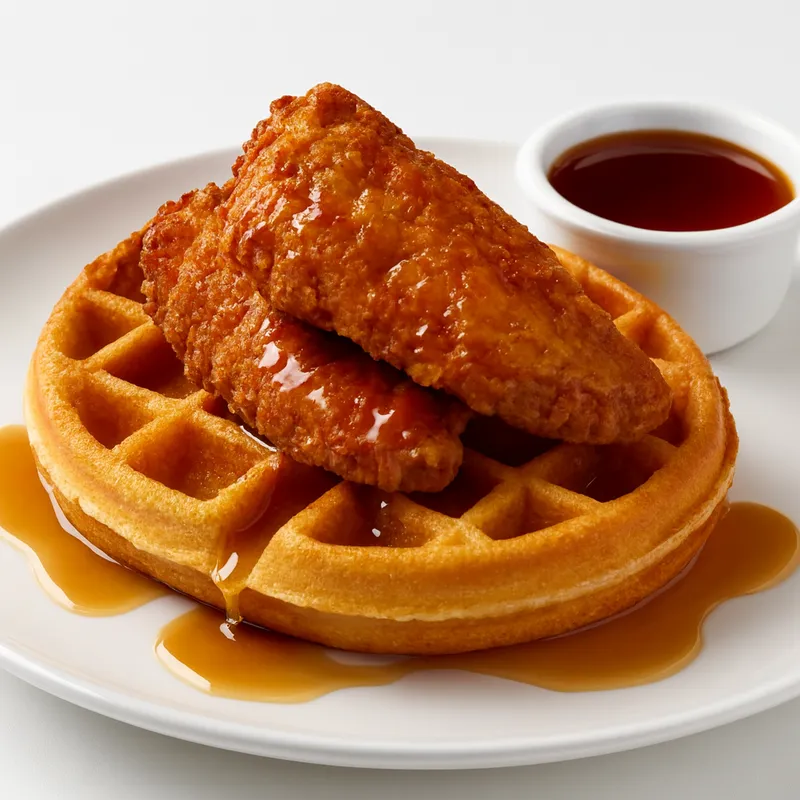
Loveless Cafe (Nashville) is the cathead-style benchmark; Bojangles' (Charlotte, 1977) is the fast-food reference; Pine State Biscuits (Portland, OR) runs the Pacific-NW version; Callie's Hot Little Biscuit (Charleston) is the modern restaurant standard.
On the Palate
Where Buttermilk Biscuits sits in the American flavor cloud
Ingredients
Serves 8How it's made
8 steps · 18 min active + 12 min waiting
- 115 min
Freeze 170g unsalted butter (preferably European-style, higher fat) for 15 minutes. Heat oven to 450°F (230°C) — high heat is non-negotiable for the steam-driven rise.
Watch outSoft butter blends into the flour and you get a dense scone, not flake.
- 22 min
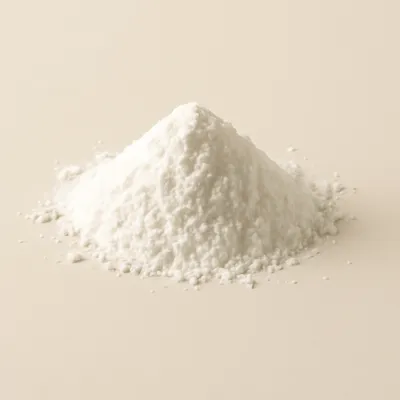
Whisk 360g White Lily or other soft-wheat all-purpose flour, 1 tbsp baking powder, 1 tsp baking soda, 1 tsp kosher salt in a wide bowl.
Watch outAll-purpose hard-wheat flour gives a chewier biscuit — Southern bakers swear by White Lily for tenderness.
- 33 min
Grate the frozen butter on the large holes of a box grater directly into the flour. Toss with fingertips to coat each shred — don't rub it in. You want visible lumps.
Watch outVisible butter chunks are the entire point — they melt into steam pockets. Fully blended butter = no flake.
- 41 min
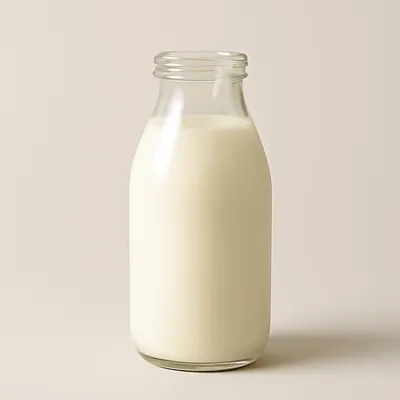
Pour in 240ml cold full-fat buttermilk all at once. Stir with a wooden spoon just until a shaggy dough forms — 8-10 strokes, no more. Some dry flour at the bottom is fine.
Watch outOvermixing develops gluten; biscuits go tough. Stop while it still looks rough.
- 54 min
Turn onto a floured counter. Pat into a 2cm-thick rectangle. Fold in thirds like a letter, pat again to 2cm; repeat the fold-and-pat 3-4 times total. Each fold builds layers.
Watch outDon't roll with a pin — it crushes air. Pat with hands and use minimum flour.
- 62 min
Pat to a final 2.5cm thickness. Cut with a 6cm round cutter dipped in flour — push straight down, do NOT twist. Twisting seals the edges and stops the rise.
Watch outTwisting the cutter is the single most common reason biscuits don't rise tall.
- 71 min
Place biscuits on a parchment-lined sheet so they touch sides — they push each other up. Brush tops with 2 tbsp melted butter or buttermilk.
- 813 min
Bake 12-14 minutes until tops are deep gold and bottoms golden. Pull from oven and brush with another 2 tbsp melted butter. Serve hot — within 10 minutes of leaving the oven.
Watch outCold biscuits go from glory to bricks in 30 minutes. Reheat in a 350°F oven, never microwave.
Archive tool suggestions — not reviewed
These legacy suggestions have not been evidence-reviewed and are not presented as required tools.