


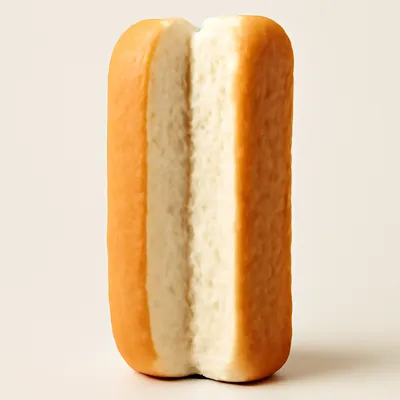
The Connecticut hot version was invented in 1929 at Perry's restaurant in Milford, CT, when a customer asked for lobster on a hot bun. The Maine cold-mayo version followed in the 1930s along Route 1's seafood shacks. The split-top bun (Howard Johnson's commissioned it from Maine baker J.J. Nissen in the 1940s) was originally designed for Howard Johnson's fried clam rolls and only later became the standard for the lobster roll — its flat sides made for the griddle.
Maine vs Connecticut split — Maine serves cold lobster meat with mayo on a top-split bun (Howard Johnson's first commercial version, 1929); Connecticut serves it warm with drawn butter, no mayo. Perry's Lobster Shack in Surry, ME runs both.
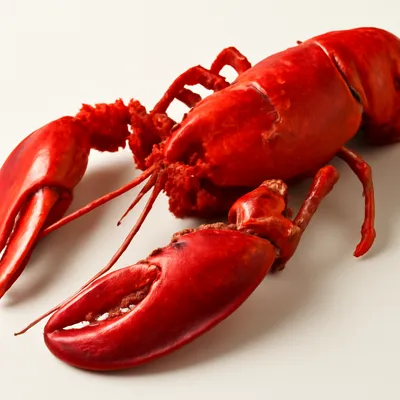
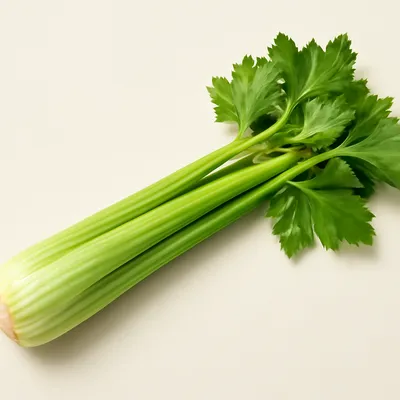
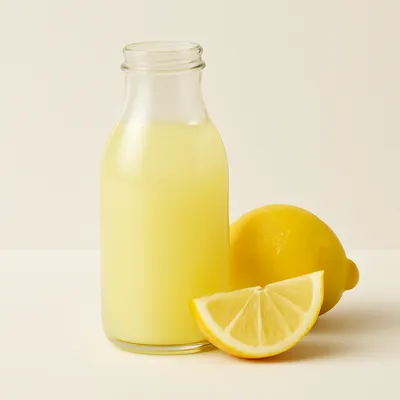
A top-split, griddle-toasted hot dog bun stuffed with cold-poached Maine lobster meat — chunks of claw and tail, not shred. Two camps: Maine-style (mayo, celery, lemon, served cold) or Connecticut-style (warm, drawn butter, no mayo). Bun's flat-toasted sides go gold and crackly; bread-to-meat ratio matters — too much bun and you're eating a sandwich, too little and there's no vehicle.
Lobster is cooked just past translucent (about 6 minutes for 1.25-pound lobsters in salted water) and chilled fast — overcooking turns the meat rubbery and chalky because the muscle protein squeezes out water. The mayo (when used) is barely a binder, a tablespoon for a pound; more than that and you've made lobster salad, which is a different dish.
Variations
Maine-style (cold, mayo, top-split bun); Connecticut-style (warm, drawn butter); Quebec-style guédille uses iceberg and a longer bun; New York Lobster Place adds tarragon; Cousins Maine Lobster food trucks split it down the middle, your choice of either.
On the Palate
Where Lobster Roll sits in the American flavor cloud
Cook the lobster just past translucent and chill it fast — about six minutes in salted water for a pound-and-a-quarter lobster; push it further and the muscle squeezes out its water and turns rubbery and chalky, and no bun or butter saves it.
Ingredients
How it's made
4 steps · 20 min
- 15 min
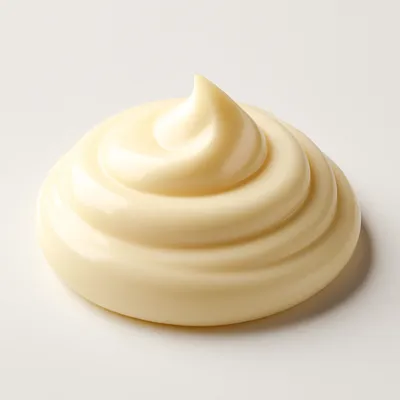
In a large bowl, gently mix the lobster meat with mayonnaise, ensuring each piece is lightly coated. Add finely diced celery for a refreshing crunch.
Watch outJust a whisper of mayo — each piece barely glossed, not swimming; you should still see the lobster, not a white dressing.
- 25 min
Heat a skillet over medium heat and melt a generous amount of butter. Split the New England–style hot dog buns and toast them in the butter until golden brown and crisp on the edges.
Watch outGriddle the buttered sides until deep golden and crisp — pale and soft means you toasted it too shy.
- 35 min
Fill each toasted bun with the prepared lobster mixture, packing it generously. Season with a sprinkle of salt and a squeeze of fresh lemon juice for brightness.
- 45 min
Serve the lobster rolls immediately, perhaps with a side of potato chips or fries to complete the classic experience.
Archive tool suggestions — not reviewed
These legacy suggestions have not been evidence-reviewed and are not presented as required tools.
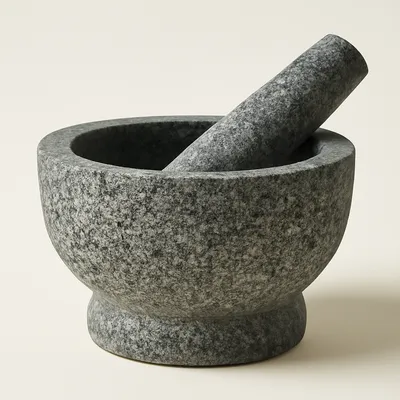
The simplest tool in any kitchen: a heavy bowl and a club to bash things in it. Different cuisines use different stones — Thai cooks pound green papaya in a tall granite mortar (krok hin); pesto Genovese requires the soft-pored Carrara marble; Indian masalas grind down on rough basalt. The bash-don't-cut motion releases volatile oils that a blade keeps sealed in the cell wall.
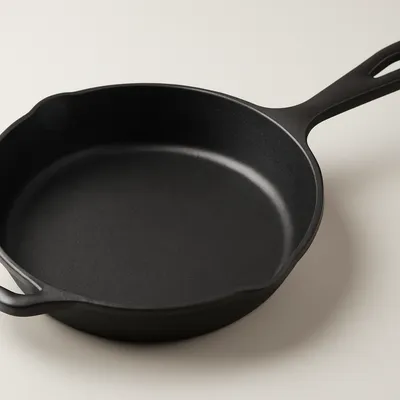
A heavy, single-piece cast iron pan, 25-30 cm across, weighing 1.5-2.5 kg. Once preheated, the thick mass holds 230°C+ even when a cold steak hits the surface — that's the secret to a deep crust. A well-seasoned skillet (multiple thin layers of polymerized oil baked into the iron) is essentially nonstick, gets better with use, and lasts a century. Lodge skillets from Tennessee have been in continuous production since 1896.