Geoduck crudo is the long siphon of the giant Pacific clam (Panopea generosa), sliced raw and paper-thin, then dressed simply with citrus, good oil, and a little salt. The siphon is briefly blanched and shocked in ice so the dark outer skin slips off, leaving translucent ivory flesh that eats sweet, clean, and snappingly crisp. Puget Sound and Hood Canal hold the world's main wild geoduck populations, and the clam doubles as the prized 'elephant-trunk clam' of Cantonese seafood. Served crudo or sashimi-style, it is the most direct way to taste the texture that makes the species famous.




The clam's name comes from the Lushootseed (Nisqually) word gʷídəq, spoken by Coast Salish peoples of the Puget Sound region; it entered English around 1883, and despite the spelling has nothing to do with ducks (the pronunciation is closer to 'gooey-duck'). Its meaning is disputed: many sources gloss it as 'dig deep,' while the Oxford English Dictionary treats the root as obscure. Washington supplies roughly half the world's geoduck, harvested by divers in Puget Sound and Hood Canal, with most of the catch shipped live to China and Hong Kong, where the species is the luxury 象拔蚌. Serving it as a thin-sliced crudo is a modern Pacific Northwest move, drawing on the region's Japanese sashimi tradition and its access to the live clam at the source.
The first thing you register is the snap — a clean, almost cartilaginous crunch that gives way without turning rubbery, nothing like the soft chew of most clams. Then a wave of cool, mineral sweetness, low salt, high ocean. The flesh is firm and faintly springy, the citrus and oil sitting on the surface rather than soaking in, so the clam's own clarity stays front and center. A good slice tastes of cold seawater and cucumber; a bad one is thick-cut, chewy, and tastes of nothing.
Geoduck's signature crunch comes from the siphon, a heavily muscled tube whose collagen-rich connective tissue stays firm when raw — cook it long and it toughens, so it is eaten either barely blanched or fully raw. The 10–15 second dip in boiling water followed by an ice shock does no real cooking; it only loosens the dark epithelial skin so it peels away in one sheet, while the brief heat firms the surface and the ice halts any carryover. Slicing thin and against the grain shortens the muscle fibers so each piece reads as crisp rather than tough. Keeping the meat and slices on ice slows enzymatic softening and tightens the proteins, preserving the snap; acid from the citrus is added only at the end, since prolonged contact would 'cook' and cloud the surface like a ceviche.
Variations
In Cantonese kitchens the same siphon is more often flash-scalded for hot pot or stir-fried with the belly meat, but high-end Chinese restaurants also serve it raw as 刺身. Japanese sushi bars list it as mirugai-style geoduck (true mirugai is a related clam) over rice or as nigiri. Pacific Northwest crudo versions lean on yuzu or finger lime, olive oil, and flaky salt; izakaya-influenced ones use ponzu, grated ginger, and scallion. The trimmed body (the breast and mantle) is rarely wasted — it is chopped for fritters, chowder, or stir-fries.
On the Palate
Where Geoduck Crudo sits in the American flavor cloud
Ingredients
Serves 2
How it's made
6 steps · 20 min active + 5 min waiting
- 15 min
Rinse the live geoduck under cold water. Bring a pot of water to a rolling boil and prepare a large bowl of ice water alongside.
- 21 min
Hold the clam by the siphon and dip just the siphon into the boiling water for 10–15 seconds, then plunge it immediately into the ice water.
Watch outDip only the siphon for ten to fifteen seconds, then plunge into ice — this doesn't cook it, it just loosens the skin; leave it in longer and the crunch toughens.
- 34 min
Once chilled, grip the loosened dark skin and peel it off the siphon in one piece, like removing a glove, leaving clean ivory flesh. Separate the siphon from the body.
- 44 min
Slit the siphon lengthwise, rinse out any grit, and pat completely dry. Set the meat on a plate over ice to keep it cold and firm.
- 54 min
Using a sharp knife, slice the siphon as thinly as possible on a diagonal, against the grain, and fan the slices over a chilled plate.
Watch outSlice as thin as you can on the diagonal, against the grain — thin cross-grain cuts read crisp, thick ones chew tough.
- 62 min
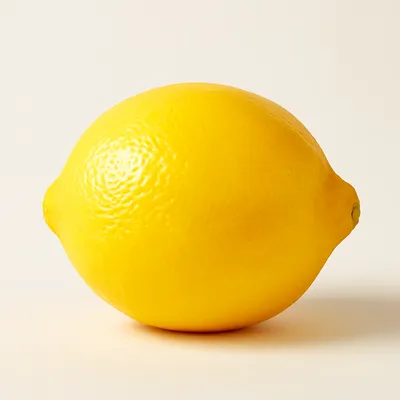
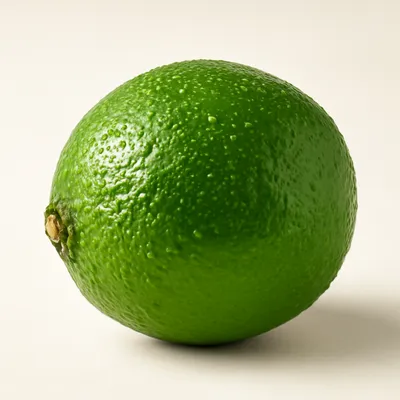
Dress just before serving: a squeeze of lemon and lime, a thread of olive oil and a few drops of sesame oil, thin ginger and green onion, and a pinch of salt.
Archive tool suggestions — not reviewed
These legacy suggestions have not been evidence-reviewed and are not presented as required tools.