Diced potatoes pan-fried with onion until the cut faces are crusty and browned and the insides stay creamy. Home fries are the standard American diner breakfast potato, served alongside eggs, bacon, and toast. Unlike grated hash browns, they keep their cubed shape; unlike French fries, they are cooked in a skillet rather than a deep fryer. Often seasoned simply with salt, pepper, and paprika, sometimes with bell pepper added.





Home fries are a folk dish without a single inventor or origin date — the everyday American way of frying up potatoes in a skillet, long tied to using leftover boiled or baked potatoes from the night before. The name signals the cooking: 'home' frying in a pan with a little fat, as opposed to the deep-fried 'French' fry. Potatoes became a breakfast standard as American diner and short-order culture took shape through the 19th and early 20th centuries, and the skillet potato settled into the eggs-and-toast plate as one of its default sides. Exact first use of the term is unrecorded.
A crisp, golden crust on each cube breaking to a soft, fluffy interior, with sweet, slightly charred onion threaded throughout. The contrast of crackly edge and creamy middle is the whole point; a good batch is browned in patches, not uniformly pale, and the onions are caramelized rather than raw. Salt, pepper, and a little paprika carry the flavor. They should be greaseless and crisp, not soggy or oily.
Browning is Maillard plus a little caramelization on the potato's cut surfaces, which needs dry potato faces, a hot pan, enough fat, and crucially patience — the cubes must sit undisturbed long enough to form a crust before being turned, or they steam and fall apart. Parboiling or using day-old cooked potatoes helps two ways: it gelatinizes the starch so the interior turns creamy, and it dries the surface so the crust sets faster. Crowding the pan traps steam and prevents crisping, so the potatoes are cooked in a single layer with room to breathe. The onions go in partway so they soften and sweeten without burning before the potatoes are done.
Variations
The main variables are the potato cut and how dressed-up the dish gets. Some cooks parboil first for guaranteed creaminess, others fry raw diced potato slowly from the start. Diner versions often add diced green and red bell pepper (sometimes called 'cottage fries' or 'country potatoes' on menus), and garlic, paprika, or a finish of fresh herbs are common. Closely related skillet potatoes include the grated hash brown and the sliced cottage fry; the line between them is mostly about cut and crust.
On the Palate
Where Home Fries sits in the American flavor cloud
Ingredients
Serves 4How it's made
6 steps · 10 min
- 16 min
Cut the potatoes into even small cubes; for a creamier inside, parboil them until just tender, then drain and let them dry.
Watch outDry the potato faces well before frying — a wet surface steams instead of browning and the crust never sets.
- 22 min
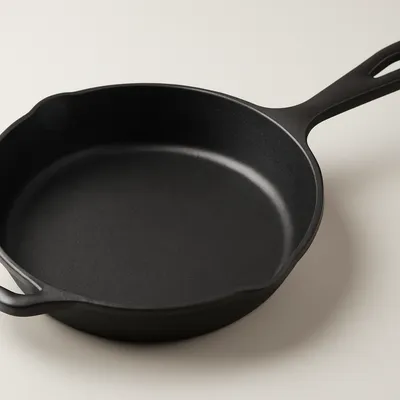
Heat a generous amount of fat in a heavy skillet over medium-high heat.
- 36 min
Add the potatoes in a single layer and let them sit undisturbed until a golden crust forms on the bottom.
Watch outLet the cubes sit undisturbed until a golden crust forms on the bottom — flip too soon and they steam and fall apart.
- 45 min
Turn the potatoes and continue browning, stirring only occasionally, so all faces crisp.
- 54 min
Add the diced onion (and bell pepper, if using) partway through and cook until softened and lightly caramelized.
Watch outAdd the onion partway through so it softens and lightly caramelizes without burning before the potatoes crisp.
- 62 min
Season with salt, pepper, and paprika, toss, and serve hot.
Archive tool suggestions — not reviewed
These legacy suggestions have not been evidence-reviewed and are not presented as required tools.