
American cheesecake is a baked custard of cream cheese, sugar, and eggs set over a buttery graham-cracker crust, chilled until firm and sliced into rich wedges. It is the plain, everyday form of the cake — softer and a touch tangy, lighter than the famously dense New York style yet built on the same cream-cheese base. The crumb crust gives a sandy, toasty contrast to the smooth, creamy filling. Served cold, often with a spoonful of fruit or a drizzle of sauce, it is one of the most beloved American desserts.
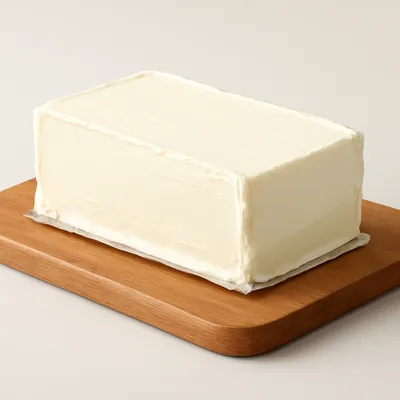


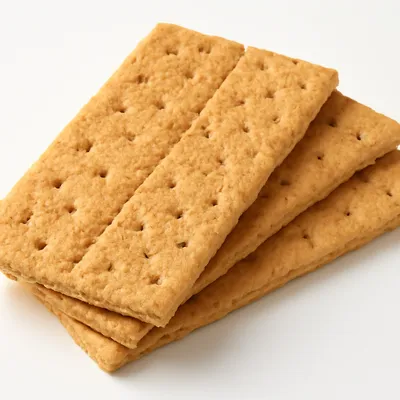


Though cheese-based cakes go back to antiquity, the American cheesecake depends on a specifically American ingredient: cream cheese. It was developed in 1872 by William Lawrence, a dairyman in Chester, New York, who while trying to copy French Neufchâtel produced a richer, softer unripened cheese; his firm later marketed it under the now-famous 'Philadelphia' brand name, adopted around 1880. Cream cheese gave American bakers a smooth, stable base for a dense baked custard, distinct from the ricotta or curd cheesecakes of Europe. The graham-cracker crumb crust, made from an American cracker, became the standard base. The plain baked cream-cheese cake is the national everyday form from which the denser New York style and many regional variants descend.
The filling is smooth, dense, and creamy, melting on the tongue with the gentle tang of cream cheese balanced against the sugar; the plain version is a little lighter and softer than the brick-dense New York style. Beneath it, the graham crust adds a sandy, buttery, faintly toasted crunch and a honey-cinnamon note. The whole is rich and cool, sweet but not sharply so, with a clean dairy finish. A wedge eaten cold is dense enough that a thin slice satisfies, and a tart fruit topping cuts the richness.
This is a baked egg custard thickened by cream cheese: the eggs' proteins coagulate gently in the heat and, with the high fat of the cream cheese, set the filling into a smooth, sliceable gel rather than a liquid. Low, even heat is critical — too hot and the proteins tighten too fast, curdling the texture, cracking the top, or weeping; many bakers use a water bath to buffer the temperature and keep the custard creamy. The filling is pulled while the center still jiggles, then chilled for hours so it firms fully and the flavor settles. The crust is pre-baked so the butter binds the crumbs into a firm base that resists the moist filling, and slow cooling helps prevent the surface from cracking as it contracts.
Variations
The plain baked cream-cheese cake is the base from which variants branch: the New York style adds more cream cheese, eggs, and often heavy cream or sour cream for a taller, denser slice, while a sour-cream-topped version adds a tangy white layer. No-bake cheesecakes set with gelatin or whipped cream instead of the oven for a lighter, mousse-like texture. Toppings range from fresh berries and fruit compote to chocolate, caramel, or a cherry glaze, and the crust can be graham, cookie, or shortbread. Regional and ethnic forms include ricotta-based Italian and farmer-cheese versions.
On the Palate
Where Cheesecake sits in the American flavor cloud
Ingredients
Serves 12
How it's made
8 steps · 30 min active + 5 hours 30 min waiting
- 18 min
Crush the graham crackers and mix them with melted butter and a little sugar.
- 212 min
Press the crumbs firmly into the base of a springform pan and pre-bake until set.
- 36 min
Beat the cream cheese with the sugar until completely smooth and lump-free.
- 44 min
Beat in the eggs one at a time, then the vanilla, mixing only until combined.
- 53 min
Pour the filling over the cooled crust and smooth the top.
- 675 min
Bake low and slow, ideally in a water bath, until the edges are set but the center still jiggles.
Watch outPull the cheesecake while the center still jiggles like set jelly — the edges firm, the middle wobbly; bake until the center is stiff and it'll crack and turn grainy as it cools.
- 790 min
Turn off the oven and let the cake cool slowly inside to prevent cracking.
Watch outCool it slowly in the switched-off oven — a sudden drop in temperature tightens the surface and splits the top open.
- 8240 min
Chill the cheesecake several hours or overnight before slicing.
Archive tool suggestions — not reviewed
These legacy suggestions have not been evidence-reviewed and are not presented as required tools.


