A diner classic that sits halfway between a burger and a grilled cheese: a thin beef patty, a heap of deep-caramelized onions, and melting Swiss cheese pressed between two slices of rye and griddled in butter until the bread is crisp and dark and the cheese runs. There is no lettuce, no tomato, no bun — just beef, onion, cheese, and toasted rye, which makes it richer and more savory than a plain cheeseburger. It is a fixture of American diners and coffee shops.




The patty melt is commonly credited to Tiny Naylor, a Southern California restaurateur, who is said to have served it at his Los Angeles drive-ins in the late 1940s or early 1950s; the attribution rests largely on family and trade lore rather than firm documentation, so it is best taken as a likely rather than a settled origin. Whatever its exact birth, the sandwich is a product of postwar West Coast diner and lunch-counter culture, where it spread quickly and became a national menu standard — a hamburger crossed with a grilled cheese, dressed down to its richest parts.
The first thing is the rye: butter-griddled to a brittle, deep-brown crust with a faint caraway tang. Inside, the cheese is fully molten, the onions are jammy and sweet from long cooking, and the thin patty is savory and well-browned. Every bite is soft-rich center against crisp edge, with no cold, crunchy garnish to interrupt it. It eats heavier and more unified than a burger — closer to a very meaty grilled cheese.
Two slow transformations carry the flavor. The onions are cooked low and long until their sharp sulfur compounds break down and their sugars caramelize into something sweet, brown, and almost jam-like — twenty to forty minutes of patience, not a quick sauté. The sandwich is then griddled in butter, whose milk solids brown for nutty flavor while the fat crisps the rye; the bread must toast slowly enough that the Swiss inside melts fully before the crust burns. Rye is structural, not incidental — its tight crumb holds up to the butter and the juices without going soggy.
Variations
Swiss is traditional, though American or a Swiss-and-American mix is common; some cooks add a thin smear of Thousand Island or a few pickles, edging it toward a Reuben. The patty may be a single thin one or smashed; the bread is almost always rye, but sourdough turns up. The non-negotiables are caramelized onions, melted cheese, and griddled bread — drop the onions and it stops being a patty melt.
On the Palate
Where Patty Melt sits in the American flavor cloud
Ingredients
Serves 2How it's made
6 steps · 35 min
- 130 min
Slice the onions thin and cook them slowly in butter over low heat, stirring often, until deep golden and jammy, 20 to 40 minutes.
Watch outCook the onions low and slow 20 to 40 minutes until deep golden and jammy — rush them on high heat and they scorch instead of turning sweet.
- 23 min
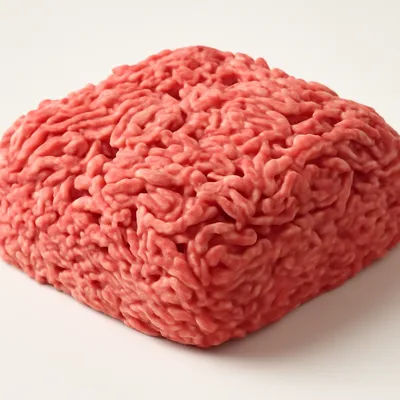
Form the ground beef into two thin patties the size of the bread and season with salt and pepper.
- 34 min
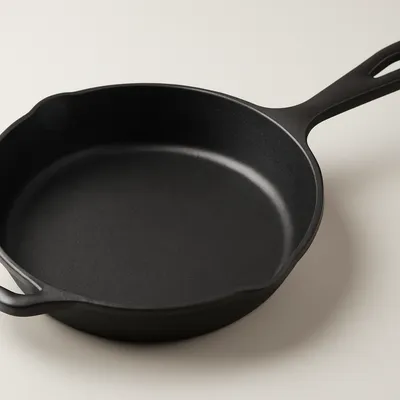
Sear the patties in a hot skillet until well browned on both sides, then set aside.
- 42 min
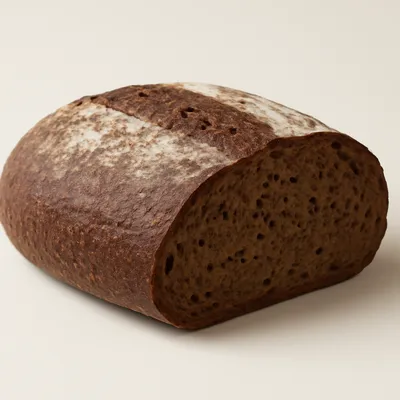
Butter one side of each rye slice; on the dry sides build each sandwich with cheese, a patty, the onions, more cheese, and a second slice.
- 53 min
Griddle the sandwiches butter-side down over medium heat, pressing lightly, until the bread is crisp and dark.
Watch outGriddle slowly over medium so the Swiss inside melts fully before the rye crust darkens too far — bread and cheese have to finish together.
- 63 min
Flip and griddle the other side until the cheese is fully melted, then cut in half and serve.
Archive tool suggestions — not reviewed
These legacy suggestions have not been evidence-reviewed and are not presented as required tools.