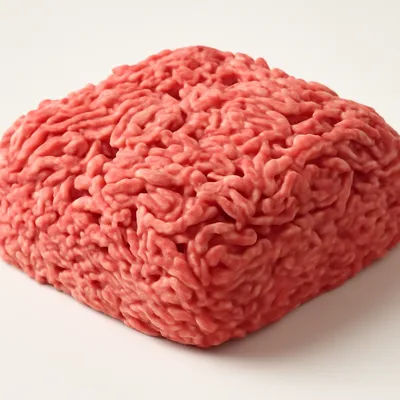
A burger built on a single move: a loose ball of ground beef is dropped on a screaming-hot griddle and smashed flat with a stiff spatula, so it spreads into a thin disc with frilled, lace-crisp edges. Pressed only once, at the start, and never again, it cooks in a minute or two; a slice of American cheese goes on to melt, and the whole thing is stacked — often doubled — on a soft, butter-toasted bun. The trade is interior thickness for crust, and crust is the point.




Thin patties pressed into a hot pan for speed go back to the earliest American hamburgers sold at fairs and lunch counters in the late nineteenth and early twentieth centuries, and several Midwestern spots claim continuous service of the style since the 1930s. The specific bean-can smashing technique is often traced to a Dairy Cheer drive-in in Ashland, Kentucky, around the 1950s and 60s, where owner Bill Culvertson is credited with adopting a cook's habit of flattening beef balls with a heavy can. The method stayed a regional diner trick for decades; it became a nationwide craze in the 2000s and 2010s after fast-casual chains built whole menus on it.
The edges are everything: thin, dark, shatter-crisp frills that crackle and carry an intense roasted-beef savor, giving way to a thin but still juicy center. American cheese melts into the craggy surface and binds the lace. On a soft bun the burger almost dissolves — there is little to chew, just crust, cheese, and beef in fast succession. Doubled, the ratio of crispy edge to soft middle climbs even higher.
Smashing forces the maximum area of beef into contact with metal at 230–260°C (450–500°F), which drives the Maillard reaction hard and fast over a huge surface — far more browned crust per ounce than any thick patty can manage. The single early smash is critical: pressing again later, once the juices have begun to set, only squeezes them out and dries the meat. A loosely packed ball, not a pre-formed patty, smashes into those ragged frilled edges because the open structure lets the meat spread and char unevenly rather than seal into a smooth disc.
Variations
The single-versus-double choice is the main fork; doubles are now arguably the default. American cheese is near-universal for its melt. Common dressings are a tangy 'burger sauce,' shredded lettuce, raw or grilled onion, and pickle, in the trim style of a fast-food cheeseburger rather than a piled diner one. Some cooks smash a layer of thin onions into the patty as it cooks, after the Oklahoma onion-burger tradition.
On the Palate
Where Smashburger sits in the American flavor cloud
Ingredients
Serves 4How it's made
6 steps · 15 min
- 12 min
Divide the ground beef into loose balls without packing them tight; do not season yet.
- 23 min
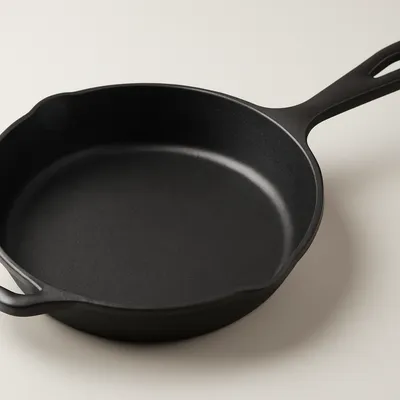
Heat a flat-top or heavy cast-iron skillet until very hot, almost smoking.
- 32 min
Set a ball on the griddle and smash it flat and thin at once with a stiff spatula, pressing hard for a few seconds, then season the top with salt and pepper.
Watch outSmash once, hard, right away — pressing again after the juices set only squeezes them out and dries the patty; that single smash builds the lacy browned edges.
- 42 min
Cook undisturbed until the edges are lacy and deep brown and juices bead on top, about 2 minutes.
Watch outLeave it undisturbed until the edges go lacy and deep brown and juices bead on top — moving it too soon tears the crust before it forms.
- 51 min
Scrape under the crust to flip, lay on a slice of cheese, and cook 30 seconds more.
- 61 min
Stack onto a butter-toasted bun, single or doubled, dress as you like, and serve at once.
Archive tool suggestions — not reviewed
These legacy suggestions have not been evidence-reviewed and are not presented as required tools.