Two slices of bread buttered on the outside and griddled around a filling of cheese until the crust is golden and the interior melts to a pull. It is an everyday American lunch and a diner-counter staple, most often built on plain white bread with processed American cheese and cut on the diagonal. The sandwich is closed, distinguishing it from its open-faced predecessor, and is the classic companion to a bowl of tomato soup.
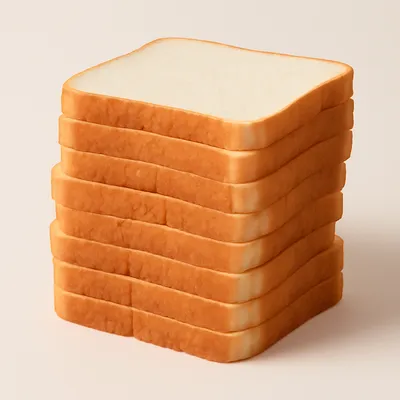


The closed grilled cheese grew out of the open-faced "cheese dream," a single slice of bread topped with cheese and broiled until browned and puffy, which became a Depression-era supper staple in the 1930s. Two industrial advances made it cheap and easy: James L. Kraft's patent on processed cheese in 1916, which melted smoothly and came in squares the size of a bread slice, and the spread of pre-sliced bread through the 1920s. The dish was called "toasted cheese" or "cheese dream" into the 1960s before "grilled cheese" prevailed; U.S. Navy cooks fried "American cheese filling sandwiches" through the Second World War.
The crust shatters and crackles, a thin golden-brown shell of toasted bread crisped in butter, giving way to a soft warm interior. The cheese inside is fully liquid and stretches into long strings when the sandwich is pulled apart. Salt and butter dominate, with the mild tang of the cheese behind; the contrast of crisp exterior against molten centre is the entire point. Eaten too late it turns rubbery, so it is best straight off the griddle while the pull still holds.
Butter on the outer faces conducts heat into the bread and browns it by the Maillard reaction at around 150°C, crisping the starch into a rigid shell while the interior stays soft. The filling melts because cheese passes its melting point near 60-70°C; processed American cheese is the diner default because added emulsifying salts (sodium citrate and phosphates) keep the protein and fat in a smooth, stretchable melt instead of breaking into greasy curds the way aged cheddar can. Low-to-moderate heat is essential, so the bread browns at the same pace the cheese softens.
Variations
Beyond the plain white-and-American standard, common upgrades swap in sourdough or rye and sharp cheddar, Gruyère or a blend, and add tomato, bacon or ham. The patty melt is a close cousin built around a beef patty and onions on rye, and the Welsh rarebit and croque-monsieur are its grander relatives. Mayonnaise is sometimes spread on the outside instead of butter for an even browner crust, and the sandwich is near-universally paired with tomato soup for dipping.
On the Palate
Where Grilled Cheese sits in the American flavor cloud
Ingredients
Serves 1How it's made
6 steps · 10 min
- 12 min
Butter one side of each of two bread slices, right to the edges.
- 21 min
Lay one slice butter-side down in a cold skillet and pile cheese onto it.
- 31 min
Top with the second slice, butter-side up.
- 43 min
Set the heat to medium-low and cook about 3 minutes until the underside is golden brown.
Watch outCook on medium-low so the bread browns at the same pace the cheese melts — high heat scorches the outside before the middle goes gooey.
- 53 min
Flip and cook the second side 2-3 minutes more until golden and the cheese is fully melted.
Watch outFlip and finish until golden and the cheese is fully melted and stretchy — pull it early and you get cold, solid cheese inside.
- 61 min
Transfer to a board, rest 1 minute, then cut on the diagonal and serve hot.
Archive tool suggestions — not reviewed
These legacy suggestions have not been evidence-reviewed and are not presented as required tools.