
A refined Guanzhong (central Shaanxi) cold-style starter and a signature of Qin cuisine, built almost entirely on knife work. Fresh pork kidney is peeled of its membrane, split, and cleared of the white core that carries the urinary off-smell, then sliced paper-thin and cut along its length into fine, even slivers (腰丝). The slivers are scalded in boiling water only until they curl and turn white, drained, and tossed warm with soaked wood-ear and celtuce slivers, garlic and ginger, aged vinegar, and salt. The dish is finished by pouring sesame oil heated with Sichuan pepper over raw minced garlic to bloom the aroma. Unusually for a tossed dish, it is dressed and eaten warm rather than chilled, which is the technique the name announces; the result is crisp-tender, salty-sour, and faintly numbing.




Warm-tossed kidney slivers is a Guanzhong classic of Qin cuisine, the cooking of the Xi'an region. Vinegar-dressed pork kidney itself is old in the Chinese record: the lavish banquet that the general Zhang Jun laid for Emperor Gaozong of the Southern Song, preserved in full in Zhou Mi's 《武林旧事》 (late thirteenth century), lists kidney dishes such as 酒醋白腰子 (kidney in wine and vinegar) and 炒白腰子, showing that brief-cooked, vinegar-seasoned kidney was already a delicacy of the Song table. The exact origin of this particular Shaanxi dish is not firmly recorded; in its modern form it is closely tied to the Xi'an Restaurant (西安饭庄, founded 1929), where the chef Cao Bingjun is credited with refining and standardizing it into one of the house's signature dishes. Its defining method is 温拌 — warm-tossing — held up in Shaanxi as a technique distinctive to the province because it breaks the usual rule that a tossed (cold-dressed) dish must be served cold. In September 2018 it was named one of the 'Ten Classic Famous Dishes of Shaanxi' in the 'Chinese Cuisine' (中国菜) listing. Some accounts also trace it to the Tang banquet tradition, but the dish most often linked to the 烧尾宴 item 羊皮花丝 is the lamb-and-tripe 三皮丝, not this kidney dish, so that lineage is left aside here.
The slivers come up as short, lightly curled threads, warm rather than hot or cold, with a clean snap and a crisp-tender give — kidney done right has a springy, almost crunchy bite, never the rubbery chew of overcooking or the soft mush of a kidney left too long in the water. The wood-ear adds a cool gelatinous crackle and the celtuce a watery crunch, so every chopstickful has three textures at once. The flavor leads with garlic and the sour lift of Shaanxi aged vinegar, then salt, then a slow tingling of Sichuan pepper at the back; underneath, the kidney itself tastes faintly sweet and mineral, with no urinary off-note at all. Done badly, the kidney is either tough and squeaky from over-scalding, or it carries a sharp ammoniac smell because the white core was not fully cut out and the scald was too brief to drive the odor off.
Two things make or break the dish: clearing the off-smell and timing the scald. Pork kidney is a urinary organ, and its characteristic 'sao' odor sits in the pale spongy core in the middle of the kidney (the renal medulla and pelvis, threaded with the tubes that concentrate urine, rich in urea and ammonia compounds); the white membrane and that core must be cut away completely, and the slivers are usually soaked in cold water — often with a little vinegar or spirit — to leach out blood and water-soluble odor compounds before cooking. The scald then turns on protein behavior: kidney is lean, dense muscle whose proteins coagulate and contract fast in heat. A few seconds in fully boiling water (the slivers stirred with chopsticks so they stretch and cook evenly) sets the proteins just enough to firm the threads and make them curl, locking in a crisp-tender bite while the brief, vigorous heat also volatilizes and carries off the remaining odor. Leave them longer and the proteins over-tighten and expel water, turning the kidney hard and squeaky; pull them too soon and the odor survives. Tossing while warm lets the seasonings — salt, vinegar, garlic — penetrate the just-cooked slivers far better than they would into cold meat. The final pour of sesame oil heated to about 90% hot over raw garlic and the discarded-pepper oil blooms the garlic's sulfur compounds (allicin and its breakdown products) and the Sichuan pepper's hydroxy-alpha-sanshool, the compound behind its tingling, numbing buzz, into sharp aroma without fully cooking the garlic raw.
Variations
The closest sibling in the Shaanxi cold-dish repertoire is 三皮丝 (three-skin slivers), a julienne of pig skin, chicken, and a stretchy ingredient dressed in much the same warm, garlicky-sour style and likewise tied to the Tang banquet tradition; both belong to the Guanzhong family of finely cut tossed starters. Within 温拌腰丝 itself the supporting slivers vary: wood-ear and celtuce are standard, but cooks add soaked mung-bean vermicelli (粉丝) for slipperiness, or cucumber, carrot, or bean sprouts. Some scald the slivers in plain water, others in a light broth; the heat ranges from a gentle ginger-garlic version to a markedly numbing one carrying more Sichuan-pepper oil. The same warm-tossing idea is applied across Shaanxi to other tender cuts — pork tripe, pork ear, and stomach — yielding a whole family of 温拌 plates.
On the Palate
Where Warm-Tossed Pork Kidney Slivers sits in the Chinese flavor cloud
Ingredients
Serves 4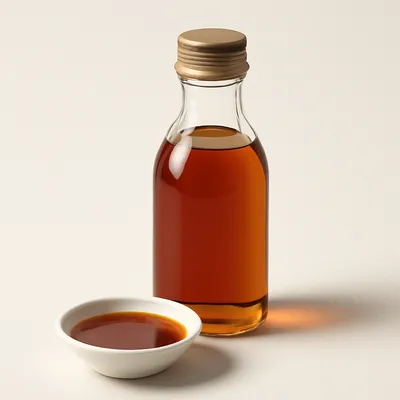


How it's made
9 steps · 30 min active + 20 min waiting
- 15 min
Rinse fresh pork kidneys and peel off the thin outer membrane; lay each kidney flat and slice it horizontally into two thin halves.
- 24 min
Lay each half cut-side up and shave away the pale spongy core in the middle (the white 腰臊) completely, as it holds the urinary odor.
Watch outShave away the pale spongy core completely — that white medulla is where the urinary 'sao' odor lives, and any left behind taints the whole dish.
- 320 min
Slice each half into 2 mm sheets, then stack and cut along the length of the kidney into fine, even slivers; soak the slivers in cold water with a splash of vinegar for 15-20 minutes, changing the water until it runs clear, then drain.
- 48 min
Soak dried wood-ear until soft and cut into fine slivers; peel celtuce and cut into matching slivers; mince garlic and ginger and pile the garlic in a heatproof bowl.
- 51 min
Bring a pot of water to a rolling boil; tip in the drained kidney slivers and stir at once with chopsticks so they stretch and cook evenly, scalding only until they curl and turn white, a few seconds.
Watch outScald the slivers in a rolling boil only a few seconds, just until they curl and whiten — lean kidney turns rubbery the instant it's overcooked.
- 61 min
Lift the slivers out immediately and drain well, keeping them warm; do not rinse cold, as the dish is tossed warm.
- 73 min
In a bowl combine the warm kidney slivers, wood-ear, celtuce, minced ginger, Shaanxi aged vinegar, and salt, and toss.
- 83 min
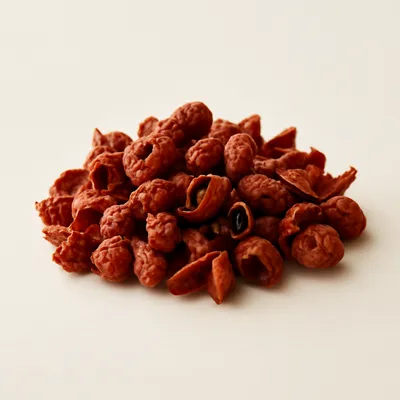
Heat sesame oil in a small pan until about 90% hot, fry the Sichuan peppercorns until darkened and fragrant, then discard the peppercorns and pour the hot oil over the raw minced garlic to release its aroma.
Watch outHeat the sesame oil to about 90%, fry and discard the peppercorns, then pour it over the raw garlic to release the aroma — too cool and the garlic stays raw-harsh.
- 91 min
Stir the garlic oil through the slivers, adjust salt and vinegar, and serve warm.
Archive tool suggestions — not reviewed
These legacy suggestions have not been evidence-reviewed and are not presented as required tools.


