
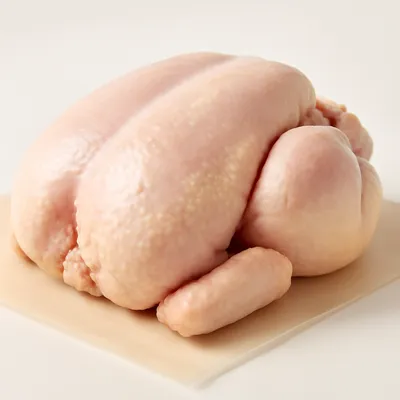
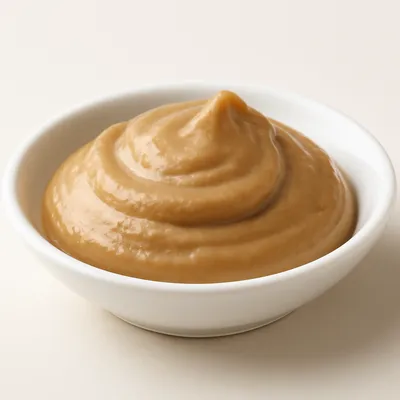
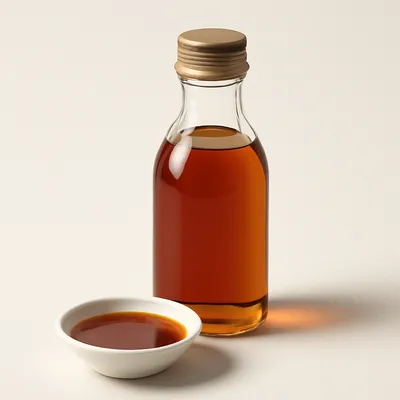
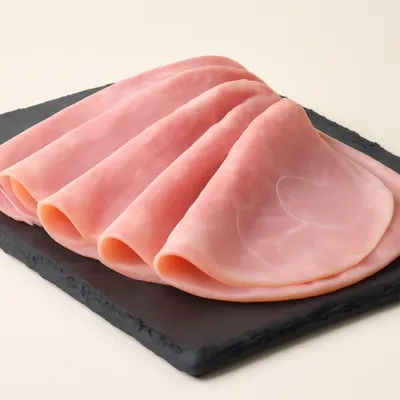
A classic Chang'an (Xi'an) cold appetizer built on knife work, in which three different "skins" are cut into fine, even slivers and dressed together. The trio is salt-cured jellyfish skin, boiled pork skin with the fat scraped off, and cooked chicken skin; each is sliced into threads about 5 cm long and piled into three small mounds on a round plate, often capped with shreds of ham, wood-ear, and a green vegetable. It is dressed cold with a poured "three-flavor" sauce of aged vinegar, white soy, and a little salt, plus sesame paste and Sichuan-peppercorn oil, and is usually sharpened with mustard. The point of the dish is contrast of texture rather than rich flavor: jellyfish snaps, pork skin is springy and gelatinous, chicken skin is soft and supple, all cool and refreshing. It is one of the house cold dishes of the old Xi'an Restaurant (西安饭庄) and a standard test of a Shaanxi cook's cutting.




Three-Skin Slivers belongs to the cold-dish tradition of Chang'an (Xi'an) and is built on three contrasting skins cut into fine slivers; its defining feature is exacting knife work rather than a documented inventor or date. Folklore traces the dish to the Tang and links it to 羊皮花丝 ("sheepskin flower slivers"), a dish listed in the banquet menu of the 烧尾宴 that Wei Juyuan (韦巨源) gave around 708 on his promotion under Emperor Zhongzong, recorded later in Tao Gu's 《清异录》; that menu entry is only a terse note, however, and the connection to today's dish is a later attribution, not something the Tang text states. A separate popular legend names it 剥豹皮 ("flaying the leopards"), said to mock three hated mid-Tang officials nicknamed for leopards, the skins standing in for their colors — also folk lore rather than record. What is better attested is the modern dish: it is one of the signature cold dishes of the Xi'an Restaurant (西安饭庄), the long-running Shaanxi-cuisine house founded in 1929, and had taken its settled form by the early twentieth century. The exact originator is unknown.
Three threads land in the mouth at once and each behaves differently. The jellyfish skin snaps and crunches, cool and glassy; the pork skin is springy and faintly gummy with gelatin, chewy without being tough; the chicken skin is the softest, supple and just slightly slick. Over them sits a bright, mouth-puckering hit of aged vinegar lifted by the nutty weight of sesame paste, the numbing-fragrant warmth of Sichuan-peppercorn oil, and, if mustard is used, a sharp jab that clears up into the nose. The whole plate is cool, clean, and meant to whet the appetite rather than fill. Cut well, the slivers are fine and even and tangle together neatly; cut badly, they are thick and ragged, the jellyfish turns leathery if it was under-soaked, and the pork skin sits heavy and greasy if the fat was not scraped clean.
The dish is an exercise in collagen handled three ways, all served cold. Pork skin is almost pure collagen with a fat layer beneath; boiled long enough, some of that collagen converts to gelatin, so the cooled skin turns springy and lightly gummy rather than hard, and scraping off the underlying fat is essential or the slivers go greasy and heavy. Jellyfish skin is the dehydrated, collagen-rich body wall of the jellyfish, traditionally preserved with salt and alum, which draws out water and tightens the tissue; soaking and repeated rinsing rehydrate it and wash out the salt, and the resulting crunch is the snap of that re-swollen collagen mesh — a brief scald in just-warm (not boiling) water keeps it crisp, while water that is too hot makes it shrink and toughen instantly. Chicken skin is thin connective tissue plus fat that stays soft and supple once cooked. Because none of the three carries strong flavor of its own, the dish leans on the dressing and the cut: even, hair-fine slivers give the sauce maximum surface to cling to and let the three textures read separately in one bite. Dressing cold, after each skin has been cooked and cooled, preserves the contrast — jellyfish crisp, pork skin springy, chicken skin soft. The hot oil is poured over Sichuan peppercorns first to bloom their fragrant, tingling compounds (hydroxy-alpha-sanshool and aromatic oils) and then cooled before tossing, so the slivers are seasoned without being cooked.
Variations
The third skin is the main point of variation. Many recipes and restaurants use ordinary cooked chicken skin (or shredded chicken-leg meat in place of skin), while versions that play up the dish's old leopard-flaying legend call for silkie (black-bone) chicken skin (乌鸡皮) to add a dark color against the pale pork and reddish jellyfish. The sauce also varies: a Sichuan-peppercorn-oil-and-sesame-paste dressing is common, but many cooks make it mustard-forward (芥末三皮丝) for a sharper, nose-clearing heat, and some lean on chili oil and garlic instead. Plating ranges from the three separate mounds capped with ham, wood-ear, and green vegetable to all three simply tossed together. The same cold-sliver idea appears as 拌三丝 across northern China with non-skin ingredients, and a four-skin elaboration is sometimes made by adding tofu skin (豆腐皮) or another skin to the trio.
On the Palate
Where Three-Skin Slivers sits in the Chinese flavor cloud
Ingredients
Serves 4

How it's made
8 steps · 35 min active + 15 min waiting
- 110 min
Soak salt-cured jellyfish skin in cold water for several hours or overnight, changing the water repeatedly to draw out the salt, then rinse well.
- 25 min
Blanch the jellyfish skin very briefly in warm (not boiling) water just until it curls slightly, then plunge it into cold water; drain and slice into fine slivers about 5 cm long.
Watch outBlanch the jellyfish skin very briefly in warm, not boiling, water just until it curls slightly, then shock it cold — boiling water shrinks it hard and rubbery.
- 312 min
Boil the pork skin until soft and gelatinous, cool it, then scrape off every trace of fat from the underside; slice into fine slivers the same length.
Watch outAfter boiling the pork skin soft, scrape off every trace of fat from the underside — leave any and the finished slivers turn greasy and heavy.
- 45 min
Use cooked chicken skin (or boil it until done and cool), then cut it into matching fine slivers, so all three skins are even threads.
- 56 min
Arrange the three kinds of slivers in three small mounds on a round plate and top each with a little shredded ham, wood-ear, and green vegetable.
- 64 min
Warm sesame oil in a wok over low heat, add Sichuan peppercorns and fry just until fragrant, then discard the peppercorns and let the oil cool slightly.
- 72 min
Stir the peppercorn oil together with aged vinegar, white soy sauce, a little salt, and minced ginger into a three-flavor sauce, and add prepared mustard if using.
- 81 min
Pour the sauce between the mounds, drizzle sesame paste over the top, finish with a little more sesame oil, and toss at the table just before eating.
Archive tool suggestions — not reviewed
These legacy suggestions have not been evidence-reviewed and are not presented as required tools.


