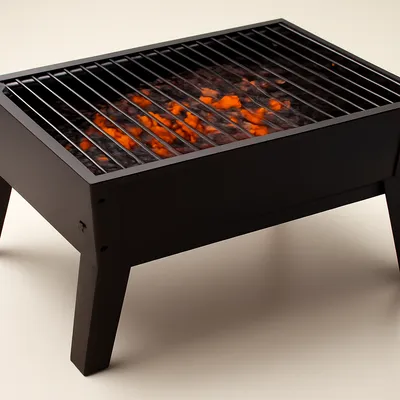
Skewers of meat, vegetables and tofu deep-fried to order, then brushed with chili sauce and dusted with cumin and chili powder. Everything is cut small and threaded on bamboo so it fries fast and crisp, the surface blistered and golden, the inside still juicy. It is street snacking and late-night food, sold by the stick at night markets. Through chains founded around 2019 it became one of China's fastest-spreading snack formats, with brands running into the thousands of stores.
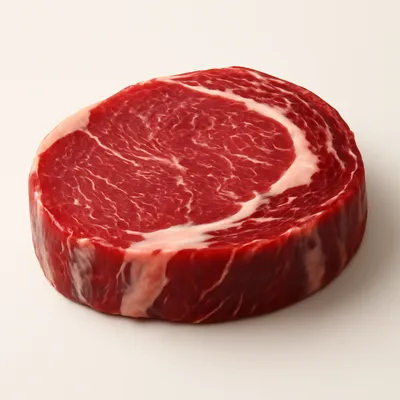



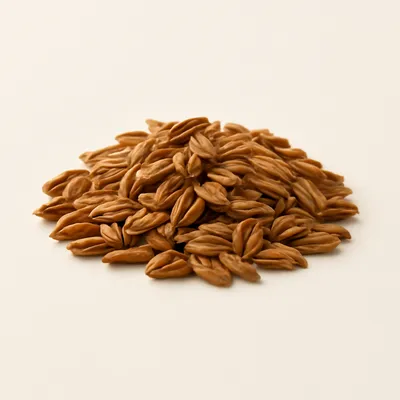
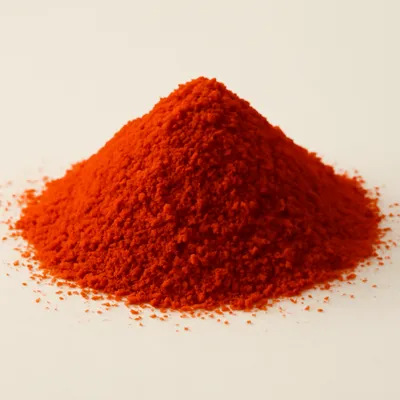
Deep-fried skewers grew out of the street-snack culture of Sichuan and the southwest, where small bites on bamboo sticks — boiled, grilled or fried — have long been night-market staples. The fried version, brushed with sauce and dusted with cumin and chili, spread through Chinese cities as a cheap, fast snack. From around 2019 it turned into a chain business: Xijie Zhachuan opened its first shop that year, and rivals such as Kuafu Zhachuan grew alongside it, each pushing toward several thousand outlets and making fried skewers one of the country's hottest snack categories.
Each stick comes out of the oil shatter-crisp on the outside and hot inside — a square of lotus root, a folded slice of beef, a knot of tofu skin, a sausage, a wing tip. The cook brushes on a glossy red chili sauce, then showers it with cumin and chili powder so the spice clings to the oily surface. The first bite is crackle, then a rush of cumin and chili over the savory crunch. Eat it straight off the stick, standing up, while it is too hot to hold comfortably.
Frying drives the texture through the Maillard reaction and rapid water loss. Hot oil around 170 to 180 degrees Celsius cooks the small pieces through in seconds while browning the surface into a crisp, savory crust; cutting everything small and threading it loosely on bamboo gives the oil all-around contact so the fry is fast and even. Cumin and chili are added only after frying, off the heat — their volatile aromatics would scorch in the oil, so dusting them onto the hot, oily surface lets the fat carry the aroma without burning it. The brushed sauce seasons and glazes; the dry spice provides the punch.
Variations
Skewer choice ranges wide — beef, lamb, sausage, chicken wings, squid, lotus root, potato, tofu skin, enoki bundles, broccoli, quail eggs. Heat is set by how much chili goes on, from mild to numbing-spicy in mala style. Some shops batter the skewers before frying for a thicker crust; others fry them bare. The cumin-and-chili dusting is the through-line, the sauce brush the house signature each chain guards.
On the Palate
Where Deep-Fried Skewers sits in the Chinese flavor cloud
Ingredients
Serves 2


How it's made
7 steps · 20 min active + 5 min waiting
- 110 min
Cut meats and vegetables into small bite-size pieces and thread them loosely onto bamboo skewers.
- 23 min
Mix a brushing sauce from chili bean paste, light soy sauce, sugar and a little water; mix cumin powder with chili powder and toasted sesame for dusting.
- 33 min
Heat oil to about 170 degrees Celsius for deep-frying.
- 44 min
Fry firmer skewers — lotus root, potato, meat — first until cooked through and golden, then drain.
Watch outFry the dense stuff first until golden and cooked to the core — root veg and meat need the time; rush it and the center stays raw.
- 52 min
Fry quick-cooking skewers such as greens and tofu skin briefly until crisp.
- 62 min
For extra crunch, raise the oil to about 190 degrees Celsius and flash-fry the skewers a second time, then drain well.
- 71 min
Brush each hot skewer with the chili sauce and dust generously with the cumin-chili mix before serving.
Watch outDust the cumin-chili on off the heat, onto the hot oily surface — thrown into the oil the spices scorch and go bitter.
Archive tool suggestions — not reviewed
These legacy suggestions have not been evidence-reviewed and are not presented as required tools.