
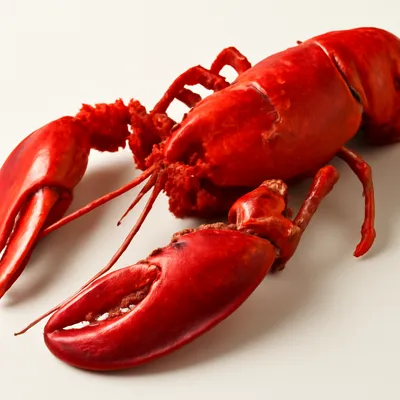
Baked stuffed lobster is a New England shore-dinner centerpiece: a whole lobster split down the back, its body cavity heaped with a buttery cracker-crumb stuffing, then baked until the shell is scarlet and the topping is deep gold. The stuffing is built on crushed crackers — Ritz or the old-fashioned common cracker — bound with melted butter and very often enriched with chopped shrimp, scallops, or crab folded in. It is the dish that anchored white-tablecloth seafood houses and clambake menus for generations, equal parts sweet lobster meat and rich, crisp crumb. More labor than a steamed lobster, it rewards the work with something far more festive.



Baked stuffed lobster is a classic of the New England seafood house with no single documented inventor — it grew out of the region's long habit of baking split lobsters with a seasoned crumb topping, and the recipe is best treated as a regional tradition rather than one cook's creation. Stories crediting an 1839 Portland, Maine oyster house circulate widely but are passed along as rumor, so the precise origin is unrecorded. What is well documented is the modern signature: the Ritz cracker, introduced in 1934, became the standard binder, and by the 1950s the buttery-Ritz stuffing — often padded out with shrimp, scallops, and crabmeat in the 'seafood-stuffed' versions — was the recognizable form served across New England restaurants. It belongs to the same mid-century shore-dinner culture as lobster pie and the clambake.
You crack through a lid of crunchy, butter-soaked golden crumbs into sweet, briny lobster meat that has steamed in its own shell and stayed succulent. The cracker stuffing is rich and savory, scented with butter and a little sherry or lemon, and where seafood is folded in you hit soft bites of shrimp and scallop. The tomalley smears green and intense along the body, drawn butter pools in the shell, and every forkful is a contrast of crisp top and tender, juicy meat.
Splitting the lobster and baking it lets the meat cook in its own shell, which conducts heat gently and shields the flesh from the oven's direct dry heat, so it sets without drying out. Lobster is done when the meat reaches about 60 to 63°C and turns opaque; pushed past that, its proteins squeeze out water and the tail goes rubbery. The shell turns scarlet because heat denatures crustacyanin, the protein that holds the red carotenoid astaxanthin in a blue-grey state while the animal is alive — once the protein unfolds, the freed astaxanthin reverts to bright red. The stuffing protects and seasons the meat as it bakes, while butter in the crumbs browns and crisps the top through the Maillard reaction; brushing the exposed tail with butter both bastes it and helps it color.
Variations
The plainest version is just buttery cracker crumbs in the body cavity; the 'baked stuffed lobster, seafood-stuffed' upgrade folds in shrimp, scallops, and crab, sometimes bound with a splash of sherry. Some cooks use Ritz, others the drier New England common cracker, and a few add saltines; seasonings range from parsley and lemon to Old Bay. A close relative is lobster pie — the same meat and crumb baked in a dish without the shell — and 'lazy lobster' or 'lobster casserole' is the deconstructed, picked-meat version for those unwilling to wrestle the shell.
On the Palate
Where Baked Stuffed Lobster sits in the American flavor cloud
Ingredients
Serves 2How it's made
6 steps · 30 min
- 13 min
Plunge live lobsters into boiling water for just 2 to 3 minutes to par-cook and firm them, then drain and cool enough to handle.
Watch outPar-boil only 2 to 3 minutes — just enough to firm the meat so it splits cleanly; any longer and it's cooked before it ever reaches the oven.
- 28 min
Lay each lobster on its back and split it lengthwise down the body without cutting fully through the back shell; remove the stomach sac, and reserve the green tomalley if using.
- 310 min
Make the stuffing by tossing crushed crackers with plenty of melted butter, chopped parsley, and, if you like, sauteed shrimp and scallops, the tomalley, and a splash of sherry.
- 46 min
Open the lobster like a book, crack the claws, and heap the stuffing into the body cavity and over the split tail meat.
- 53 min
Brush the exposed tail meat with melted butter and set the lobsters in a baking dish with a little water in the bottom.
- 622 min
Bake in a hot oven at about 200°C until the stuffing is deep golden and the tail meat is opaque, roughly 18 to 22 minutes, then serve with lemon and drawn butter.
Watch outPull it when the tail meat turns opaque, about 18 to 22 minutes — past that the proteins squeeze out water and the tail goes rubbery.
Archive tool suggestions — not reviewed
These legacy suggestions have not been evidence-reviewed and are not presented as required tools.


