
A tray-baked minced-meat kebab from Antakya and the wider Hatay province of southern Turkey, also made across the southeast in Gaziantep and Şanlıurfa. Hand-chopped beef (or a beef-lamb mix) is worked with pepper paste, garlic, parsley and pul biber, pressed into an even layer in a round metal tray, scored into wedges, then studded with tomato and long green pepper and roasted in a hot oven. Unlike Adana or Urfa kebab, which are grilled on flat skewers over charcoal, this one is baked flat in its tray, so the rendered fat and tomato juice pool into a sauce rather than dripping into the fire. It is served in wedges with flatbread and a raw onion salad dressed with sumac, and was classically assembled by the butcher and carried to the neighborhood bakery to be baked.





Tepsi kebabı (tepsi means tray) is a defining oven-baked kebab of southeastern Anatolia, most strongly identified with Antakya and the Hatay province, and also long made in Gaziantep and Şanlıurfa. Its origin is not tied to a single inventor or a dated court recipe; it grew out of a practical division of labor in the southeastern towns, where home kitchens lacked the fierce, even heat of a wood-fired oven. The meat was hand-chopped and seasoned by the neighborhood butcher, pressed into the household's own tray, then carried to the local bakery (fırın) to be roasted alongside the day's bread — a communal habit still alive in Antakya. Şanlıurfa's own version, an eggplant-and-lamb tray kebab, was entered in Turkey's geographical-indication register as Şanlıurfa Tepsi Kebabı (registration no. 1171, 19 July 2022, filed by the Şanlıurfa Metropolitan Municipality); the flat tomato-topped Hatay style described here is the regional benchmark but is not itself separately protected.
A round of meat scored into wedges, each section crowned with a soft-roasted tomato wedge and a blistered green pepper. The mince is coarse and loose from hand-chopping, never the dense paste of a machine grind; it tastes of garlic, parsley and the fruity warmth of pepper paste rather than heavy spice. The base browns against the hot tray while the top stews under the tomato, so one side is faintly crisp and the other slick with red sauce. Tear off flatbread, scoop a wedge with its pooled juices, and offset the richness with the sumac onions.
Pressing the mince into one thin, even layer (about a centimetre) is what makes tray baking work: every part of the sheet reaches doneness at the same moment, so nothing dries while the centre catches up. The metal tray conducts the oven's heat straight into the base, browning it through the Maillard reaction, while the tomato and green pepper on top release water as they soften and gently braise the meat beneath them. Because the fat renders into the tray instead of dripping into a fire, it pools with the tomato's juice and the pepper paste into a built-in sauce, so the dish self-bastes. Hand-chopping rather than grinding leaves the meat in irregular fragments that hold their juices and keep a loose bite; a fine machine paste would compact into something dense. Skipping breadcrumbs or egg keeps it a meat dish rather than a köfte, the coarse texture binding on its own.
Variations
In Antakya the mince leans to fatty hand-chopped beef, often from rib cuts, topped only with tomato and long green pepper; a popular home variant (patatesli tepsi kebabı) tucks thin potato slices in along the scored lines to soak up the sauce. Şanlıurfa's registered version is built on eggplant — rings of eggplant alternated with lamb and tail fat — and is served with Urfa oregano. Gaziantep cooks favor garlic and the dark, sun-dried isot pepper for aroma, edging the seasoning toward the local kebab pantry. Where a wood-fired bakery oven is out of reach, it is simply roasted in a home oven, trading charcoal smoke for a deeper roasted-tomato flavor.
On the Palate
Where Tepsi Kebabı sits in the Turkish flavor cloud
Ingredients
Serves 6



How it's made
7 steps · 30 min
- 115 min
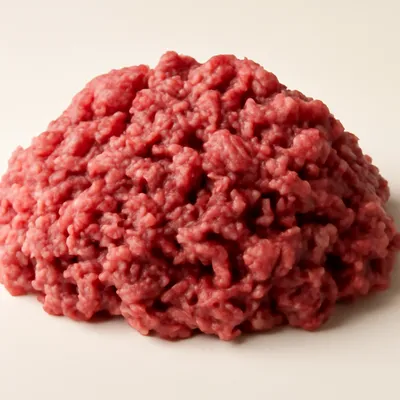
Hand-chop fatty beef (or a 60:40 beef-lamb mix) with a knife into a coarse, sticky mince; avoid a fine machine grind.
Watch outHand-chop to a coarse, sticky mince — a fine machine grind packs dense and bakes into a tough, dry slab.
- 28 min
Knead the mince with grated or very finely chopped onion, minced garlic, chopped parsley, pepper paste, pul biber and salt until it just holds together; no breadcrumbs or egg.
- 35 min
Press the mixture into a round metal tray in an even layer about 1 cm thick, then score it through into 6 wedges.
Watch outPress it to an even one-centimeter layer — thicker or uneven and the edges dry while the middle's still raw.
- 45 min
Slice tomatoes and long green peppers; lay a tomato wedge and a pepper on each scored section, pressing them lightly in.
- 52 min
Whisk tomato paste and a little pepper paste with hot water and spoon it evenly over the top.
- 645 min
Roast in a hot oven at 200°C for about 40-45 minutes, until the base is browned and the juices and tomato have reduced into a sauce.
Watch outIt's ready when the base browns and the tomato-juices reduce to a clinging sauce — that pooled sauce is what keeps the meat moist.
- 75 min
Rest a few minutes, then serve in wedges with warm flatbread and a raw onion salad dressed with sumac.
Archive tool suggestions — not reviewed
These legacy suggestions have not been evidence-reviewed and are not presented as required tools.


