
A chilled Ottoman sweet drink made by infusing water and sugar with fruit, flowers or spices — rose, tamarind, sour cherry, pomegranate, liquorice and more — then serving it cold, often perfumed and faintly spiced. Once the refreshment of the Ottoman court and street alike, it survives today especially as a celebratory and Ramadan drink, and as the rosewater şerbet offered after a birth.




The word şerbet, from the Arabic root for drink, names a whole family of non-alcoholic sweet infusions that flourished across the Islamic world and reached its courtly height under the Ottomans. In the Topkapı palace and the mansions of Istanbul, şerbet was prepared in many flavors and offered to guests as a mark of hospitality, sometimes carried through the streets by vendors with ornate brass dispensers. The European sorbet and sherbet descend from the same tradition. With the spread of tea, coffee and bottled soft drinks the everyday şerbet faded, but it endures at weddings and circumcisions, through Ramadan, and as the rosewater lohusa şerbeti served to a new mother and her visitors.
Clear or jewel-toned depending on the base, served cold and meant to refresh rather than fill. Sweet up front, then lifted by the chosen flavor — floral and perfumed with rose, sharp and dark with tamarind, tart and red with sour cherry. The spiced versions carry warmth from cinnamon, clove or ginger underneath the sweetness. Light-bodied and clean on the palate.
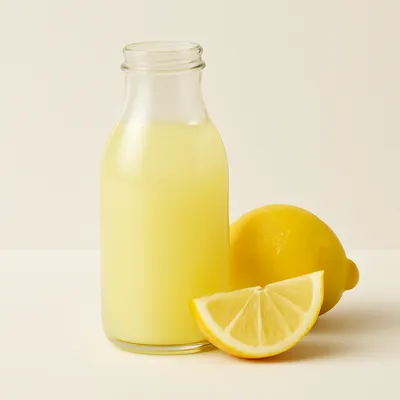
Şerbet is built on dissolving sugar into water and drawing flavor and color from a botanical base. Hard ingredients like dried fruit and spices are simmered to extract their sugars, acids and aromatics, while delicate ones such as rose petals or rosewater are steeped or stirred in off the heat so their perfume is not cooked away. The syrup is strained, balanced between sweet and sour, then diluted and chilled. Acidic bases like tamarind, pomegranate and sour cherry keep it bracing rather than flat, which is why purely sweet versions are usually sharpened with lemon.
Variations
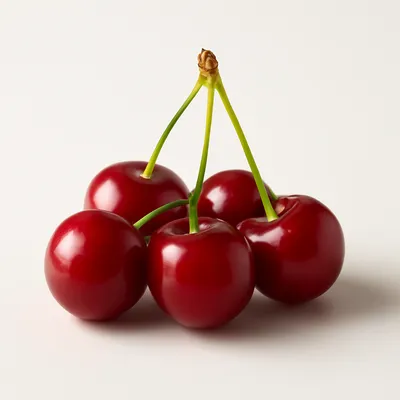
Common flavors include rose (gül), sour cherry (vişne), tamarind (demirhindi), pomegranate (nar), liquorice and grape. Lohusa şerbeti, a red rosewater-and-spice drink, is traditionally served after childbirth. Some old recipes carry many spices at once; modern home versions are simpler. The drink overlaps with hoşaf, a lighter compote-style fruit drink, though şerbet is sweeter and more concentrated.
On the Palate
Where Şerbet sits in the Turkish flavor cloud
Ingredients
Serves 6How it's made
5 steps · 15 min active + 25 min waiting
- 15 min
Choose a base — dried fruit, fresh fruit, spices or petals — and combine with water and sugar.
- 215 min
Simmer the firmer ingredients to draw out their flavor, sugar and color.
- 310 min
Take off the heat and steep in any delicate aromatics such as rosewater or petals so they keep their perfume.
Watch outAdd the rose petals or rosewater only off the heat — simmer those delicate aromatics and their perfume cooks clean away.
- 45 min
Strain the syrup and adjust the balance of sweet and sour, sharpening with lemon if needed.
Watch outBalance sweet against sour before diluting — sharpen a purely sweet base with lemon, or it drinks flat.
- 55 min
Dilute with cold water to drinking strength, chill thoroughly, and serve over ice.
Archive tool suggestions — not reviewed
These legacy suggestions have not been evidence-reviewed and are not presented as required tools.


