
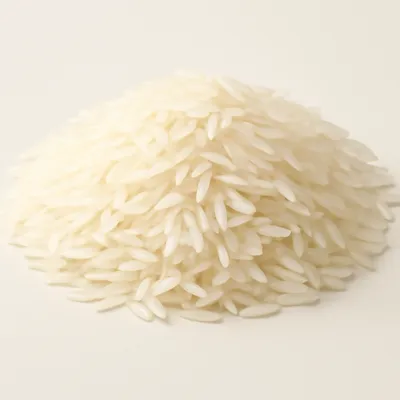
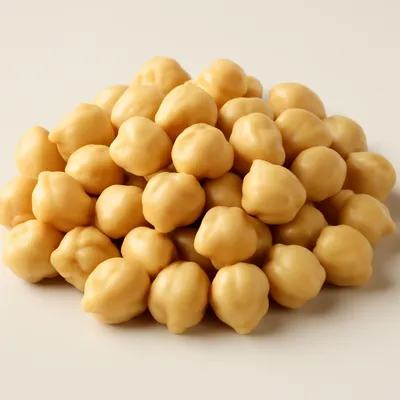



Pilav (Turkish rice pilaf, from the Persian polo) is foundational Anatolian carbohydrate — present at every meal in some form. The chickpea version (nohutlu pilav) is the most iconic of the savory pilavs: rice is sautéed in butter, then steamed in well-salted broth with pre-cooked chickpeas distributed throughout. The chickpea-and-rice combination is also the canonical street food when paired with chicken: tavuklu nohutlu pilav (chicken with chickpea pilaf) is sold from carts in every Turkish city. The technique — sauté rice in fat before adding liquid — is shared with risotto and paella but produces fluffy separate grains rather than creamy. Properly-made Turkish pilav has each grain distinct, glossy with butter, and never sticky.
A spoonful of nohutlu pilav has fluffy distinct rice grains, each gleaming with butter, threaded through with tender chickpeas that pop softly between your teeth. The flavor is gentle — buttery, slightly salty, with the chicken broth giving a subtle savory depth. The chickpeas add textural variety and protein. This is comfort food at its most fundamental: not exciting, not surprising, just deeply right. Eat with grilled lamb on top and you understand why every Turkish meal has a pilav.
Toasting rice in fat (vs adding liquid directly) coats each grain in oil, creating a hydrophobic barrier that prevents grains from sticking together — this is the secret to fluffy non-clumpy pilav. The towel-wrapped lid absorbs excess steam during the final 10-min rest, preventing condensation from dripping back onto the rice and making it mushy. Soaking the rice removes excess surface starch (which would otherwise make the grains stick). The 15-min undisturbed cook is calibrated to the rice-to-liquid ratio (1.6:1 by volume) — lifting the lid disrupts steam pressure.
Variations
Anatolian canonical with chickpeas; Istanbul Marmara variant adds shredded boiled chicken (tavuklu pilav); 'iç pilavı' is the Ottoman-court luxury version with currants, pine nuts, and onion (used as poultry stuffing); Aegean version uses olive oil only (no butter, lighter); Mediterranean coastal version sometimes adds tomato (becomes 'domatesli pilav'); commercial bouillon-based pilav is acceptable but homemade chicken broth makes a difference.
On the Palate
Where Nohutlu Pilav sits in the Turkish flavor cloud
Ingredients
Serves 4How it's made
7 steps · 25 min active + 25 min waiting
- 133 min
Soak 200g basmati or baldo rice (Turkish baldo is the canonical choice but basmati works) in warm water + 1 tsp salt for 30 min. Drain and rinse 2x until water runs clear. Drain thoroughly.
Watch outRinse the rice until the water runs clear — that milky starch is what glues the grains together, so wash it all off for fluffy pilav.
- 265 min
Pre-cook chickpeas (or use canned): if dried, soak 150g chickpeas overnight; cook in 1L water for 60 min until tender. If canned, drain and rinse 1 can (240g drained weight).
- 37 min
In a heavy pot with a tight-fitting lid (this is essential for pilav), melt 50g butter + 2 tbsp olive oil over medium heat. Add the drained rice; stir gently to coat each grain with fat; toast 3-4 min until rice becomes opaque-white and fragrant.
Watch outToast the rice in the fat until each grain turns opaque-white and smells nutty — that oil coat is what keeps the grains from clumping.
- 43 min
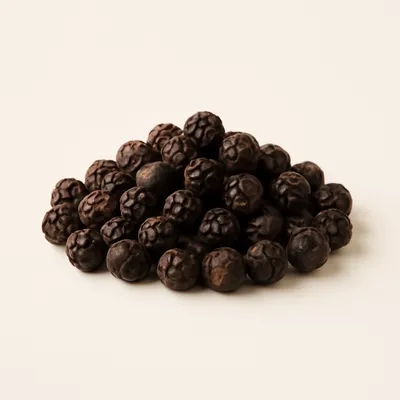
Add the chickpeas; stir 1 min to coat. Add 320ml hot chicken broth (or vegetable broth) + 1 tsp salt + 1/4 tsp black pepper. Stir once. Bring to a boil.
- 516 min
Reduce heat to lowest; cover the pot with the lid wrapped in a clean kitchen towel (the towel absorbs excess steam). Cook 15 min undisturbed. DO NOT lift the lid during cooking.
Watch outOnce the lid's on, don't lift it for the full 15 minutes — every peek lets the steam pressure drop and the rice cooks unevenly.
- 611 min
Off heat; let stand covered (still with the towel) 10 min more. The rice should be fluffy with all liquid absorbed; chickpeas should be tender and warm throughout.
- 72 min
Fluff gently with a fork (not a spoon — spoon mashes grains). Transfer to a warm platter. Serve immediately as a side to grilled meat, kebabs, or roast chicken. Or top with shredded chicken (tavuklu) for a complete meal.
Watch outFluff with a fork, never a spoon — a spoon crushes the tender grains into a sticky mash.
Archive tool suggestions — not reviewed
These legacy suggestions have not been evidence-reviewed and are not presented as required tools.


