


Haydari is the thicker, more concentrated cousin of cacık — where cacık is thinned with water and made drinkable, haydari is strained to labneh consistency and served as a dense dip. The name is said to derive from the Arabic haydar ('lion'), with roots in the Hatay region; the dish is fundamental to Turkish meze culture: every meyhane (tavern) and lokanta meze platter includes haydari alongside ezme, patlıcan salatası, and other small cold dishes. Aegean-style haydari often adds chopped walnuts for texture (a Marmara-Bursa influence); Istanbul restaurant versions use walnut oil; Anatolian home versions sometimes substitute fresh basil or oregano for the dill. The dish is famously what you eat to cool the palate between bites of grilled meat and to soak up rakı.
A scoop of haydari on warm pita is dense, cool, mineral-fresh from the strained yogurt, garlic-sharp, mint-perfumed, with surprise crunch from walnuts. The red oil drizzle on top adds an aromatic-paprika lift. After 5 minutes alongside a hot grilled lamb skewer, haydari has done its work — your palate is clean, your appetite renewed, you reach for another piece of meat. The dish is functional in the meze ecosystem and quietly delicious on its own.
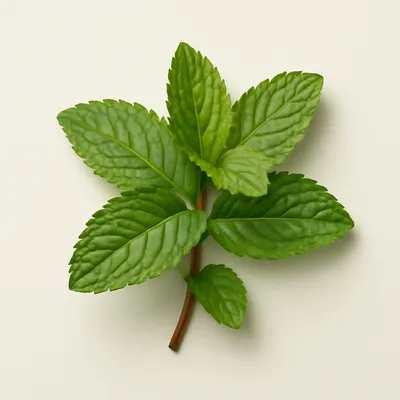
Straining yogurt removes ~40% of its water by weight, concentrating proteins (especially casein), fats, and flavor compounds. The strained product has 2x the density and 2x the umami of plain yogurt. Dried mint contains menthol and pulegone — different terpene profile than fresh mint, more aromatic and cooling. Toasting walnuts develops their flavor through Maillard reactions; raw walnuts taste flat in this dish. The chili oil drizzle creates visual interest and adds a spice note that contrasts the cooling yogurt.
Variations
Aegean canonical with walnuts + dill + mint; Marmara Istanbul version uses walnut oil and no fresh dill; Antalya south-coast variant adds chopped roasted red pepper; modern restaurant 'haydari with smoked eggplant' folds in patlıcan salatası (becomes a different dish); commercial pre-strained yogurt or labneh works as a shortcut but the flavor isn't as concentrated; if your yogurt is already very thick (skyr or full-fat Greek), you can skip the straining step but the texture will be slightly different.
On the Palate
Where Haydari sits in the Turkish flavor cloud
Ingredients
Serves 4

How it's made
6 steps · 10 min active + 10 min waiting
- 1245 min
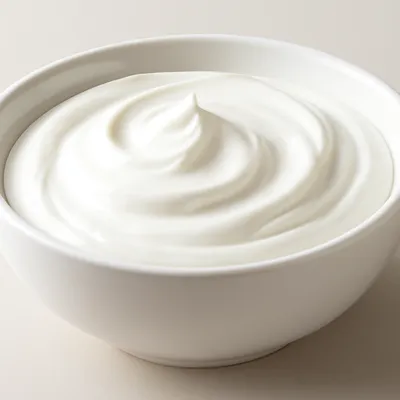
Strain 600g full-fat plain yogurt: line a fine-mesh sieve with cheesecloth (or a clean kitchen towel); place over a bowl. Pour yogurt in; cover; refrigerate 4 hours minimum (overnight is better — drains to dense labneh consistency). Discard the whey.
Watch outStrain the yogurt until it's thick enough to hold a spoon-mark — dense like soft cheese, not pourable; watery labneh makes a loose, weepy haydari.
- 25 min
Toast 1/3 cup walnuts in a dry pan over medium heat, 4 min until fragrant. Cool; chop coarsely (leave some texture, don't make a powder).
Watch outToast the walnuts just till fragrant and lightly colored — pull them at the first nutty smell; a shade past and they turn bitter.
- 32 min
Crush 2 garlic cloves with 1/2 tsp salt in a mortar to a paste (or grate on a microplane).
- 45 min
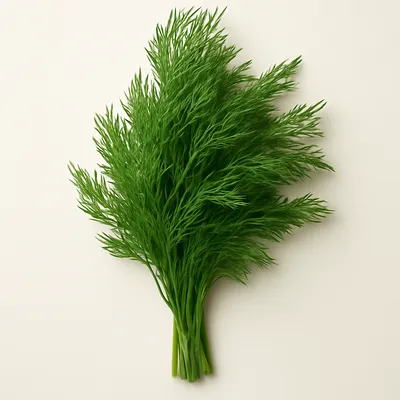
In a wide bowl, combine the strained yogurt + garlic paste + 1 tsp dried mint + 1 tbsp chopped fresh dill + 1 tbsp olive oil + 1/4 tsp black pepper + the toasted walnuts (reserve a few for garnish). Mix gently — should be uniformly mixed but you don't want to break the walnuts into smaller pieces.
Watch outFold gently just to combine — you want the walnuts to stay in chunks for crunch, not get mashed into the yogurt.
- 53 min
Transfer to a wide shallow bowl. Use the back of a spoon to make a slight crater on top. Drizzle with 1 tbsp olive oil + a pinch of paprika or aleppo pepper (creates a red-orange swirl on the white yogurt — the visual signature of haydari). Scatter reserved walnuts on top.
- 60 min
Serve with warm pita bread or crusty bread, alongside other meze, or as a side to grilled meats. Keeps in refrigerator 3 days.
Archive tool suggestions — not reviewed
These legacy suggestions have not been evidence-reviewed and are not presented as required tools.