
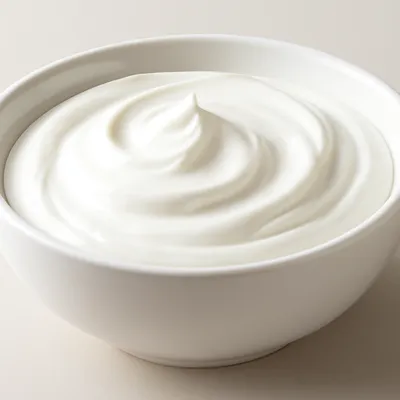
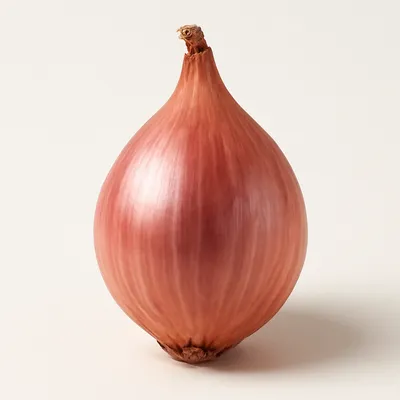
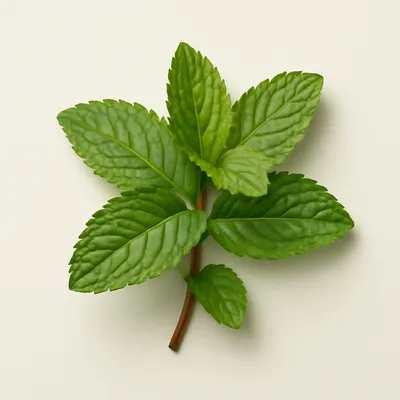



Musir is the wild Persian shallot, harvested from the Zagros mountains around Shiraz. The dried bulbs are rehydrated, finely chopped, and folded into strained Greek-style yogurt with salt and mint. The result is a savory, slightly oniony dip that accompanies every Shirazi kebab plate and is also used as a side at room temperature. It's the unsung hero of southern Iranian dining.
Strained yogurt mixed with rehydrated, finely grated dried Persian shallot — pale, creamy, mildly oniony. Served as side dish or dip with bread. The Shirazi version is silkier; Tabrizi versions chunkier.
Persian shallot (musir) is dried and powdered to convert its sulfur compounds into milder thiopropionaldehyde — fresh shallot would burn through the yogurt. Strained Persian yogurt has the same fat content as Greek but a finer protein structure.
Variations
Shirazi mast-o musir uses musir powder; Tehrani version uses fresh shallot; Caspian version uses garlic instead — three Iranian dips.
On the Palate
Where Mast-o Musir sits in the Persian flavor cloud
Ingredients
How it's made
5 steps · 30 min
- 11 min
Soak 30g dried Persian shallot (musir) — or substitute 4 small fresh shallots — in cold water 30 minutes; drain, finely chop.
Watch outSoak and drain the dried shallot before chopping — that mellows its bite so it seasons the yogurt instead of scorching it.
- 26 min
Strain 500g Greek yogurt through cheesecloth 30 min until thick (or use labneh).
Watch outStrain the yogurt until it's thick enough to mound on a spoon — watery yogurt makes a loose dip that won't cling.
- 31 min
Fold the chopped shallot into the yogurt with 1 tsp salt, 1 tbsp dried mint, ½ tsp pepper.
- 423 min
Refrigerate at least 2 hours for flavors to meld.
Watch outGive it at least 2 hours cold to meld — straight after mixing the shallot tastes raw and sharp; the rest is what marries it.
- 51 min
Serve cold in a shallow bowl, drizzled with olive oil and a sprinkle of fresh mint or dried rose petals. Eat with kebab, raw vegetables, or lavash.


