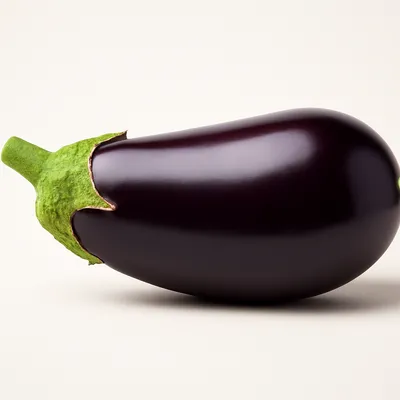


An ancient peasant assembly from the Iranian plateau — kashk itself dates back at least 2,500 years to nomadic dairying, when surplus yogurt was salted, dried into rocks, and reconstituted as needed (a portable protein for shepherds). Eggplant originated in India and was cultivated in Persia by the early Islamic era; from there Arab agriculturists carried it westward to the Mediterranean in the 9th–10th centuries. The combination is documented in medieval Persian cookbooks; it was peasant food long before it was restaurant appetizer.
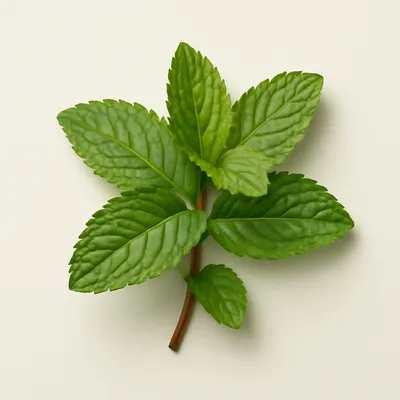
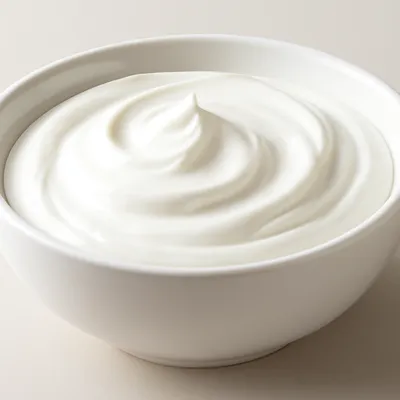
Eggplant-and-whey dip — eggplants fried (not roasted) until collapse, mashed with garlic, mint, turmeric, then swirled with kashk (Iranian whey, sour and salty). Crispy fried mint-onion garnish goes on at the table. Kashk is the load-bearing ingredient; yogurt is not a substitute, although Tehran restaurants try.
Mashed roasted eggplant the color of milk tea, smoothed flat in a shallow bowl. White ribbons of kashk (drained fermented whey) get drizzled across the top, then a slick of caramelized onion oil and a scatter of dried mint fried in butter. Eaten warm with torn flatbread; the contrast you want is creamy eggplant against the salt-sour bite of kashk.
The eggplant must be salted and pressed for at least an hour before roasting — this drains bitter solanine water and collapses the air pockets so the flesh fries instead of steams. Skip the salt step and the dip turns watery and pale. Kashk goes in off-heat at the very end; high heat makes it grainy and breaks the texture.
Variations
Tehran version (smoother, less garlic, often with yogurt swap); Isfahan version (more kashk, more fried mint); Tabriz version uses chunkier eggplant; vegan version subs cashew cream for kashk; mast-o-bademjan is the yogurt-based cousin.
On the Palate
Where Kashk-e Bademjan sits in the Persian flavor cloud
Salt and press the eggplant before frying so it sheds its bitter water and collapses — dry flesh fries golden and silky, while skipped salt leaves the dip watery and pale.
Ingredients




How it's made
5 steps · 30 min active + 15 min waiting
- 10 min
Slice the eggplants lengthwise and sprinkle with salt. Let them sit for 15 minutes to draw out moisture and reduce bitterness.
Watch outAfter 15 minutes you'll see beads of moisture sweating out on the salted slices — that's the bitter water leaving.
- 210 min
Rinse the eggplants and pat dry. Heat oil in a pan over medium heat and fry the eggplants until golden and soft, about 5 minutes per side.
Watch outFry until the slices are golden and slump-soft to the touch, not springy — that softness is what lets them mash.
- 310 min
In the same pan, add finely chopped onions and garlic, sautéing until golden and fragrant. Incorporate ground walnuts and mint, stirring to combine.
Watch outAvoid burning the garlic, as it can turn bitter.
- 45 min
Add the fried eggplants back to the pan and mash gently with a fork. Stir in the kashk, ensuring everything is well-mixed and heated through.
Watch outStir the kashk in off the heat until just warmed through — if it looks grainy, the pan was too hot.
- 55 min
Serve warm, garnished with additional mint and walnuts if desired.
Archive tool suggestions — not reviewed
These legacy suggestions have not been evidence-reviewed and are not presented as required tools.