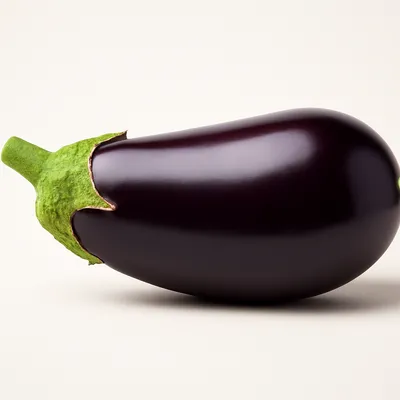
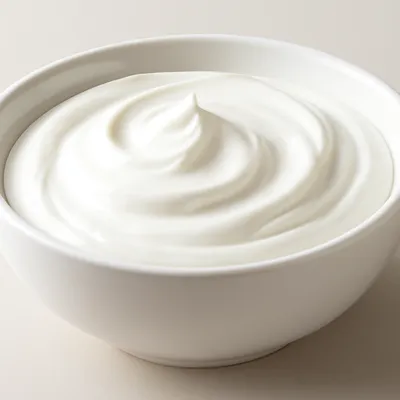
Borani Bademjan is a Persian eggplant side in the borani family — vegetables folded through thick, garlicky strained yogurt and served cool. Eggplant is fried or roasted until meltingly soft, then chopped or mashed and stirred into yogurt seasoned with garlic, salt and often a little mint. Unlike kashk-e bademjan, which is built on tart fermented whey and served warm, borani is a fresh, cold yogurt dish eaten as a mezze-style side scooped up with bread. It is creamy, tangy and garlicky, a cooling counterpoint to a spread of hot dishes.



Borani is a family of Persian yogurt-based vegetable dishes; a widely repeated tradition links the name to Pourandokht, a 7th-century Sasanian queen also called Boran, said to have favored such dishes, though this etymology is folkloric and not firmly documented. The eggplant version sits within this broader borani group alongside spinach, beet and other vegetables prepared the same way. It is everyday and festive home cooking across Iran rather than the property of one region. The precise origin of the dish is not documented.
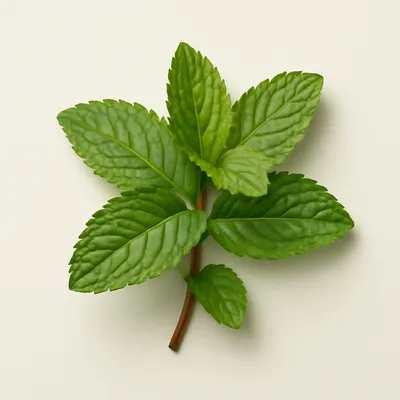
Cool and creamy from thick strained yogurt, sharp with raw garlic, and rich with soft, almost silky eggplant that has been cooked down until it melts into the yogurt. The flavor is tangy and savory, the eggplant smoky if it was charred first, with dried mint adding a faint herbal lift. Smooth and spoonable, it is meant to be scooped onto warm flatbread, a fresh and acidic dish that refreshes the palate between richer bites.
Straining the yogurt to thicken it is what gives borani its body — thin yogurt would weep and turn watery once mixed with the eggplant. The eggplant must be cooked all the way to softness, by frying or roasting, so it mashes smoothly and loses any bitterness; salting and resting it first draws out moisture and helps it brown rather than steam. The garlic is used raw and grated fine so it disperses evenly, and the dish is best made ahead and chilled so the flavors meld. Dried mint is often bloomed briefly in oil before being stirred in, which deepens its aroma.
Variations
The same borani treatment is given to spinach, beet, or cooked greens in place of eggplant. Some cooks top the eggplant version with fried onion, a drizzle of saffron-tinted oil, crushed walnuts, or a swirl of more yogurt; a sprinkle of dried mint and a few drops of olive oil is the simplest finish. Where a smokier flavor is wanted, the eggplant is charred over a flame before being mixed in.
On the Palate
Where Borani Bademjan sits in the Persian flavor cloud
Ingredients
Serves 4How it's made
8 steps · 15 min
- 130 min
Strain the yogurt through cloth for about half an hour to thicken it.
Watch outStrain the yogurt until it's thick enough to hold on a spoon — thin yogurt weeps and turns the whole borani watery once the eggplant goes in.
- 215 min
Peel and slice the eggplant, salt it, and let it rest to draw out moisture.
- 318 min
Pat the eggplant dry and fry or roast it until very soft and golden.
Watch outFry or roast the eggplant all the way to collapsing-soft and golden — fully soft, it mashes smooth and its bitterness is gone; underdone it stays firm and bitter.
- 45 min
Chop or mash the cooked eggplant and let it cool.
- 53 min
Grate the garlic finely and stir it into the strained yogurt with salt.
- 62 min
Fold the cooled eggplant through the garlicky yogurt.
- 72 min
Bloom the dried mint briefly in a little oil and stir most of it in.
- 83 min
Chill the borani, then serve cold drizzled with oil and the remaining mint, with flatbread.
Archive tool suggestions — not reviewed
These legacy suggestions have not been evidence-reviewed and are not presented as required tools.