

The traditional dish of Nowruz, the Persian New Year on the spring equinox (around March 21), where the dominant green color stands for rebirth and the eggs for fertility — the Nowruz table requires the dish on the first night. The format (eggs as a binder for vegetables) appears in Persian cookbooks from the Safavid era (16th century), though Zoroastrian spring-renewal feasting predates it by over two thousand years.
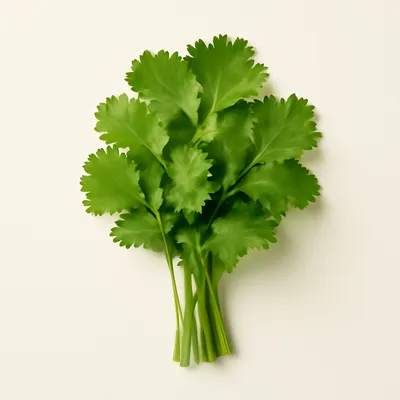
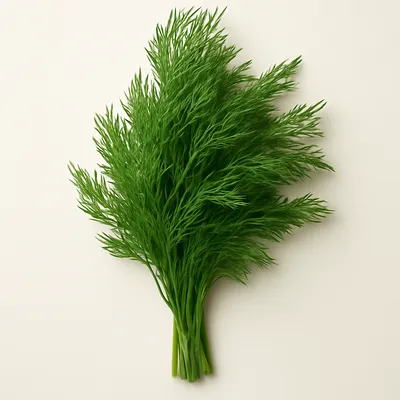
Persian green herb frittata — parsley, cilantro, dill, chives, fenugreek, with a touch of walnut and barberries, bound by very few eggs (3-4 for a 10-inch pan). Served at Nowruz on the haft-sin table — green for rebirth. The herbs should outweigh the eggs by 4:1; otherwise it's just an omelet.
A dense, dark-green wedge — almost more herb than egg. Parsley, cilantro, dill, chives, fenugreek leaves chopped fine and bound with just enough beaten egg to hold. Pan-fried until the outside is deep brown-crisp and the inside stays moist. Eaten warm or cold with flatbread, yogurt, and walnuts. Color should be forest, not olive — gray-green means the herbs were over-fried.
Ratio is everything: roughly four parts chopped herb to one part egg by volume, plus a pinch of baking powder and a teaspoon of flour to keep the loose mass cohering. Cook covered on low heat for 15 minutes per side — uncovered, the top stays raw while the bottom blackens. Some cooks add walnuts and barberries; both are regional, neither is wrong.
Variations
Tehran-style flat in a pan and flipped; Tabriz-style baked in oven, thicker; Gilan version adds local herbs like khalvash; kuku sib zamini is the potato cousin; kuku bademjan is eggplant.
On the Palate
Where Kuku Sabzi sits in the Persian flavor cloud
Ingredients
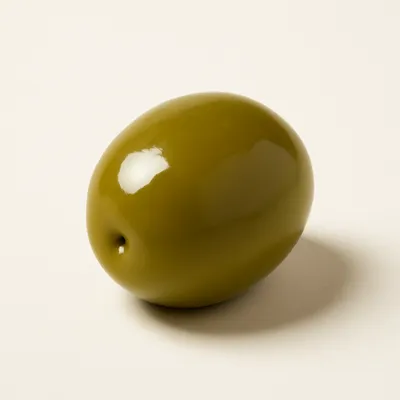
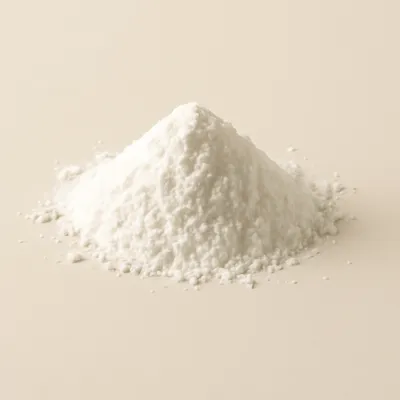


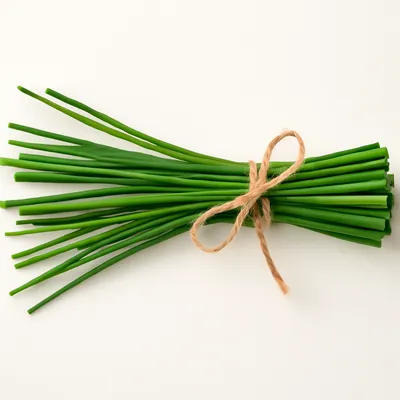
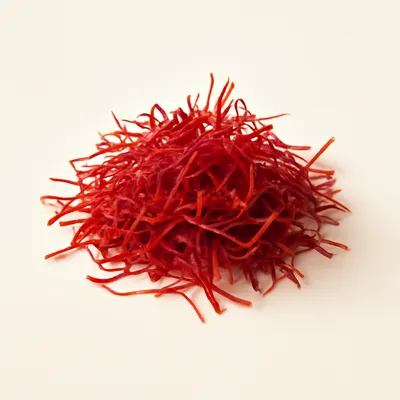
How it's made
4 steps · 40 min
- 110 min
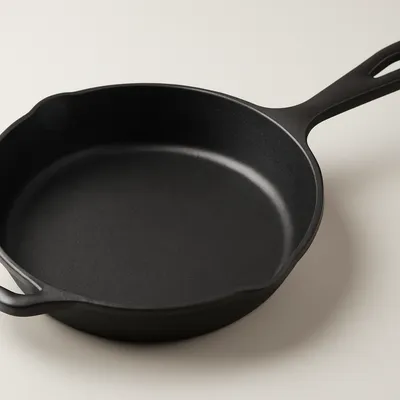
Preheat the oven to 350°F (175°C). Chop parsley, cilantro, dill, and other herbs finely. Combine with beaten eggs in a large bowl, mixing well until the herbs are evenly distributed.
- 25 min
Heat a non-stick skillet over medium heat with a drizzle of oil. Add chopped onions and sauté until soft and translucent. Stir in turmeric until fragrant.
Watch outSweat the onions until soft and translucent, then stir in the turmeric just until it smells fragrant and coats them gold — a few seconds too long and turmeric turns bitter.
- 35 min
Pour the herb and egg mixture into the skillet, spreading it evenly. Cook for a few minutes until the edges start to set.
Watch outSpread the mixture flat and wait until the edges look set and pull slightly from the pan — that's your cue it's ready to go into the oven.
- 420 min
Transfer the skillet to the preheated oven and bake until the kuku is firm and cooked through, with a golden top.
Watch outIt's done when the center no longer wobbles and the top is golden and dry to the touch; a knife slid in comes out clean, not wet.
Archive tool suggestions — not reviewed
These legacy suggestions have not been evidence-reviewed and are not presented as required tools.