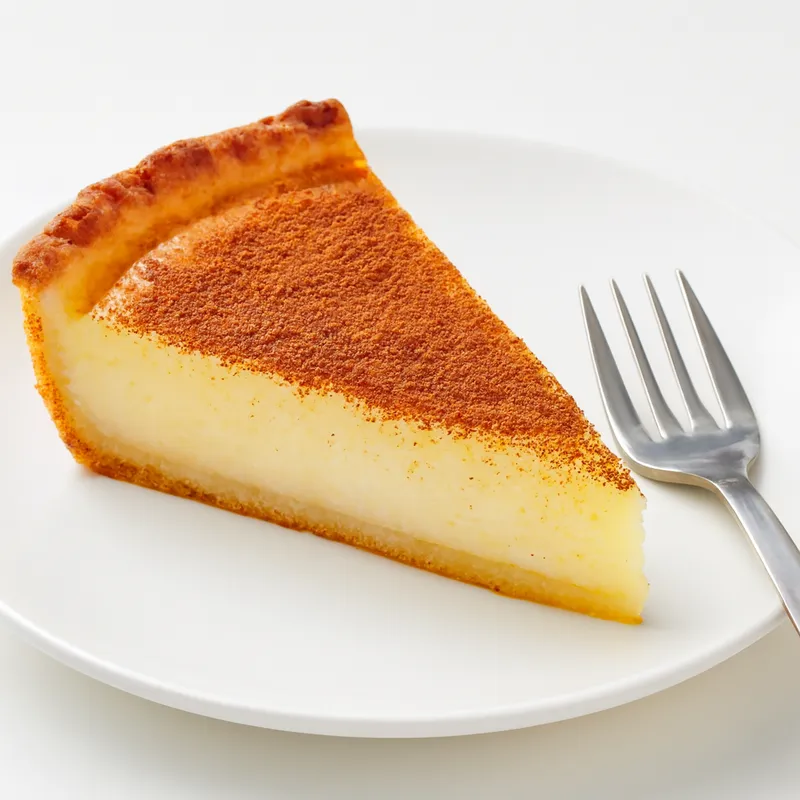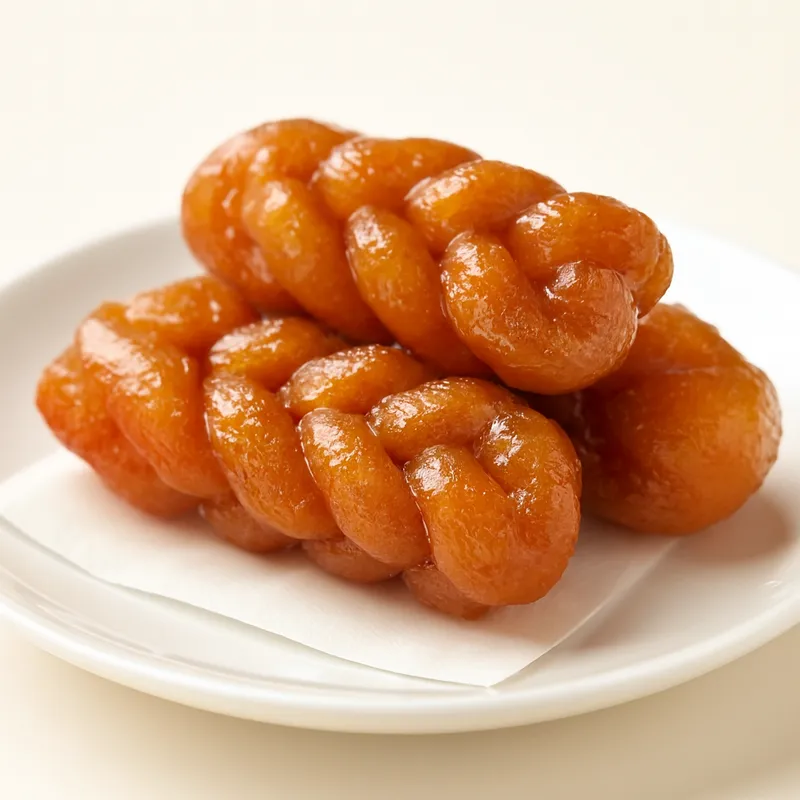


South Africa, Cape Dutch tradition. The pudding is thought to be of Dutch or Cape Dutch origin, likely based on a similar pudding brought to the Cape by Dutch colonists in the mid-1600s (baking was not part of the indigenous diet). It is believed to have been made in homes for generations before reaching cookbooks and restaurants, with South African recipes dating to the 1970s and the dish appearing on the Boschendal Wine Estate menu in the late 1970s–1980s. The name «malva» is disputed and all theories are anecdotal: it may derive from Malvasia (malmsey) wine once served with or used in the sauce; from the Afrikaans «malvalekker» (marshmallow), after the pudding's texture; from «malva», the Afrikaans word for geranium, the batter once being scented with rose-scented pelargonium leaves; or from a woman said to be named Malva.
Cape Dutch, 18th–19th century. Named after Pelargonium (called malva by the Dutch) whose leaf once scented it. Vinegar plus bicarb is the leavening — there is no baking powder in the original.
A sponge baked from apricot jam, vinegar, and bicarbonate of soda — when it comes out of the oven a hot cream-and-butter sauce is poured over the top until the cake drinks it in. Soft, sticky, dense, almost wet at the bottom. Served warm with custard or vanilla ice cream that melts into the sauce on the plate.
The vinegar plus bicarb is the lift — there's no baking powder. The acid-base reaction creates fine bubbles that, with the apricot jam's sugar, give the sponge its tight, almost toffee-textured crumb. The hot sauce poured over hot cake is essential: the cake has to be steaming so it absorbs the cream evenly. Pour it cold and the sauce sits on top instead of soaking through.
Variations
Restaurant versions add ginger or amarula to the sauce; Stellenbosch wineries serve a brandy-soaked variant (some cooks also add brandy or sherry to the sauce); some Cape farmsteads still scent the batter with geranium leaf. A closely related older recipe, considered a forerunner, was known as «telefoonpoeding» (telephone pudding) — said to be named because farmers' wives would read the recipe to each other over the phone.
On the Palate
Where Malva Pudding sits in the South African flavor cloud
Ingredients





How it's made
4 steps · 45 min
- 15 min
Preheat your oven to 350°F (175°C). In a mixing bowl, cream sugar and egg until pale and fluffy. Stir in apricot jam until well combined.
- 25 min
Sift flour into the mixture, alternating with milk, and fold gently to maintain a light texture. Add balsamic vinegar to balance the sweetness.
- 330 min
Pour the batter into a greased baking dish and bake until the pudding is golden brown and spongy, about 25-30 minutes.
Watch outThe pudding should be golden and spring back when lightly pressed in the center.
- 45 min
While the pudding bakes, heat cream gently on the stove until warm, then pour it over the hot pudding as soon as it comes out of the oven, allowing it to soak in.
Archive tool suggestions — not reviewed
These legacy suggestions have not been evidence-reviewed and are not presented as required tools.