Cooked spinach wilted down with golden fried onion and garlic, then folded cold into thick strained yogurt — a member of the Persian borani family of yogurt-and-vegetable sides. It sits somewhere between a dip and a salad: pale green, creamy, lightly tart, eaten chilled with flatbread or spooned beside rice and grilled meat to cool the palate. A scatter of walnuts and a drizzle of saffron or fried mint often crown it. Quick to make, it keeps well and tastes better after a few hours in the fridge.





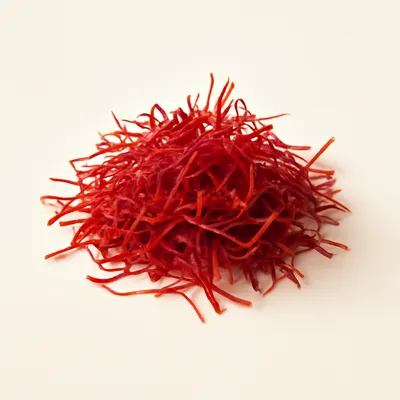
Borani names a whole class of Iranian dishes in which a cooked vegetable is dressed with yogurt, and the spinach version is among the most common. Food historians trace the name to Buran, a noblewoman of the early Islamic centuries — popularly the wife of the caliph al-Ma'mun — whose fondness for such dishes is said to have lent them her name. The form is documented across centuries of Persian court cookery: a whole chapter on borani appears in the Safavid-era manual Maddat al-hayat, written by Nurollah, cook to Shah Abbas I, where some recipes swap whey for yogurt or fold in egg.
Cool and creamy, with the soft, slightly mineral pull of cooked spinach running through tangy yogurt. The fried onion brings a sweet, mellow depth and the garlic a gentle warmth that has lost its raw edge. Walnuts, if added, give an oily crunch and a whisper of bitterness; a thread of saffron or a sprinkle of dried mint lifts the whole spoonful. It is gentle, refreshing, and meant to soothe rather than assert.
Straining the yogurt first drives off excess water so it stays thick and clings instead of weeping once the spinach goes in. The spinach is cooked down and its moisture squeezed out for the same reason — a watery green would thin the whole dish. Frying the onion and garlic before they meet the yogurt tames their raw bite and folds in a sweet, caramelized base, and chilling lets the flavors marry and the acidity round out.
Variations
Some cooks keep it plain spinach and yogurt; others build it richer with walnuts, a saffron drizzle, or fried dried mint poured over as a final flourish. A close cousin, borani-e bademjan, swaps in fried eggplant, and other boranis use beetroot, mushroom or cooked greens on the same yogurt base. Garlic can be raw and sharp or fried and mellow depending on the household.
On the Palate
Where Mast-o-Esfenaj sits in the Persian flavor cloud
Ingredients
Serves 4
How it's made
7 steps · 25 min
- 130 min
Strain plain yogurt in a cloth-lined sieve for about half an hour until it thickens.
Watch outStrain until the yogurt sits thick enough to hold a spoon-track — weepy yogurt will thin the whole dish once the spinach goes in.
- 28 min
Wash and chop the spinach, then wilt it in a dry or lightly oiled pan until soft and reduced.
- 35 min
Squeeze or press out the excess liquid from the cooked spinach and let it cool.
Watch outCook the spinach right down and then squeeze it truly dry — any trapped water will weep out later and slacken the yogurt.
- 46 min
Fry the chopped onion in oil until golden, add the garlic, and cook briefly until fragrant.
- 53 min
Combine the cooled spinach, fried onion and garlic, and season with salt and pepper.
- 63 min
Fold the strained yogurt into the spinach mixture until evenly pale green.
Watch outFold gently just until the color turns an even pale green — overworking loosens the strained yogurt and beats out its body.
- 760 min
Chill for at least an hour, then top with walnuts, a saffron drizzle or fried mint before serving.
Archive tool suggestions — not reviewed
These legacy suggestions have not been evidence-reviewed and are not presented as required tools.