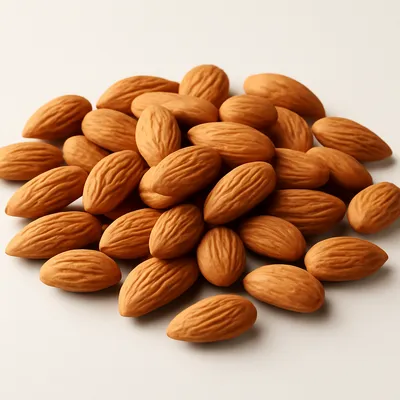
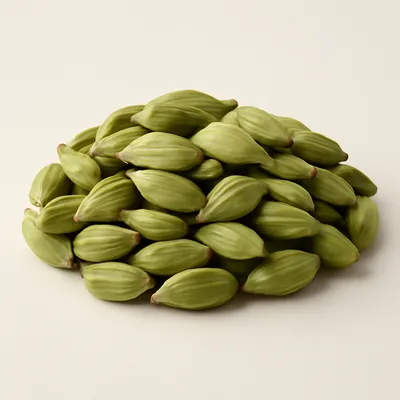
Ghotab (also spelled Qottab) is a crescent-shaped Persian pastry with a crisp, fried shell wrapped around a fragrant filling of ground almonds and walnuts sweetened and perfumed with cardamom. The enriched dough is rolled thin, cut into rounds, stuffed, folded into a half-moon and sealed, then deep-fried to a pale gold and rolled generously in powdered sugar while still warm. Most closely identified with the desert city of Yazd, it is a classic celebration sweet and gift box staple, especially at Nowruz. The contrast of a brittle, sugar-dusted crust against a soft, aromatic nut paste defines it.




Ghotab is most strongly associated with Yazd, the arid central Iranian city famed for its confectionery tradition, though a related version is also made in Kerman. Surviving evidence dates the sweet in its present form to the late nineteenth century. It is generally held to have evolved from sanbusag, an older savory filled-and-fried pastry of the medieval Persian and Gulf world that is also the shared ancestor of the South Asian samosa and Ethiopian sambusa; over time the savory stuffing gave way to ground nuts, sugar and cardamom. The name is popularly explained as referring to the way the dough is folded and sealed shut. Yazd remains the canonical source, and boxes of ghotab are a defining local souvenir.
The shell shatters thin and crisp at first bite, then gives way to a dense, slightly oily nut paste that is sweet, floral and warm with cardamom. The powdered-sugar coat dissolves on the lips and tempers the richness underneath. Almond brings a soft, milky sweetness while walnut adds a faint bitterness and grip, so the filling never reads as flat sugar.
Egg yolk and oil (or yogurt) shorten the dough, coating flour proteins with fat so gluten stays limited and the fried shell turns tender and flaky rather than tough. Rolling thin keeps the crust delicate and lets it crisp quickly. Deep-frying at a moderate temperature drives off surface moisture and sets the dough before it can absorb much oil; pulling the pastries while pale, not browned, keeps the nut filling from scorching and the shell from turning hard. Cardamom and the nut oils are fat-soluble, so they bloom in the warm filling; coating the pastries in powdered sugar while still hot lets the residual surface oil grab the sugar so it clings in a thick, even layer.
Variations
Almonds, walnuts and pistachios are used singly or in combination, with Yazd versions leaning on almond and many home cooks favoring walnut. The filling is often scented further with rose water or a thread of saffron, and the dough sometimes carries a little milk or a pinch of cardamom of its own. Beyond Yazd, Kerman makes its own style, and some bakeries finish the pastry baked rather than fried for a lighter result.
On the Palate
Where Ghotab sits in the Persian flavor cloud
Ingredients
Serves 8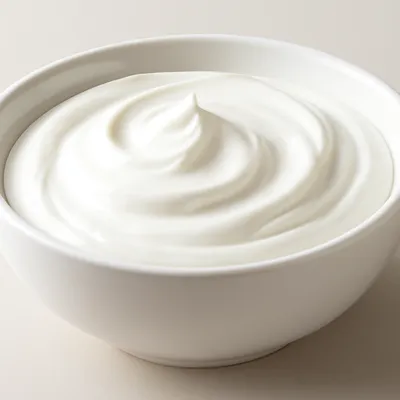


How it's made
8 steps · 1 hour active + 30 min waiting
- 110 min
Grind almonds and walnuts to a coarse meal and mix with sugar and ground cardamom to make the filling.
- 215 min
Make the dough by combining flour with egg yolk, oil or yogurt and a little milk; knead briefly to a smooth, soft dough and let it rest.
Watch outKeep the dough soft and rest it — the egg yolk and fat shorten it so the fried shell turns tender and flaky rather than tough.
- 310 min
Roll the dough out thin and cut into small rounds.
- 420 min
Place a spoon of nut filling on each round, fold into a half-moon and press the edges firmly to seal.
- 55 min
Heat oil to a moderate temperature for deep-frying.
- 620 min
Fry the pastries in batches until just pale gold, turning once, then lift onto paper towels to drain.
Watch outFry only to pale gold, not browned — pull them early so the nut filling doesn't scorch and the shell stays tender.
- 710 min
While still warm, roll each pastry in powdered sugar until thickly coated.
Watch outRoll in powdered sugar while still warm — the warm, faintly oily surface lets the sugar cling in a thick coat that a cold pastry won't hold.
- 830 min
Cool completely and store airtight; dust with more powdered sugar before serving.
Archive tool suggestions — not reviewed
These legacy suggestions have not been evidence-reviewed and are not presented as required tools.


