
Coconut-and-cardamom-scented sweet yeasted dough cut into triangles or diamonds and deep-fried golden into puffy spongey pastries — the Kenyan-Tanzanian-Ugandan Swahili-coast breakfast pastry served with chai or eaten with mbaazi wa nazi (pigeon peas in coconut milk). Pillowy interior, slightly crisp exterior, perfumed with coconut and cardamom.



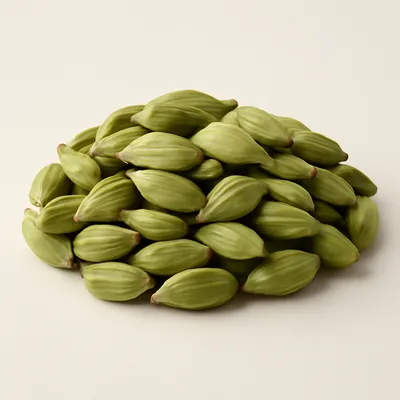
Mandazi is the Swahili-coast bread of the Indian Ocean trading region — shared from southern Somalia through Kenya, Tanzania, Uganda, into Mozambique. It reflects centuries of coastal fusion: the coconut milk and local flour are African, while the deep-frying technique and the cardamom were carried in by Arab, Persian, and Indian traders along the old maritime routes. Mombasa and Zanzibar mandazi differ slightly — Mombasa-Kenyan are puffier and lighter; Zanzibar-Tanzanian are heavier and use more cardamom. Sold hot from street stalls in the morning at every coastal town and now well inland — the snack-bread of all of East Africa.
Bite reveals a fluffy yeasted interior — almost cake-like in springiness, with the coconut milk's richness threaded through the crumb. Cardamom and cinnamon perfume the entire pastry; the slight sweetness is enough to be a treat but not dessert-level. Crackling-thin golden exterior, pillow interior. Dipped briefly in spiced chai, it's the East African morning at its most welcoming.
Coconut milk replacing some of the water gives mandazi the richer mouthfeel and slightly sweet undertone distinct from European doughnuts. Cardamom's volatile aromatic compounds (cineole, terpenes) bloom in the warm dough as it rises and again in the frying oil. The 170°C oil is the sweet spot — hotter causes too-fast browning before interior cooks; cooler makes oil-soaked mandazi. Triangle or diamond shapes are visual identity (vs round doughnuts).
Variations
Mahamri is the closely related Swahili-coast version — the same coconut-and-cardamom yeasted fried bread, usually rounder, a touch sweeter, and more hollow and airy inside; the two names are often used interchangeably on the coast. Zanzibar-style mandazi sometimes adds rose water for extra aromatic complexity. Plain-water mandazi (no coconut milk) is the inland Kenyan and Ugandan version. Modern bakery versions use baking powder instead of yeast for a faster preparation — purists sniff at these.
On the Palate
Where Mandazi sits in the Kenyan flavor cloud
Ingredients
Serves 8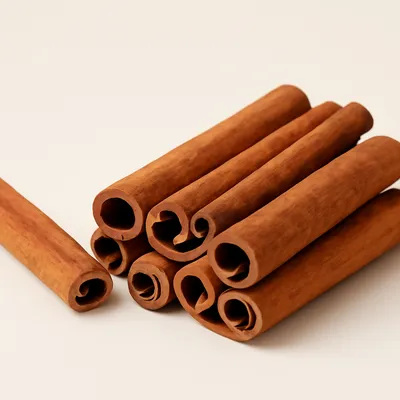



How it's made
11 steps · 30 min active + 1 hour 30 min waiting
- 112 min
Activate yeast: warm 100 ml coconut milk to 35°C in a small bowl. Stir in 7 g instant yeast + 1 tbsp sugar. Rest 10 min until foamy.
Watch outWait for the yeast to foam and smell yeasty before you use it — a flat, still surface after 10 min means dead yeast, and your mandazi won't rise.
- 23 min
In a large bowl: combine 400 g all-purpose flour + 80 g sugar + 1 tsp ground cardamom + ½ tsp ground cinnamon + ½ tsp salt.
- 34 min
Add the yeast-coconut-milk mixture + 1 beaten egg + 150 ml additional coconut milk + 2 tbsp melted butter. Mix to a soft dough.
- 411 min
Knead on a lightly floured surface 10 min until smooth and elastic. Add small amounts of flour if too sticky.
Watch outKnead until the dough turns smooth and springs back when you press it — sticky, ragged dough means it needs a few more minutes.
- 585 min
Coat dough lightly with 1 tsp oil, place in a clean bowl, cover with damp cloth. Rest 75-90 min in warm spot until doubled.
Watch outIt's ready when doubled in size and a finger-poke leaves a dent that fills back slowly — spring right back and it needs more time.
- 68 min
Punch down dough. Divide into 4 portions. Roll each on a floured surface into a 20-cm circle, 1 cm thick. Cut each circle into quarters (creating 16 triangle wedges total) OR cut into 4-cm diamond shapes.
- 716 min
Cover shaped dough with a cloth; let rest 15 min while oil heats.
- 84 min
Heat 5 cm sunflower oil in a heavy pot to 170°C.
- 922 min
Fry mandazi in batches of 4-5, turning constantly with a slotted spoon, 3-4 min total per batch until deeply golden and puffed. Don't overcrowd.
Watch outKeep the oil around 170°C and turn constantly — the mandazi should sink then rise and puff; if it browns before it swells the oil's too hot, if it drinks oil it's too cool.
- 103 min
Lift onto paper towels to drain.
- 115 min
Serve warm with hot chai (Swahili-style tea: black tea brewed with cardamom, ginger, cinnamon, milk, and sugar). Alternatively, serve with mbaazi wa nazi (pigeon peas in coconut sauce) for a complete Swahili breakfast.


