


Kenyan
Nyama choma on the grill, ugali on every plate, sukuma wiki every weekday, pilau at weddings — East African crossroads with Bantu agriculture, Cushitic pastoralism, Swahili coast, and Indian railway-worker layers.
Nyama Choma
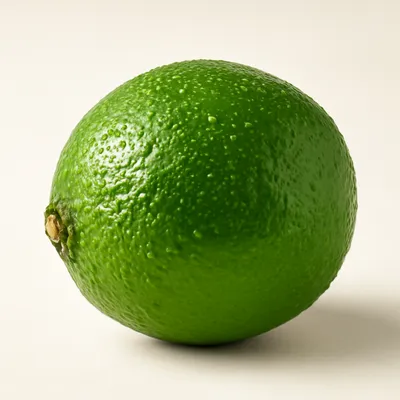
Goat or beef ribs marinated lightly with salt and lemon, slow-grilled over hardwood coals (acacia preferred) for 45-60 min, sliced and served with kachumbari salad and ugali. Eaten communally from a wooden board with hands; the Kenyan celebration meat at every major event from wedding to Sunday family lunch.
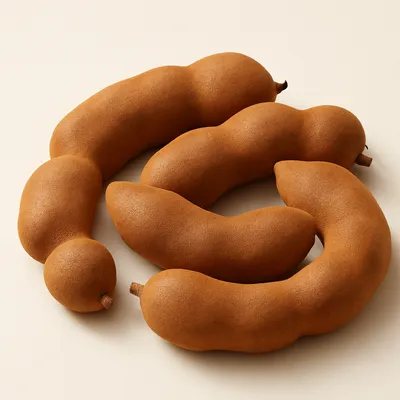
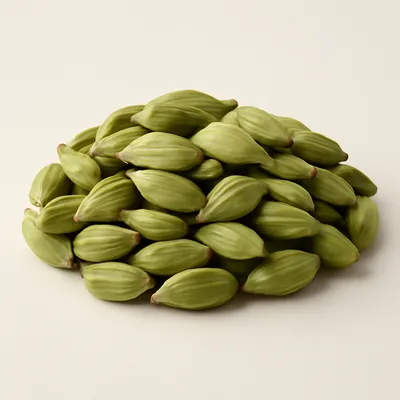
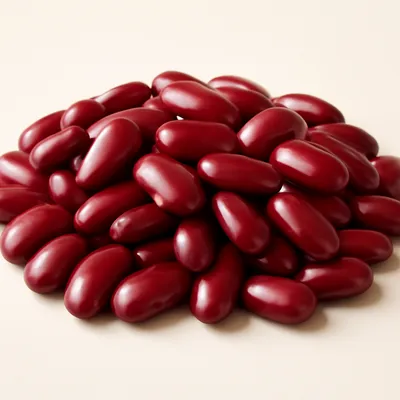
View page →Kenyan cooking is the cuisine of an East African crossroads. Bantu agriculture gave the country corn (ugali staple), beans, leafy greens (sukuma wiki); Cushitic pastoralism gave the festive meat tradition (nyama choma); Arab-Swahili Indian Ocean trade brought coastal coconut milk, cardamom, and seafood; 20th-century South Asian railway-worker immigration left chapati, samosas, biryani, and pilau so embedded in the everyday menu that Kenyans no longer recognize them as imports. Ugali is universal; nyama choma is for special occasions; sukuma wiki is daily green; githeri is Kikuyu highland home cooking. The coastal Mombasa-Lamu belt cooks with coconut and tamarind in a fully Swahili-Indian register; the Maasai-pastoralist interior keeps the meat-centered tradition. Modern Nairobi assembles all of it.
The Palate
Start Here
Goat or beef slow-grilled over hardwood charcoal with only salt and lemon — Kenya's celebration meat eaten with hands at every Sunday family lunch and major event.
Why start here · Nyama choma teaches the Kenyan philosophy: best ingredients need least intervention. Eating it communally from a wooden board with hands is the most-Kenyan experience available.
Coarse white cornmeal stirred into a firm-smooth porridge that holds its shape on the plate — Kenya's universal staple, eaten with hands as edible utensil for every meal.
Why start here · Ugali is the Kenyan plate-anchor — every other dish makes sense alongside it. Learning to scoop ugali with the right hand is the first step into Kenyan eating culture.
Collard greens sautéed with onion, tomato, and a pinch of curry powder — the daily Kenyan vegetable. Name means 'stretch the week' in Swahili.
Why start here · Sukuma wiki is what Kenyans eat 4+ nights a week — affordable, nutritious, deeply daily. Pair with ugali to taste the Kenyan kitchen's everyday rhythm.
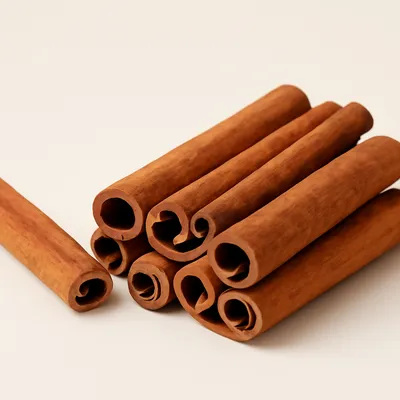
Spice-fragrant beef-and-rice cooked in one pot with caramelized onions, cardamom, cumin, cloves, and cinnamon — the Kenyan wedding-and-Eid rice.
Why start here · Pilau Kenyan shows how Indian-Kenyan railway-worker spices became fundamentally Kenyan. It's a festive dish without needing to be a banquet — anyone can make it.
The Pantry







See all 58 ingredients›










Herbs & Spices













Sauces & Condiments


On the Map
Where this cuisine is found
Regional Styles
Central Highlands (Kikuyu country)
Mount Kenya foothills and central plateau — Kikuyu-dominated agricultural heartland. Mukimo (mash of potato-corn-beans-greens) and githeri are the signatures; tea and coffee plantations.
Nairobi & Central
Capital and central area — cosmopolitan crossroads where every Kenyan regional cuisine meets, plus Indian-Kenyan immigrant traditions. The country's restaurant scene.
Mombasa & Swahili Coast
Coastal Mombasa-Malindi-Lamu region — Swahili-Arab-Indian cuisine with coconut milk, cardamom, fresh fish, mahamri sweet bread. Distinct from the interior.
Rift Valley (Kalenjin country)
Western Rift Valley around Eldoret, Iten, Kapsabet — Kalenjin people, world-renowned long-distance runners, fermented sour milk (mursik) tradition, lighter cooking style.
Lake Victoria & Western Kenya
Western Kenya around Lake Victoria — Luo people, fresh tilapia from the lake, dried fish preparations, less spice than coastal, more grain than highland.
How They Cook
Techniques that define this cuisine
See 6 more techniques›
Kindred Kitchens
Cuisines built on the same signature ingredients


