
Finely diced fresh tomatoes, red onion, and chili tossed with cilantro, lime or lemon juice, salt, and sometimes a touch of olive oil — the bright, acidic East African salad that accompanies nyama choma, beef stew, and rice dishes. Served raw and chilled; the visual contrast of red tomato, magenta onion, and green cilantro is part of the appeal.


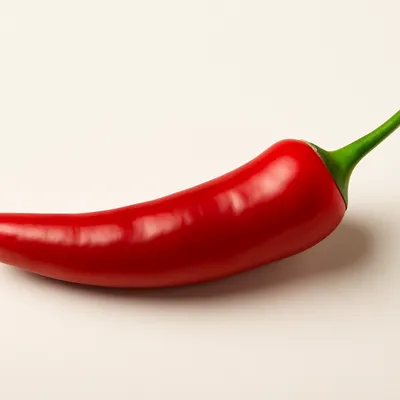
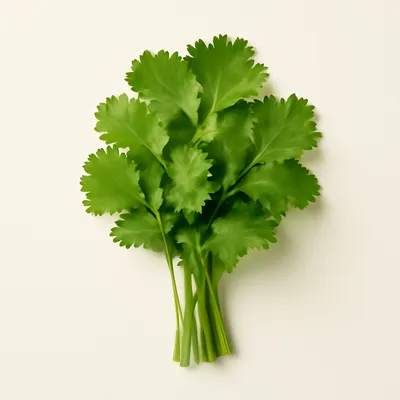
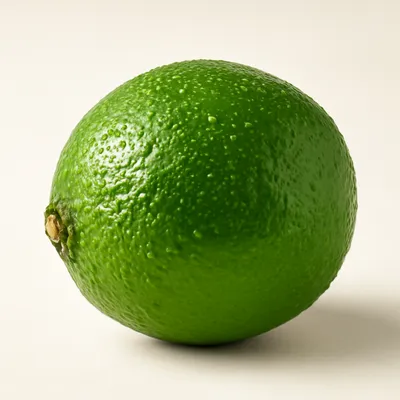

Kachumbari ('chopped salad', from the Indian kachumber via Swahili) is the East African answer to the universal need for a bright, acidic palate-cleanser alongside heavy meat dishes — analogous to Indian kachumber (the etymological root) and Mexican pico de gallo. The dish came to East Africa through Indian labour migration tied to the British colonial railway in the late 1800s and early 1900s, and was steadily absorbed into local cooking. Today kachumbari is eaten across Kenya, Tanzania, Uganda and Rwanda; restaurants serve it with grilled or stewed meats and home cooks make it daily.
Each forkful is uniformly tiny tomato-onion-chili cubes coated in lime juice — the texture is precise, the flavor is sharply bright. The red onion's slow-soak makes it less aggressive raw; the chili provides slow-burn heat behind the lime acidity. Sprinkled over greasy nyama choma or a heavy goat stew, kachumbari cuts through richness like a knife. The universal East African palate-cleanser.
Cold-water onion soak removes some of the harsh sulfur compounds that make raw red onion bite; the result is sharper but more palatable. Deseeding tomatoes prevents the salad from going watery within an hour. The 10-min meld is critical: less time and the components taste separate; more time and the tomatoes start releasing too much juice. Acid from the lime begins lightly 'cooking' the onion through osmosis.
Variations
Avocado kachumbari adds diced avocado for richness — modern Nairobi variant. Coastal Mombasa kachumbari uses mango (green or ripe) instead of tomato as the sweet-tart base. Spicy versions add habanero or scotch bonnet for serious heat. Cucumber kachumbari (cucumber-onion-cilantro) is the lighter Kenyan summer variant.
On the Palate
Where Kachumbari sits in the Kenyan flavor cloud
Ingredients
Serves 4

How it's made
8 steps · 20 min active + 5 min waiting
- 110 min
Dice vegetables to 5 mm cubes (uniform size is the technique): 4 medium ripe tomatoes (deseeded for less wateriness), 1 medium red onion (raw), 1 small green chili (or to taste — jalapeño, serrano, or local Kenyan chili).
- 25 min
Soak diced red onion in cold water 5 min to mellow its bite. Drain.
Watch outSoak just until the raw sting mellows, then drain — leave the onion in too long and it goes soft and loses its fresh crunch.
- 31 min
Combine all diced vegetables in a bowl. Add 4 tbsp chopped fresh cilantro.
- 41 min
Dressing: whisk juice of 2 limes + 1 tbsp vegetable oil + ½ tsp salt + ¼ tsp black pepper.
- 51 min
Pour dressing over vegetables. Toss gently with a fork.
- 610 min
Rest 10 min in the bowl at room temperature — the flavors meld and the onion picks up the lime acidity.
Watch outGive it the full 10 minutes so the flavors marry, but no longer — past that the tomatoes start weeping and the salad turns watery.
- 71 min
Taste; adjust salt and acidity. Optional: a pinch of sugar to balance if tomatoes are too acidic.
Watch outTaste for the lime-salt balance before serving; if the tomatoes read too tart, a pinch of sugar rounds it off.
- 81 min
Serve at room temperature alongside nyama choma, ugali-and-stew, or with rice and grilled fish. Kachumbari is also a popular table condiment — diners help themselves to as much or as little as they want.


