
Floury potatoes, fresh-picked corn kernels, soft pumpkin greens, and pre-cooked kidney beans all mashed together into a colorful pale-green-yellow-pink chunky-textured mash. Eaten with nyama choma, beef stew, or fried chicken; the Kikuyu highland staple from central Kenya. Each region tweaks the green: pumpkin leaves traditionally, but spinach or chard work.

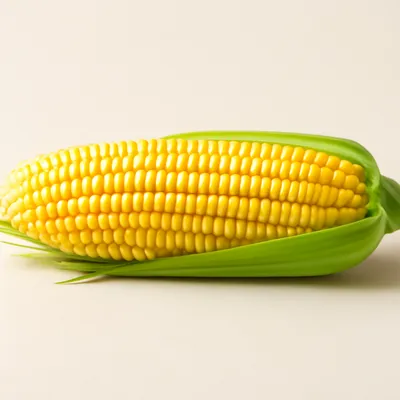
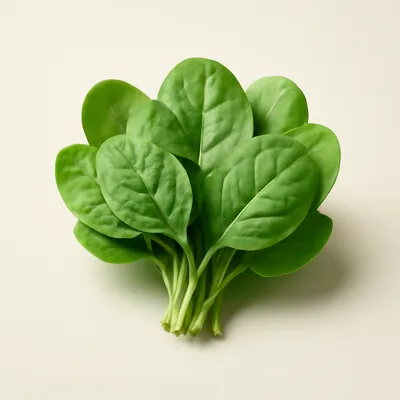
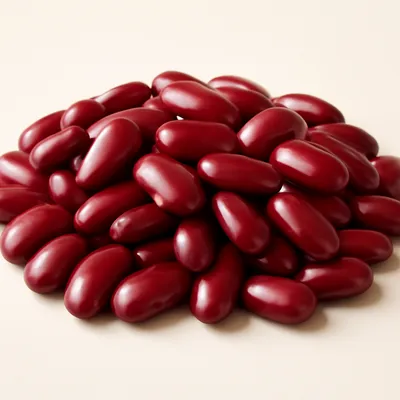


Mukimo (Kikuyu language: 'mash', from kĩma) is the traditional dish of the Kikuyu people from Kenya's central highlands around Mount Kenya; the neighbouring Embu and Meru communities make their own versions of it. The combination of potato (introduced by European settlers in the colonial era), maize (which became a major staple in Kenya over the nineteenth century), beans (from indigenous Bantu agriculture), and indigenous greens such as pumpkin leaves represents the layered history of Kenyan highland farming. Mukimo is served at Kikuyu weddings, naming ceremonies, circumcision celebrations and communal gatherings, traditionally as a giant shared dish; modern Nairobi restaurants offer it as a side. Mukimo wa minji uses peas; mukimo wa stroberi uses strawberries (a modern fusion).
Fork brings up coarse-textured pale-green mash with visible bursts of yellow corn and pinkish bean. Each component remains identifiable but the whole is bound by the buttery potato. The pumpkin leaves give an earthy-mineral background; the beans add nutty depth; the corn sweetens. A perfect partner for charcoal-smoky nyama choma — the mash absorbs the meat's juices and provides starchy contrast.
Coarse mashing (not blending) preserves the visual identity of each component — a smoother mukimo loses its character. Adding butter helps emulsify the cooking liquid into the starch, giving the mash its smooth-but-textured mouthfeel. Pre-cooking beans separately prevents them from becoming mushy with the potatoes. Wilting greens dry rather than boiling them keeps their flavor concentrated.
Variations
Mukimo wa minji uses fresh green peas instead of kidney beans — sweeter, younger version. Mukimo wa githeri uses dried githeri (corn-and-bean mix) as the base — older traditional dish. Wedding mukimo uses pumpkin leaves traditionally. Modern variants add spinach (more accessible) or chard. Some Nyeri-region recipes add a sprinkle of grated dry-cured beef.
On the Palate
Where Mukimo sits in the Kenyan flavor cloud
Ingredients
Serves 6How it's made
10 steps · 30 min active + 30 min waiting
- 14 min
Peel and quarter 700 g floury potatoes (Maris Piper or Yukon Gold). Place in a large pot.
- 22 min
Add 200 g fresh corn kernels (from 2 cobs) + 1 tsp salt + cold water to cover.
- 324 min
Bring to a boil. Simmer 20-25 min until potatoes are very tender.
Watch outSimmer the potatoes until a fork slides through with no resistance — they need to be fully soft or the mash stays lumpy and won't come together.
- 46 min
Meanwhile: wilt 200 g pumpkin leaves (or substitute spinach or chard) in a dry skillet over medium 4 min until soft and reduced. If using larger leaves, chop coarsely. Lift out, squeeze excess water, set aside.
Watch outDry-wilt the greens until they collapse and darken — no water in the pan; this concentrates the flavor instead of boiling it away.
- 51 min
Have ready: 1 cup pre-cooked kidney beans (canned, drained).
- 63 min
Drain potatoes and corn (reserve a half-cup of cooking water). Return to the pot.
- 76 min
Add the wilted greens, the kidney beans, and 2 tbsp butter. Mash with a potato masher — the mixture should be coarse-textured (you should still see the corn kernels, bits of green, and bean shape).
Watch outMash just to a coarse texture — stop while you can still see whole corn kernels, flecks of green, and bean shapes; over-mashing turns it to paste and kills the character.
- 82 min
Add ½ cup reserved cooking water if too stiff; add salt to taste. Mukimo should be moldable but not pasty.
Watch outLoosen with the reserved water a splash at a time until it holds a shape but isn't gluey — you want moldable, not pasty.
- 95 min
Optional: traditional shaping. Mound the mukimo on a serving plate and press into a domed mound about 15 cm wide. Score with a knife for decoration.
- 106 min
Serve warm alongside nyama choma, beef stew, fried chicken, or as the main with sukuma wiki and a glass of cold sour milk (mursik).


