
Traditional fermented sour milk of the Kalenjin highland people of Kenya's Rift Valley — fresh cow's or goat's milk fermented for three to five days in a charcoal-lined gourd (sotet), producing a thick, intensely tart and distinctly smoky drink. The charcoal coating, made from specific local trees, gives mursik a pale grey-to-bluish tint along with natural preservation. A marker of Kalenjin hospitality and celebration, it is famously offered to the region's victorious distance runners on their return home.


Mursik (also marsik) is the Kalenjin people's traditional milk preparation from the Rift Valley highlands (Iten, Eldoret, Kapsabet regions), said to go back more than 300 years as a way to preserve surplus milk. The sotet (calabash gourd) is scoured with a palm stick, dried, then lined inside with charcoal from specific local trees — most signature is itet (also senetwet), Senna didymobotrya or 'peanut butter cassia', the source of mursik's characteristic smoky flavour; African olive (Olea europaea ssp. africana), Lippia kituiensis and Prunus africana are also used. The charcoal lends both flavour and natural antimicrobial preservation. This highland region has produced most of Kenya's Olympic distance-running gold medallists, and returning champions are famously welcomed home with mursik; modern Eldoret cafés sell it to runners and tourists, while rural homes still make it in the traditional gourd.
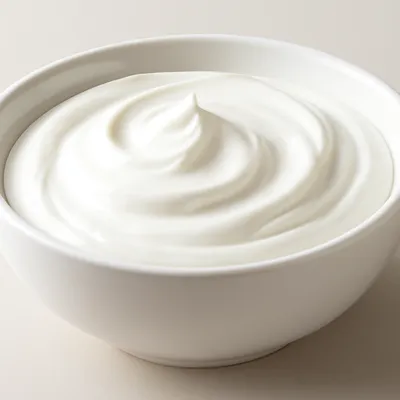
Sip is intensely tart and distinctly smoky — the charcoal-and-wood essence is unlike any Western fermented milk. Texture is thick, almost yogurt-like; flavour sits between strong buttermilk and live-cultured cream cheese. Native palates love it; foreigners often find it challenging on first try. As a post-exercise drink, the protein-and-mild-acid combination has been called a 'liquid recovery meal' by sports nutritionists who study Kalenjin runner diets.
The charcoal lining (from specific Kalenjin trees) does two jobs: it provides flavour compounds (smoky-phenolic notes from incomplete combustion, plus the pale grey-bluish tint) and natural antimicrobial preservation, adsorbing unwanted bacteria while allowing beneficial lactic-acid fermentation. Three to five days of spontaneous fermentation at room temperature — driven by lactic-acid bacteria, yeasts and moulds — develops a complex tart culture; longer fermentation gives a sharper-tart flavour. A well-used gourd further stabilises fermentation by carrying culture over from the previous batch.
Variations
Sweet mursik (a modern tourist version) is blended with mango or strawberry to make it palatable for unfamiliar palates. Less-fermented mursik (about a day) is milder and yogurt-like. Mursik mixed with ugali (called kimanga in Kalenjin) is a traditional post-running carb-protein meal. Industrial production exists but lacks the gourd-and-charcoal complexity.
On the Palate
Where Mursik sits in the Kenyan flavor cloud
Ingredients
Serves 6How it's made
10 steps · 30 min active + 2 days 23 hours 30 min waiting
- 15 min
NOTE: Authentic mursik requires a traditional sotet (calabash gourd) and specific charcoal types. Below is the technique; experienced makers use generations-old gourds.
- 2720 min
Day 1: select a clean, dry calabash gourd (sotet) about 1-1.5 L capacity. If new, condition by lining the interior with charcoal from itet (Senna didymobotrya) or other Kalenjin-traditional wood — burn small twigs inside the gourd to coat the interior with charcoal residue.
- 312 min
Boil 1.5 L fresh whole cow's milk over medium heat 8 min, then cool to 35°C (body temperature).
Watch outLet the boiled milk drop to body-warm before it goes in the gourd — pour it in hot and the heat kills the culture and nothing ferments.
- 43 min
Pour the warm milk into the charcoal-conditioned gourd. Cap or cover loosely with cloth.
- 52880 min
Ferment at room temperature (20-25°C, never refrigerated) for 2-3 days. Shake or roll the gourd gently 2-3 times daily — this distributes the fermentation evenly and incorporates the charcoal flavor.
Watch outRoll the gourd a couple times a day so the charcoal-lined wall keeps seeding the milk; leave it still and the smoke flavor never spreads and the culture goes uneven.
- 64 min
Test readiness: milk should be visibly curdled (thick, separated, with the smoky charcoal aroma penetrating throughout). Color is pale gray-white.
Watch outIt's ready when the milk has thickened and pulled together with a clear smoky-charcoal smell coming through and a pale gray cast — thin and milky-sweet means give it another day.
- 78 min
Strain through cheesecloth into a serving pitcher to remove charcoal pieces and any larger curds.
- 8600 min
Modern shortcut method (without gourd): mix 2 tbsp culinary-grade activated charcoal powder into the warm milk, add 200 ml yogurt starter, ferment in a clean glass jar at room temperature 36-48 hours. Strain.
- 960 min
Refrigerate before serving.
- 105 min
Serve cold in small cups (200 ml per serving). Mursik is typically drunk plain by Kalenjin elders and athletes; modern Nairobi cafés add sugar or honey for unfamiliar palates. Pair with ugali, nyama choma, or as a post-run protein-and-carb drink.


