
Palestinian falafel: dried chickpeas (never canned!) soaked overnight, ground with parsley, cilantro, dill, garlic, onion, cumin, coriander, and chili — formed into balls or patties and deep-fried until crisp-golden outside and bright-green-tender inside. Served in pita with tahini, salads, and pickles. The street-corner Palestinian breakfast and lunch.
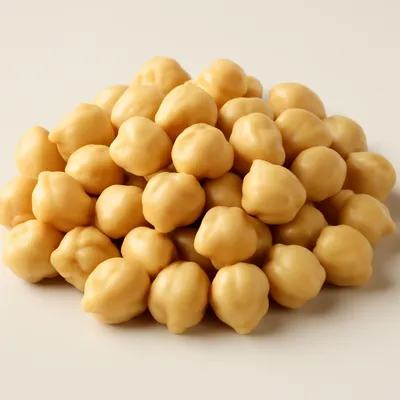



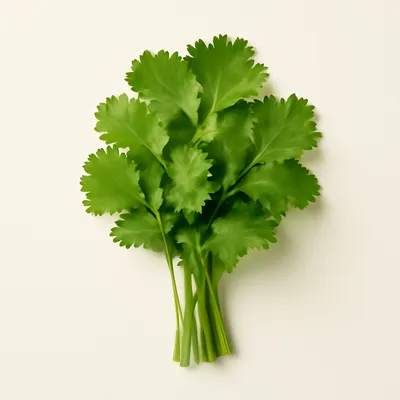
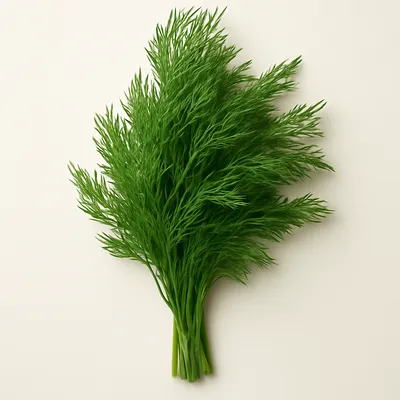
Palestinian falafel descends from Egyptian ta'meya — fried fava bean patties — adapted with chickpeas during the Arab-Islamic migration. The Palestinian version is distinguished by the bright-green interior (from herbs) and the chewy-not-mushy texture (from coarse-grinding raw chickpeas, never cooked). Sold from corner falafel stalls across the West Bank, Gaza, and Palestinian diaspora communities. Best eaten freshly fried.
Bite a hot falafel — crisp-crackling golden crust gives way to bright-green soft-chewy interior with visible flecks of parsley, cilantro, garlic. Bite: cumin and coriander warmth, fresh herb burst, mild chili heat, chickpea earthiness. Spoon tahini-lemon sauce over; the creamy-acidic dressing ties everything. In a pita wrap with tomato, pickle, and salad, this is the Palestinian street-corner lunch.
Raw chickpeas (vs. cooked) keep their starch in granular form — this allows the falafel to hold together via mechanical binding rather than pasty dough. Baking powder creates CO2 for the fluffy interior. Bright-green color from herbs is preserved by quick frying — long frying would brown them. Resting before frying lets the mixture firm and become easier to shape.
Variations
Egyptian ta'meya uses fava beans instead of chickpeas. Spicier Palestinian falafel adds more chili. Modern restaurant version adds sesame coating. Diaspora version uses canned chickpeas (less authentic, falls apart easily).
On the Palate
Where Falafel Palestinian sits in the Palestinian flavor cloud
Ingredients
Serves 6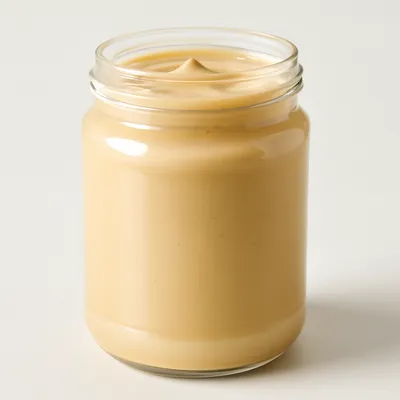





How it's made
12 steps · 45 min active + 11 hours 15 min waiting
- 1722 min
Soak 500 g dried chickpeas in cold water overnight (12 hours minimum). Drain.
- 28 min
Grind chickpeas: in a food processor, blitz the drained chickpeas with 1 large chopped onion + 6 minced garlic cloves + 2 cups fresh parsley + 1 cup fresh cilantro + ½ cup fresh dill (optional but Palestinian standard) until finely ground.
Watch outGrind the soaked raw chickpeas fine but not to a paste — you want a damp, couscous-fine crumb; over-blitzed to purée and the falafel go dense and gummy.
- 33 min
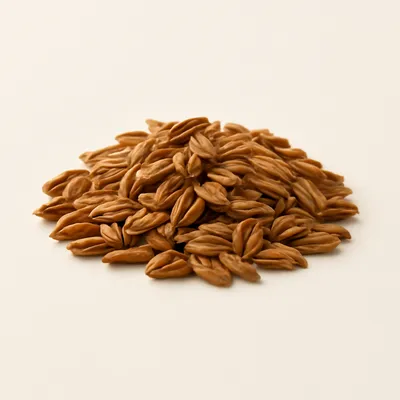
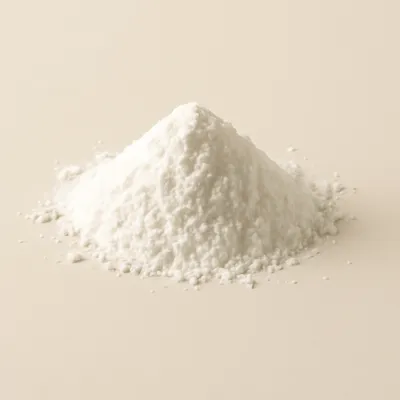
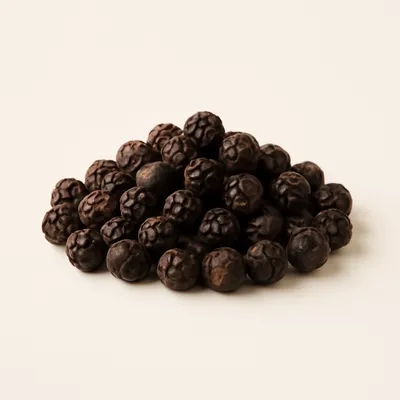
Add spices: 2 tbsp ground cumin + 1 tbsp ground coriander + 1 tsp baking powder + 1 tsp salt + ½ tsp ground black pepper + ¼ tsp ground cayenne (or to taste). Pulse to combine.
- 41 min
Taste a tiny amount; adjust salt. The mixture should be uniform, bright-green, and hold together when pinched.
Watch outTest a pinch — it should just clump and hold together in your fingers; if it crumbles apart, it'll fall apart in the oil, so tighten it before frying.
- 532 min
Rest mixture 30 min in fridge to firm up.
- 67 min
Heat 7 cm vegetable oil in a deep pot or wok to 175°C.
- 712 min
Form falafel: with wet hands or a falafel scoop, shape mixture into balls (3-cm diameter) or patties (5-cm diameter, 1.5-cm thick). Should make 24-30.
- 81 min
Test fry one — if it falls apart, add 1-2 tbsp chickpea flour to bind. If perfect, proceed.
- 922 min
Fry in batches (5-6 at a time) 4 min per batch, turning, until deep golden-brown.
Watch outFry fast in hot oil to deep golden — quick frying keeps the crumb bright green inside; lingering too long browns the herbs and dulls the color.
- 102 min
Drain on paper towels.
- 115 min
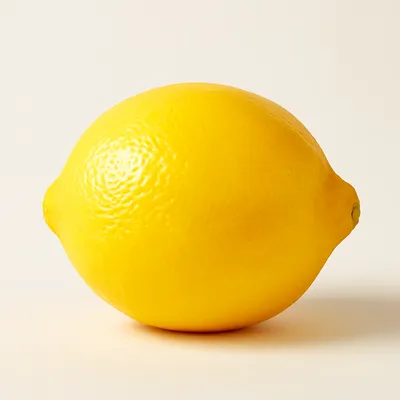
Make tahini-lemon sauce: whisk 100 g tahini + juice of 2 lemons + 100 ml water + 2 minced garlic + ½ tsp salt + 2 tbsp chopped parsley until smooth-creamy.
- 123 min
Serve falafel in pita with tahini sauce + fattoush salad + pickled vegetables + sliced tomato.


