
Black Sea cornmeal bread — fine yellow cornmeal mixed with yogurt, eggs, and butter, baked in a wide pan into a dense, slightly sweet golden cornbread — the universal Black Sea Turkish staple, eaten with butter, honey, or alongside savory dishes.





Mısır ekmeği ('corn bread') is the everyday bread of Turkey's Black Sea coast, where wheat doesn't grow well due to the cool wet climate but corn (introduced from the Americas in the 17th century via Ottoman trade) thrives. The Black Sea coast — Trabzon, Rize, Giresun, Samsun, Sinop — became one of the few corn-eating Mediterranean regions. Mısır ekmeği is denser and slightly more crumbly than American cornbread, with the addition of yogurt providing acidity and tenderness. The bread is eaten daily with breakfast (with butter and honey), at lunch (alongside hamsi or muhlama), and at dinner (with stews). Black Sea grandmothers traditionally bake it in a wood-fired clay oven; modern home cooks use a regular oven or a stovetop pan with a lid.
A warm wedge of mısır ekmeği breaks with a slight crack of the buttery-crisp crust, revealing dense golden cornmeal crumb threaded with tiny pockets from the yogurt's lactic-acid reaction with baking soda. The flavor is corn-forward, slightly sweet, with the yogurt providing subtle tang. Spread with butter and a drizzle of dark Black Sea chestnut honey: the contrast of warm bread, melting butter, and sweet honey is the canonical Black Sea breakfast. With a savory hamsi dish on top, the cornbread becomes a base; this is the daily way Trabzon eats.
Yogurt's lactic acid (pH 4.5) reacts with baking soda (NaHCO₃) to release CO₂ bubbles — this is the dish's primary leavening, supplemented by baking powder. The reaction also tenderizes gluten in the flour. Fine cornmeal (not coarse polenta-grind) is essential — coarse cornmeal gives gritty, less-pleasant texture. The 200°C bake creates a Maillard-browned crust while leaving the interior moist. Cooling in the pan 15 min before removing prevents the bread from collapsing while still warm.
Variations
Trabzon canonical with butter + yogurt + sugar; Rize variant adds chopped scallions and a little crumbled cheese (savory version); modern bakeries sell a sweeter dessert version with raisins; American cornbread is similar but uses buttermilk and is fluffier (different texture goal); Greek 'bobota' is the closest equivalent; Italian polenta-bread is similar but uses cooked polenta rather than raw cornmeal; the wood-fired oven version is significantly tastier but requires a wood oven.
On the Palate
Where Mısır Ekmeği sits in the Turkish flavor cloud
Ingredients
Serves 8


How it's made
7 steps · 15 min active + 55 min waiting
- 15 min
Preheat oven to 200°C / 400°F. Generously butter a 25cm round or 20x25cm rectangular oven dish (cast iron is ideal).
- 23 min
In a large bowl, whisk 250g fine yellow cornmeal + 100g all-purpose flour + 1 tsp baking soda + 1 tsp baking powder + 1 tsp salt + 2 tbsp sugar.
- 33 min
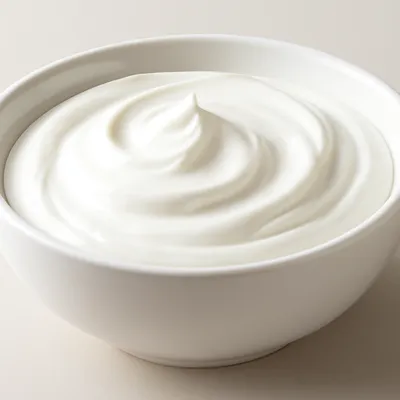
In another bowl, whisk 400g full-fat plain yogurt + 3 large eggs + 100g melted butter + 1/2 tsp vanilla extract (optional).
- 44 min
Pour the wet ingredients into the dry; stir gently until just combined — do not overmix. Batter should be thick and pourable.
Watch outFold just until no dry streaks remain — overmixing works the gluten and gives a tough, gummy crumb instead of a tender one.
- 54 min
Pour batter into the prepared dish; smooth the top with a spatula. Sprinkle with 1 tbsp cornmeal on top for textural crunch.
- 632 min
Bake 30-35 min, rotating once at the 20-min mark for even browning, until the top is deep golden, the edges have pulled away from the pan, and a skewer inserted in the center comes out clean.
Watch outIt's done when the top is deep gold, the edges pull from the pan, and a skewer in the center comes out clean — wet crumb clinging means a few more minutes.
- 719 min
Cool in pan 15 min, then transfer to a rack. Slice into 8-10 wedges or squares. Serve warm or at room temp with butter, honey, kuymak (cheese-cornmeal fondue), or a wedge of mature cheese. Keeps wrapped at room temp 3 days.
Watch outLet it rest in the hot pan fifteen minutes before turning out — lift it warm and the soft crumb collapses on you.
Archive tool suggestions — not reviewed
These legacy suggestions have not been evidence-reviewed and are not presented as required tools.


