
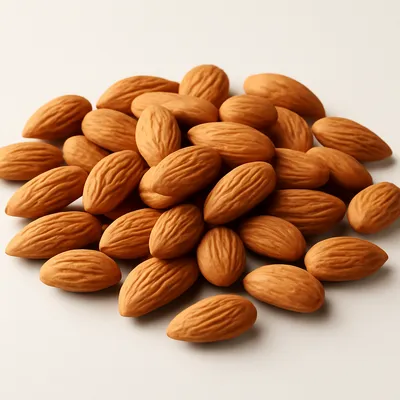
Small, domed cookies of semolina and flour bound with butter and egg, each pressed with a single blanched almond and baked golden, then drowned in cooled lemon syrup until soft and saturated. The name means 'piece of sugar'. Tender rather than crisp, they are a fixture of Ramadan and holiday tables and are often called the dessert second only to baklava in Turkish home baking.





Şekerpare is documented in Ottoman sources from the second half of the 19th century, where a syrupy dessert of the same name was made with butter, flour and lye water. The food historian Priscilla Mary Işın records it among the desserts served at the iftar tables of the Ottoman elite. The name is Ottoman Turkish, combining the Persian şeker (sugar) with pare (piece). From Turkey the dessert spread across the former Ottoman Balkans, where it survives as sheqerpare and similar names.
The cookie has soaked up so much syrup that it gives under a fork, the crumb dense and moist all the way through rather than dry or flaky. It is sweet and lemon-bright, with the toasted almond on top adding a faint bitterness and crunch against the soft body. Best eaten at room temperature a day after baking, once the syrup has fully settled into the center, with tea or Turkish coffee.
Semolina is what keeps the crumb from collapsing into mush: its coarse particles absorb syrup while holding structure, so the cookie turns soft without dissolving. The dough is deliberately low in sugar because almost all the sweetness arrives later from the syrup. As with most Turkish syrup pastries, the temperature gap matters — cool syrup is ladled over cookies still warm from the oven, so it seeps steadily into the open crumb instead of sitting on the surface, and the cookies are left to drink it in for at least half an hour before serving.
Variations
Some bakers top each cookie with a hazelnut or pistachio instead of an almond, or leave the nut off entirely. Versions vary in how much semolina to flour they use, which shifts the texture from cakey to denser, and a few cooks scent the syrup with a strip of lemon peel or a little clove. Balkan sheqerpare tends to be slightly drier and less heavily syruped.
On the Palate
Where Şekerpare sits in the Turkish flavor cloud
Ingredients
Serves 6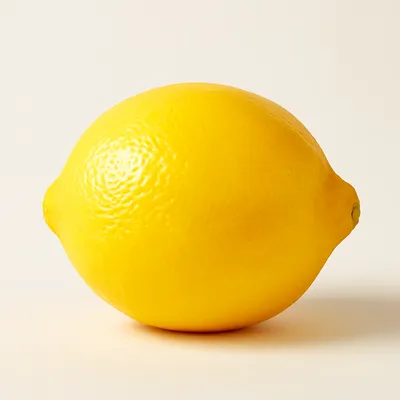
How it's made
6 steps · 30 min active + 45 min waiting
- 115 min
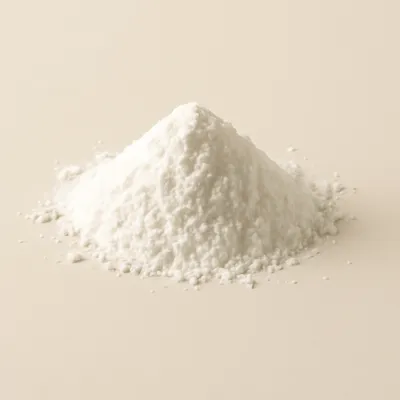
Beat softened butter with a little sugar, then mix in egg, semolina, flour and baking powder to a soft, non-sticky dough; rest it briefly.
- 210 min
Pinch off walnut-sized pieces, roll into balls and flatten slightly into domes on a lined tray, spacing them apart.
- 35 min
Press a single blanched almond into the top of each cookie.
- 425 min
Bake at 170°C until evenly golden, about 20 to 25 minutes.
Watch outBake just to even gold, about 20 to 25 minutes — go darker and the crumb dries too much to drink up the syrup.
- 515 min
While the cookies bake, simmer sugar and water with a squeeze of lemon juice into a light syrup, then let it cool.
- 630 min
Ladle the cooled syrup over the hot cookies straight from the oven and leave them to absorb it for at least 30 minutes before serving.
Watch outCool syrup onto hot cookies — the temperature gap is what pulls it into the open crumb; pour hot syrup on hot cookies and it just slides off the surface.
Archive tool suggestions — not reviewed
These legacy suggestions have not been evidence-reviewed and are not presented as required tools.


