
Karalahana sarması is the Black Sea version of the universal Anatolian sarma (stuffed rolls) tradition — but where Anatolian sarma uses grape leaves (yaprak sarması) or cabbage leaves, the Black Sea coast uses karalahana (the local dark-green kale) which has wider, sturdier leaves that hold up to long cooking better than thinner grape leaves. The filling is also distinctly Black Sea: cornmeal (mısır unu) is mixed with the rice and ground meat — adding cornmeal as a binder/extender is a Black Sea fingerprint. The dish appears at every Black Sea wedding (where 200-300 rolls might be made the day before) and Sunday family gatherings. The technique of nestling rolls tightly in a pot, weighted with a plate during simmering, is shared with Greek lahanodolmades.
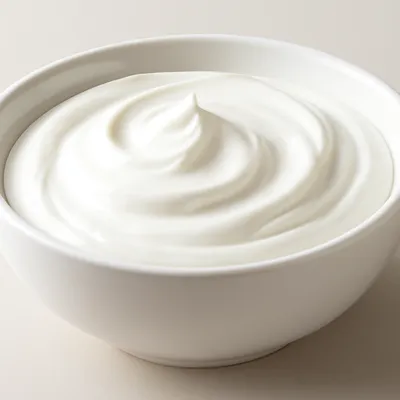
Cut a karalahana sarması with the side of a fork — the dark green wrapper splits open easily, revealing the pink-tan filling: rice, meat, cornmeal, herbs, all bound together by the slow simmer. The leaf has become tender-toothsome (not mushy, not tough). The filling tastes of mint, dill, and the slight bitterness of cooked kale; the cornmeal gives substance without weight. A spoonful of cold yogurt on top + the warm sarma creates the temperature-and-acid contrast that defines Turkish stuffed-vegetable dishes. Eat 5; you'll feel full and warm.
Blanching the leaves before rolling is essential — fresh leaves are too brittle to roll without tearing; blanching softens them just enough to be pliable. The cornmeal in the filling absorbs cooking liquid and expands during simmering, holding the rolls together and providing characteristic Black Sea texture. The weighted plate prevents rolls from floating and unrolling; without it, the dish disintegrates. The 60-min simmer is the bare minimum to fully tenderize karalahana leaves — shorter cooking leaves them chewy. The cornmeal also prevents the rolls from drying out during the long cook.
Variations
Trabzon canonical with beef/lamb + cornmeal + dill+mint; Rize variant adds chopped walnuts to the filling; Giresun version is meatless and uses just rice-cornmeal (Lenten); modern restaurants outside Black Sea use regular cabbage leaves (acceptable but loses identity); the Anatolian 'lahana sarması' uses white cabbage and skips cornmeal; commercial frozen sarması is widely sold but always inferior to homemade; the rolls can be made smaller (5-6cm) for meze service.
On the Palate
Where Karalahana Sarması sits in the Turkish flavor cloud
Ingredients
Serves 6










How it's made
8 steps · 1 hour 30 min active + 1 hour 30 min waiting
- 122 min
Prep leaves: separate 25-30 whole karalahana (lacinato kale) leaves from 2 large heads. Blanch in boiling water 3 min until just pliable (don't cook fully). Plunge into ice water; drain on towels. Cut out the thick central stem from each leaf (a V-shape cut, removing the lower 1/3 of the stem).
Watch outBlanch the leaves just 3 minutes to floppy-pliable, not soft — overcook them and they tear when you roll; then cut out the tough central stem.
- 214 min
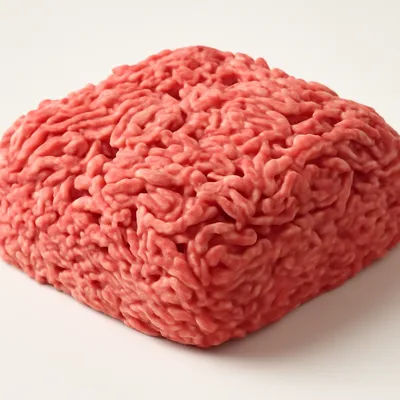
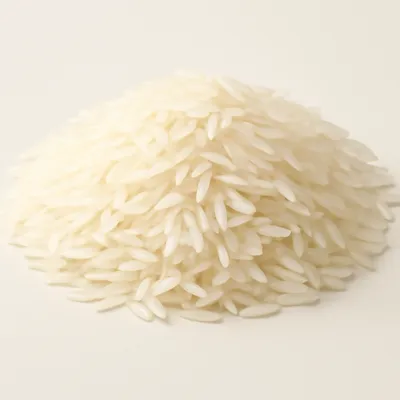
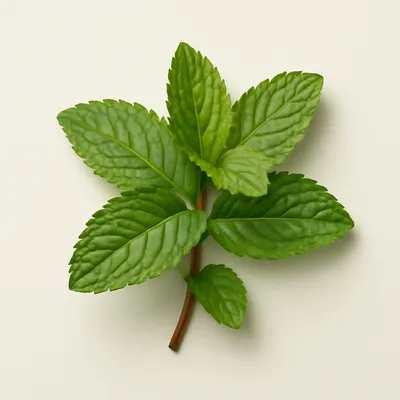
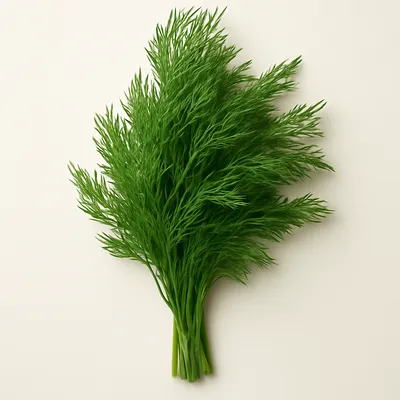
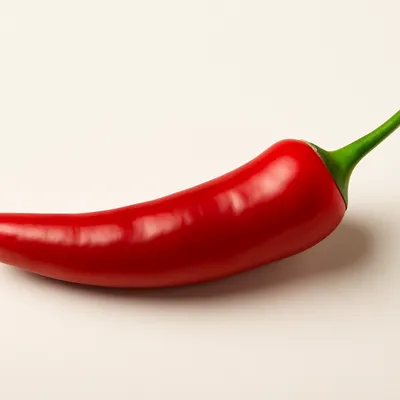
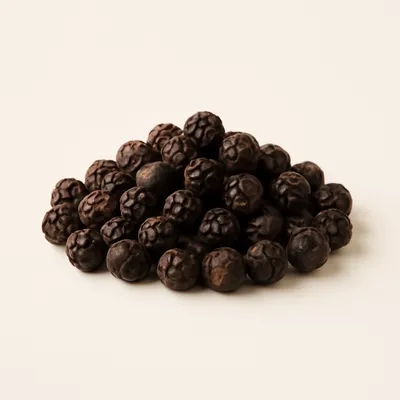
Make filling: in a large bowl, combine 400g ground beef (or lamb) + 200g cooked rice (slightly undercooked) + 50g fine cornmeal + 1 finely diced onion + 4 minced garlic cloves + 1/4 cup chopped fresh mint + 1/4 cup chopped fresh dill + 1/4 cup chopped parsley + 2 tbsp tomato paste + 1.5 tsp salt + 1 tsp black pepper + 1 tsp red pepper flakes. Mix vigorously 5 min until uniform and slightly tacky.
- 330 min
Roll sarma: lay a leaf flat, stem-end toward you. Place 1.5 tbsp filling at the stem end. Fold the bottom up over the filling, fold the sides in, then roll up tightly toward the leaf tip. Should be cigar-shaped, about 8cm long, 2.5cm thick. Repeat with all leaves — should make about 25 rolls.
Watch outRoll each sarma snug and tight, seam-side down — a loose roll floats up and unravels in the pot during the long simmer.
- 412 min
Line the bottom of a heavy wide pot with any torn or extra leaves (to protect the rolls from direct heat). Arrange rolls seam-side-down in concentric circles, snug against each other. Build a second layer if needed.
- 57 min
Make cooking liquid: combine 800ml hot water + 2 tbsp tomato paste + 4 tbsp olive oil + 50g butter + juice of 1 lemon + 2 bay leaves + 1 tsp salt. Pour over the rolls — liquid should come up to the top of the rolls but not cover them.
- 62 min
Place an inverted heavy plate on top of the rolls (to weigh them down during simmering). Cover the pot with a lid.
Watch outSet an inverted plate on top to weigh the rolls down — without it they bob loose and unwind before they're cooked through.
- 765 min
Bring to a boil; reduce heat to low; simmer 60 min until karalahana leaves are completely tender and the filling is fully cooked (rice should be soft, meat firm).
Watch outSimmer a full hour until the kale leaves go completely tender and the rice inside is soft — cut it short and the leaves stay chewy.
- 828 min
Off heat; let stand covered 20 min. To serve: carefully arrange 4-5 rolls on each plate; spoon the cooking liquid over; garnish with a dollop of thick yogurt and a sprinkle of pul biber. Eat with a fork or with bread for sopping up sauce. Best 24 hours after making, when flavors meld.
Archive tool suggestions — not reviewed
These legacy suggestions have not been evidence-reviewed and are not presented as required tools.


