An Istanbul restaurant signature of seasoned ground lamb grilled on a skewer, wrapped tightly in thin lavaş flatbread, sliced into pinwheels and arranged on a plate. The roll is topped with a tomato-and-butter sauce and finished with a generous spoonful of garlicky strained yogurt. The full plated form, with the lavaş wrap, is known as Beyti sarma.





The dish is named after Beyti Güler, who opened his first small kebab house in the Küçükçekmece district of Istanbul in 1945 and built it into one of the city's best-known meat restaurants. The wrapped, sliced presentation now called Beyti sarma was developed at his establishment around the 1960s and spread to kebab houses across Turkey under his name. Because the credit is tied to a single living restaurateur and a specific house, the dish is firmly a 20th-century Istanbul creation rather than an old Anatolian tradition.
The lamb log is loose-textured and juicy from its folded-in fat, charred where the skewer met the grill. Rolled in lavaş, the bread soaks up the rendered fat and the buttery tomato sauce so each pinwheel is part crisp edge, part soft sauced middle. The cool garlic yogurt cuts the richness; the contrast of hot meat, warm bread and cold tangy yogurt is the whole pleasure.
As with all minced kebabs, the fat content is load-bearing: roughly a fifth tail or shoulder fat keeps the lamb moist over high heat, and the mince must be kneaded until tacky so it clings to the skewer without crumbling. Wrapping the just-grilled meat in lavaş while both are hot lets the bread absorb the fat instead of letting it run off the plate. The tomato sauce is mounted with butter so it stays glossy, and the yogurt is served cold and separate so its proteins don't split against the heat.
Variations
The classic Istanbul plate tops the sliced roll with tomato sauce and yogurt; some houses also serve it without the lavaş wrap as plain skewered Beyti köfte. Versions tucked into a wrap with sauce poured over are sometimes labeled Beyti sarma specifically. A few kebab houses substitute ground beef or a lamb-beef blend, though the original is lamb.
On the Palate
Where Beyti sits in the Turkish flavor cloud
Ingredients
Serves 4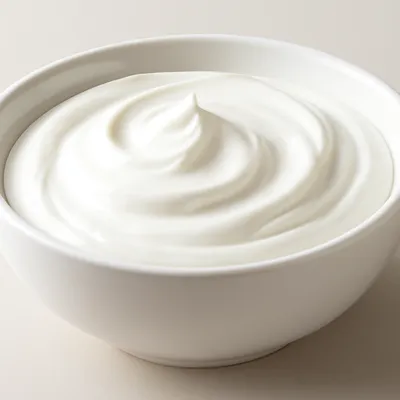
How it's made
6 steps · 45 min
- 140 min
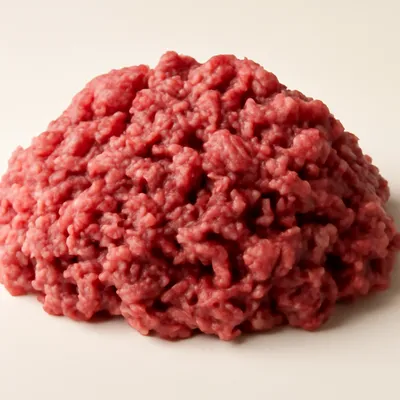
Knead ground lamb with grated onion, garlic, cumin, salt and pul biber until the mince turns sticky and cohesive, then rest it chilled.
Watch outKnead the mince until it turns sticky and clings to the bowl — that tackiness is what lets it grip the skewer without crumbling into the coals.
- 215 min
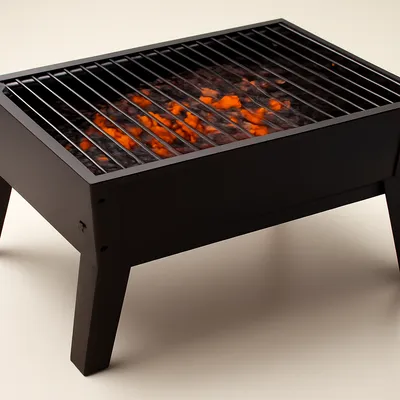
Shape the mince onto flat skewers in long logs and grill over charcoal, turning, until charred outside and just cooked through.
Watch outGrill over charcoal, turning, until the outside is charred but the inside is just cooked through — dry it out and a lean mince kebab goes crumbly.
- 32 min
Warm the lavaş flatbread briefly so it is pliable.
- 45 min
Lay the grilled meat on the lavaş and roll tightly into a cylinder, then slice crosswise into pinwheel sections.
Watch outWrap the meat in the lavaş while both are still hot so the bread soaks up the fat — let it cool first and the fat just runs off onto the plate.
- 510 min
Reduce crushed tomatoes with a little pul biber and mount with butter into a glossy sauce.
- 63 min
Arrange the slices on a plate, spoon the tomato-butter sauce over, and serve with a mound of cold garlic-stirred strained yogurt.
Archive tool suggestions — not reviewed
These legacy suggestions have not been evidence-reviewed and are not presented as required tools.