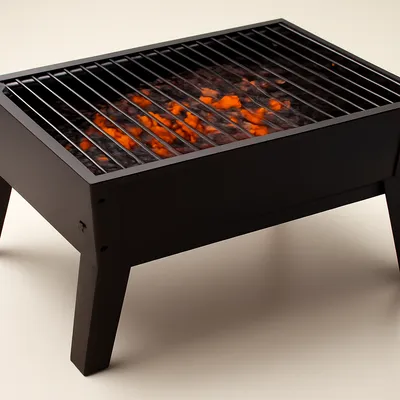
A Gaziantep (Antep) kebab in which fine bulgur — locally called simit — is soaked, then kneaded into medium-fat ground lamb or beef along with pepper paste, pine nuts and spices, pressed onto wide flat skewers and grilled over charcoal. Here "simit" is the Antep word for a very fine grade of bulgur (cracked, parboiled wheat), and has nothing to do with the sesame-crusted ring bread of the same name. The bulgur is the defining trait: it binds the mince and gives the kebab a tender, faintly grainy, more cohesive bite than the pure-meat kebabs of the same region. It is eaten Antep-style on lavaş with grilled tomato and pepper, an onion-and-sumac salad, and very often a dusting of ground pistachio. In some areas the dish is also called oruk kebabı.


Simit kebabı belongs to the kebab repertoire of Gaziantep in southeastern Anatolia. Its name turns on a piece of local dialect: in Antep, simit is the word for a very fine grind of bulgur, so the dish is literally "fine-bulgur kebab" — a point local cooks are careful to make, since the same word elsewhere names the sesame ring bread. It has no recorded inventor or court pedigree and reads as a thrifty home and kebab-house dish, the bulgur stretching a modest amount of meat into a filling meal; in parts of the region it is known as oruk kebabı. Gaziantep, a UNESCO Creative City of Gastronomy, holds well over a hundred geographical-indication registrations, and simit kebabı is among them: "Gaziantep Simit Kebabı" was entered in the Turkish Patent and Trademark Office's geographical-indication register on 19 April 2021. Once a common everyday kebab, it had grown rare enough on city menus that the registration was framed partly as a rescue of a fading local taste.
A wide flat skewer of mince that is meatier-dense and a touch grainy where the bulgur sits, charred and glossy outside, tender and moist within. The flavour leans warm and aromatic — pepper paste and pul biber, cumin, the resin of toasted pine nuts, a whisper of dried mint — rather than purely fiery. You tear off warm lavaş, lay on a piece of kebab with grilled tomato, a blistered green pepper and a pinch of sumac onion, and the bread soaks up the rust-coloured fat. A scatter of ground pistachio over the top is the Antep finishing touch, lending a green, nutty sweetness against the spice.
The bulgur is what separates this from a pure-meat Adana. Soaking the fine grain first lets it swell and soften so it disperses evenly through the mince rather than staying hard; kneading then does double duty. Working the meat extracts myosin, the muscle protein that cross-links into a sticky, cohesive mass, while the swollen bulgur releases gelatinised starch that further glues the mixture together — so the soft mince grips the wide flat skewer and holds its shape over the fire without a separate binder. The same bulgur acts as a sponge during grilling: as the lamb fat renders and the meat's own juices are driven out by the heat, the starchy grain soaks them back up instead of letting them drip into the coals, which keeps the kebab moist where a leaner pure-meat mince would dry and tighten. The result is a softer, more uniform, slightly granular bite — denser and more forgiving than the loose, airy texture of hand-minced Adana. A medium-fat mince still matters, since the rendering fat is what the bulgur carries through the meat.
Variations
Cooks split between the charcoal-skewer form (pressed onto flat skewers like Adana and grilled over coals) and an easier home version baked or pan-cooked as small finger-shaped köfte, sometimes called oruk kebabı. The meat runs from pure lamb to a lamb-beef blend; pine nuts, dried mint and a little pepper paste are near-constant, and many Antep cooks finish the plate with ground pistachio. Two things it must not be confused with. First, despite the name, it has nothing to do with simit the sesame-crusted ring bread — here simit is purely the local term for fine bulgur. Second, it is not an Adana or Urfa kebab: those are pure hand-minced meat with no grain at all, the meat loose and airy, whereas simit kebabı kneads fine bulgur into the mince for a denser, faintly grainy, self-binding texture. The closest relative is içli köfte, which uses the same fine bulgur as an outer shell around a meat-and-nut filling and is deep-fried or boiled, rather than the bulgur being mixed all through the meat and grilled on a skewer.
On the Palate
Where Simit Kebabı sits in the Turkish flavor cloud
Ingredients
Serves 4


How it's made
7 steps · 30 min
- 115 min
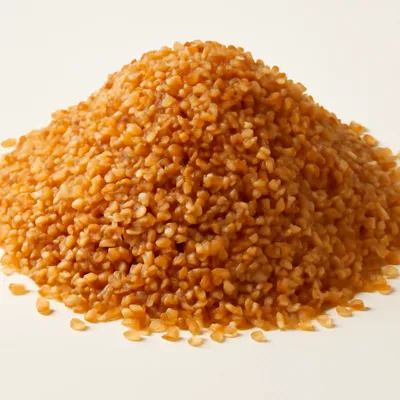
Rinse 1 cup fine bulgur (the very fine "simit" grade), cover with an equal amount of warm water, and leave 15 minutes until the grain swells soft and the water is absorbed.
Watch outSoak the fine bulgur until it swells soft and drinks up all the water — grain still hard here won't disperse and the mince stays gritty.
- 26 min
Toast 3 tbsp pine nuts in a dry pan until golden; finely grate 1 onion and crush 3 cloves of garlic.
- 38 min
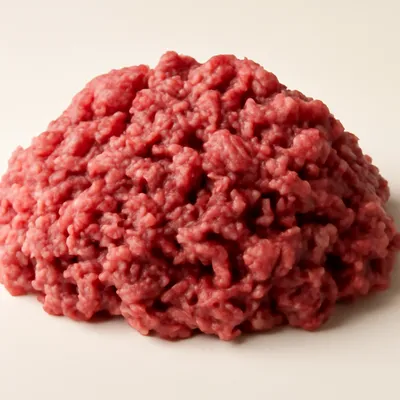
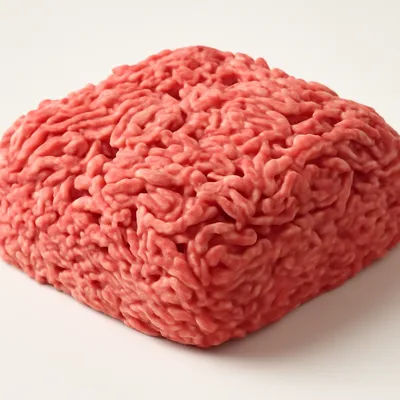
Combine 600 g medium-fat ground lamb (or lamb-and-beef) with the soaked bulgur, onion, garlic, pine nuts, 1 tbsp pepper paste, pul biber, cumin, dried mint, salt and black pepper.
- 410 min
Knead the mixture firmly for 8–10 minutes until it turns tacky and cohesive and the bulgur is worked all through the meat.
Watch outKnead until the mince turns tacky and grips your hand — that stickiness is the myosin that lets it hold onto the skewer over the fire.
- 58 min
With wet hands, press the mince in an even layer onto wide flat skewers (or shape into small finger-length köfte for a tray).
- 615 min
Grill over charcoal, turning, for 12–15 minutes until charred outside and just cooked through — or bake on a greased tray at 200°C for about 25 minutes.
Watch outPull it off the coals the moment it's charred outside and just cooked through — the lean mince over-fires and dries out fast.
- 75 min
Serve hot on warm lavaş with grilled tomato and green pepper and an onion-sumac salad, dusting the kebab with ground pistachio.
Archive tool suggestions — not reviewed
These legacy suggestions have not been evidence-reviewed and are not presented as required tools.