Trabzon Akçaabat grilled beef meatballs — beef (the local veal tradition), traditionally ground and kneaded by hand for about an hour, mixed with stale bread, garlic, onion, salt and pepper, formed into long thin oval skewer-shaped meatballs and grilled or pan-fried, served with raw onion and parsley.




Akçaabat köftesi is the iconic meatball of Akçaabat, a small coastal town just west of Trabzon on Turkey's Black Sea coast. The traditional method grinds the meat (after resting it about a day) and then kneads it by hand for roughly an hour to develop bind — distinct from Adana kebab, which is hand-chopped with a knife. The canonical version is built on local beef/veal with added beef fat; some recipes blend in lamb, but beef is the defining meat; the seasoning is restrained (salt, black pepper, garlic, onion, and stale bread for binding) — no chili, no cumin, no exotic spices, which distinguishes it from southeastern kebabs. The traditional shape is long-and-flat (~10cm × 3cm, ~1cm thick) rather than round. Köfte are grilled over hot coals or pan-seared. Best eaten the day they're made.
Cut into an Akçaabat köfte: the texture is unlike any ground-meat meatball you've eaten — small visible bits of hand-chopped beef and lamb give a coarser, more meat-forward bite, with springy tenderness from the baking soda. The flavor is pure meat + salt + pepper + onion + garlic — restrained, focused, allowing each ingredient to be tasted. Wrap a piece in flatbread with the parsley-onion-sumac mix; the acidity of the herbs cuts the rich meat. Drink ayran. No chili, no cumin, no exotic flavors — this is what Black Sea Turks consider perfection.
Hand-chopping (vs grinding) preserves muscle fiber structure — ground meat is a homogeneous paste of broken fibers, while hand-chopped meat has small intact pieces that retain their fibrous bite. The result is a köfte that tastes more like steak than meatloaf. Baking soda (1 tsp) raises pH, which makes meat proteins hold more water, creating springy-tender texture without dryness. Grated onion (squeezed of juice) provides flavor without making the mixture wet; the juice would otherwise dilute the meat. Resting the mixture 30 min lets salt penetrate and proteins develop bind.
Variations
Akçaabat canonical with hand-chopped beef+lamb + stale bread + no spice; Trabzon variant adds a pinch of cumin; modern restaurants outside the Black Sea use ground meat (much faster but loses identity); the closely-related 'tekirdağ köftesi' from Marmara is similar but uses no garlic; commercial frozen Akçaabat köfte is sad; cooking on charcoal is significantly better than pan-searing — wood fire gives smoke aroma that the dish lacks otherwise.
On the Palate
Where Akçaabat Köftesi sits in the Turkish flavor cloud
Ingredients
Serves 4



How it's made
8 steps · 45 min active + 45 min waiting
- 110 min
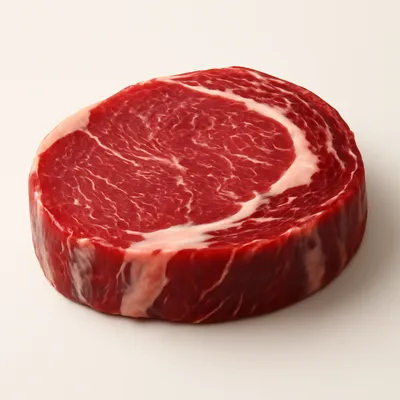
Buy 350g beef chuck (or sirloin) + 150g lamb shoulder. Both should be very fresh and very cold. Trim any thick connective tissue but keep some fat (15-20% fat ratio total).
- 210 min
Hand-chop the meat: with a heavy sharp knife, chop the meat finely on a board. Alternate chopping and gathering with the side of the knife. Continue 8-10 min until the meat is uniformly fine (~3-4mm pieces) but still has texture — should NOT be a paste like ground meat.
Watch outChop until the pieces are an even 3-4mm but still hold texture — the moment it smooths into paste, you've gone too far.
- 36 min
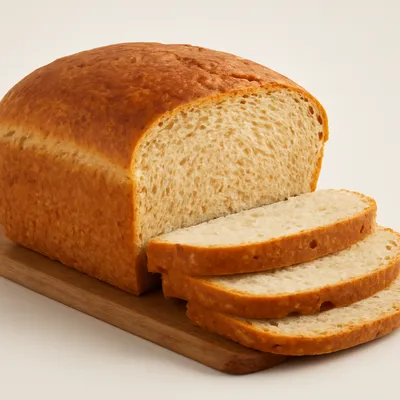
Soak 50g stale white bread (crusts removed) in 100ml cold water 5 min. Squeeze out water; mash bread to a paste.
- 46 min
In a large bowl, combine the hand-chopped meat + bread paste + 1 grated onion (squeezed of excess juice) + 4 minced garlic cloves + 1 tsp salt + 1.5 tsp black pepper + 1 tsp baking soda (this is the Akçaabat secret — gives the meatballs a tender springy texture). Mix vigorously with hands 5 min until very smooth and slightly tacky.
Watch outMix vigorously by hand 5 minutes until the meat turns very smooth and slightly tacky — that tackiness is the bind forming.
- 533 min
Cover; refrigerate 30 min minimum (overnight for maximum flavor melding).
- 68 min
Form köfte: with damp hands, take a 50g portion and shape into a flat oval about 10cm long, 3cm wide, 1cm thick. Should look like a thin fish fillet. Make 12 köfte.
- 79 min
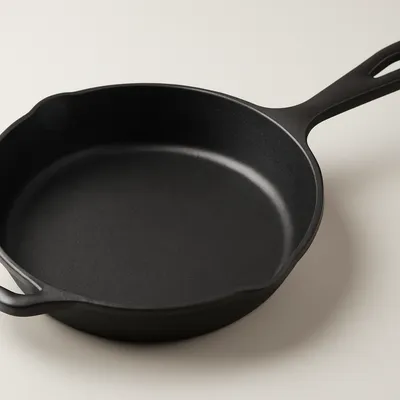
Cook: preferred is grilling over hot charcoal, 3 min per side, until well-browned and just-cooked inside. Alternative: heat a heavy skillet over medium-high heat; brush with oil; sear köfte 3 min per side, finish in 200°C oven 4 min if needed.
Watch outShape flat ovals about 10cm long and 1cm thick, like thin fish fillets; too thick and the center won't cook evenly on the grill.
- 88 min
Serve immediately on a warm platter with a generous bed of thinly-sliced raw onion + chopped parsley (squeezed with lemon and a pinch of sumac), grilled long green peppers, and crusty bread. Optional accompaniments: rice pilaf, ayran.
Archive tool suggestions — not reviewed
These legacy suggestions have not been evidence-reviewed and are not presented as required tools.