A Gaziantep summer kebab built by threading thick rounds of eggplant alternately with hand-shaped köfte of ground lamb (or lamb-and-beef) onto a flat skewer, then roasting it on a tray or grilling it over charcoal. Tomatoes and long green peppers are tucked between the pieces, and a tomato–pepper-paste sauce is often spooned over before or after cooking. As the meat renders, its fat soaks into the spongy eggplant, which collapses to a creamy softness while the köfte stays moist. It is eaten with lavaş or pide and raw onion, the bread used to mop the rust-coloured pan juices.
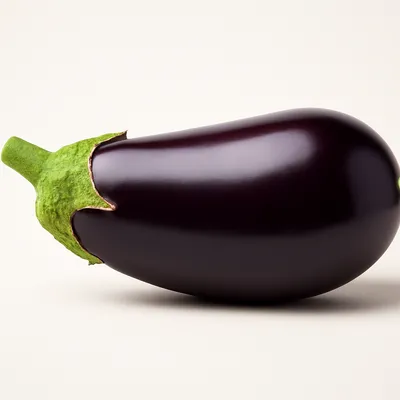




Patlıcan kebabı (also patlıcanlı kebap) belongs to the kebab tradition of southeastern Anatolia — Gaziantep above all, but also Şanlıurfa, Adıyaman and Hatay (Antakya). It has no fixed inventor or court pedigree; it reads as a home-and-kebab-house dish of the late-summer eggplant glut, when the season's aubergines are cheap and plentiful. In the Gaziantep dialect it is sometimes called balcan kebabı, balcan being the local word for eggplant. A living custom in Antakya and in Şanlıurfa's Birecik district is to assemble the tray at home, then carry it to the neighbourhood bakery to be finished in the wood-fired oven. Gaziantep holds well over a hundred geographical-indication registrations — for its baklava, pistachios, beyran and pepper paste among them — but patlıcan kebabı is not among the protected products, so it is best described simply as a defining Gaziantep eggplant-season kebab rather than a registered one.
Whole rounds of eggplant, skin striped off in bands, sit between knuckles of spiced lamb köfte on a flat skewer. The eggplant goes silky and almost custardy at the centre, edged with char; the meat is browned, loose and juicy, carrying pepper paste and pul biber. Wedges of tomato burst into the juices, the long green peppers blister and sweeten. You pull eggplant, meatball and a smear of sauce into a torn piece of lavaş and eat it by hand, the bread soaking up fat the colour of brick.
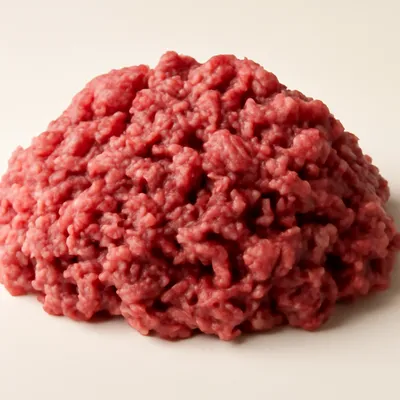
Raw eggplant is roughly 90% water held in a spongy, air-filled flesh. As it heats, pectin and cellulose in the cell walls break down, the trapped water cooks off, and the open spaces left behind draw in the lamb fat rendering from the köfte beside it — so the fat that would otherwise drip away instead seasons and enriches the eggplant from within, which is why tail fat or a fatty lamb mince matters here. Alternating meat and eggplant is the whole trick: the fat continuously bastes the eggplant while the eggplant's own moisture steams the köfte, so neither dries out. Salting the slices for about half an hour first pulls out water and partly collapses that sponge, so the flesh turns creamy rather than greasy and bitterness leaches away with the drawn-out juice. The köfte is kneaded until the mince turns tacky, which extracts myosin and lets the meatballs hold their shape on the skewer without crumbling.
Variations
Most common is the oven-tray form (fırında / tepside patlıcan kebabı), eggplant and köfte fanned in a round pan under a tomato–pepper sauce; the charcoal-skewer version (şiş) chars harder and tastes smokier. Cooks swap the meat between pure lamb and a lamb-beef blend, and Şanlıurfa Birecik does a chicken-and-eggplant tray taken to the bakery. This dish must not be confused with Ali Nazik: Ali Nazik is a bed of smoked, mashed eggplant purée under diced sautéed lamb and garlicky yogurt — there the eggplant is pulped and there is a yogurt base, whereas patlıcan kebabı keeps the eggplant in whole slices or chunks alternated with köfte on a skewer, with no purée and no yogurt. It is also distinct from islim kebabı, where thin grilled eggplant strips are wrapped around the meatballs like a parcel rather than threaded beside them.
On the Palate
Where Patlıcan Kebabı sits in the Turkish flavor cloud
Ingredients
Serves 4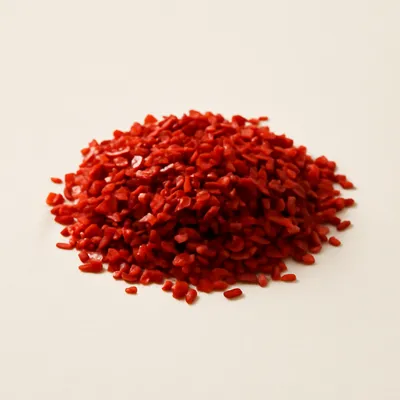


How it's made
6 steps · 40 min
- 135 min
Slice 3 eggplants into 2–3 cm thick rounds, peeling the skin off in alternating bands. Salt them and rest 30 minutes, then pat dry.
Watch outSalt the eggplant 30 minutes then pat it bone-dry — this pulls out water so the slices drink lamb fat instead of weeping and steaming.
- 210 min
Knead 500 g fatty ground lamb (or lamb-beef) with grated onion, 1 tbsp pepper paste, pul biber, salt and pepper for about 5 minutes until tacky; shape into flat köfte the width of the eggplant slices.
Watch outKnead the lamb about 5 minutes till it turns tacky and grabs your hand — that stickiness binds the köfte so it holds on the skewer.
- 312 min
Thread a flat skewer alternating eggplant round, köfte, eggplant round, tucking in tomato wedges and pieces of long green pepper — or fan the same sequence into a round oven tray.
- 44 min
Whisk 2 tbsp tomato and pepper paste with a little water and oil and spoon it over the tray; lay extra tomato slices on top.
- 550 min
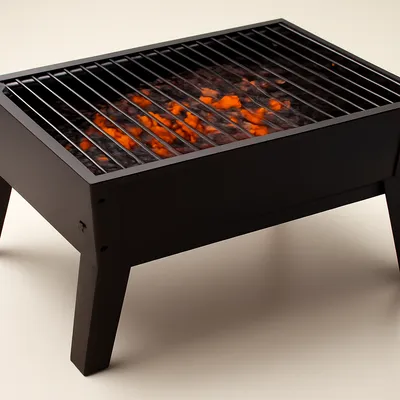
Roast in a 200°C oven for 45–55 minutes, basting once with the pan juices, until the eggplant is collapsed and the köfte browned — or grill the skewers over charcoal, turning, for 20–25 minutes.
Watch outIt's done when the eggplant has collapsed soft and the köfte are browned — the fat should have basted the eggplant, not dripped away dry.
- 65 min
Rest a few minutes, then serve hot with warm lavaş or pide and raw onion, spooning the pan sauce over.
Archive tool suggestions — not reviewed
These legacy suggestions have not been evidence-reviewed and are not presented as required tools.