
Fluffy buttery rice studded with toasted vermicelli (şehriye), cooked grain-by-grain so each one stays separate. The default side dish of Turkish home and lokanta cooking.
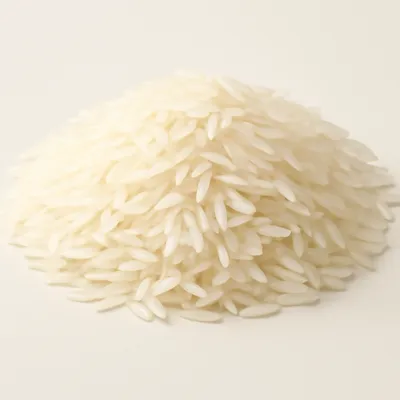




The everyday Turkish pilaf, served alongside countless dishes such as kuru fasulye and stews; toasting şehriye in butter is its signature step (Turkish Cuisine, Turkey's For Life).
Each grain is loose and glossy with butter, broken up by little curls of nutty toasted vermicelli. It tastes simple and clean, the perfect mild backdrop for a saucy stew or beans.
Rinsing removes surface starch so grains don't clump, and the absorption method lets each grain swell evenly. Toasting the vermicelli develops Maillard flavour and a faint nuttiness that lifts an otherwise plain pilaf.
Variations
With chickpeas (nohutlu); bulgur instead of rice; with pine nuts and currants for a festive version; orzo in place of vermicelli.
On the Palate
Where Şehriyeli Pilav sits in the Turkish flavor cloud
Ingredients
Serves 4How it's made
8 steps · 10 min
- 14 min
Rinse the rice in several changes of water until it runs clear, then drain.
Watch outRinse the rice until the water runs clear, not cloudy — leftover surface starch is what makes the finished pilaf gummy and clumped.
- 22 min
Melt butter with a little oil in a pot over medium heat.
- 34 min
Add the vermicelli and stir until it turns golden brown.
Watch outToast the vermicelli only to a golden brown and pull it the second it smells nutty — a shade too dark turns bitter.
- 42 min
Stir in the drained rice and coat it in the butter for a minute.
- 51 min
Pour in hot stock or water and add salt.
- 612 min
Bring to a boil, then cover and cook on low until the liquid is absorbed.
- 710 min
Turn off the heat and rest, covered, with a cloth under the lid.
Watch outRest it off the heat with a cloth under the lid — the towel drinks the drips so they don't fall back and make the top layer soggy.
- 82 min
Fluff gently with a fork and serve.


