

Central Asian Turkic nomads diluted fermented milk with water and salt to cut its sourness; the word ayran is already recorded in Mahmud al-Kashgari's 11th-century Compendium of the Turkic Languages, and ayran with cow/sheep yogurt settled into Anatolia, with Turkey naming it the national drink in 2013. The Ottoman court drank it; modern industrial bottling started with Atatürk Orman Çiftliği in 1937.
Susurluk in Balıkesir is Turkey's ayran capital — restaurants on the highway whip it tableside in a wooden churn called yayık. The 2013 alcohol law restrictions made the prime minister Erdoğan declare ayran the unofficial national drink.
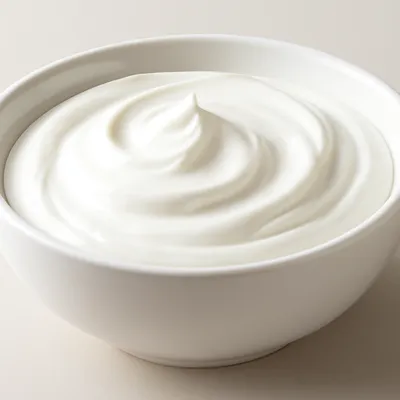
Off-white, lightly thick — not as heavy as lassi. Foam head two fingers deep when whisked properly. Tastes saline first, then sour, then milky-cool. The classic pairing is grilled lamb (Adana kebab, döner) where the fat needs cutting.
Yogurt-to-water ratio is roughly 1:2 by volume for classic Anatolian style (about one part yogurt to two parts salted water) — looser than home lassi, thicker than buttermilk. Salt isn't optional; it suppresses the sour edge and pulls out the dairy sweetness. Whisk hard or shake in a sealed jar to aerate.
Variations
Yayık ayran from Susurluk is churned in a wooden butter-churn for a thicker mouthfeel. Tuzsuz ayran skips salt for kids. Industrial brands like Sütaş and Pınar dominate supermarket cold cases; village versions use sheep yogurt and taste sharper.
On the Palate
Where Ayran sits in the Turkish flavor cloud
Ingredients
Serves 1How it's made
3 steps · 4 min
- 12 min
Whisk 500 ml strained yogurt with 250 ml cold water until smooth.
Watch outWhisk the yogurt and water until dead smooth with no lumps — a roughly 1:2 yogurt-to-water ratio lands the classic Anatolian body, looser than lassi.
- 21 min
Add 1/2 tsp salt; whisk vigorously to create foam.
Watch outAdd the salt and whisk hard until a real foam caps it — salt isn't optional, it tames the sour edge and pulls out the dairy sweetness, and the froth is the signature.
- 31 min
Serve in tall glasses over ice; garnish with mint leaf if desired.
Archive tool suggestions — not reviewed
These legacy suggestions have not been evidence-reviewed and are not presented as required tools.