
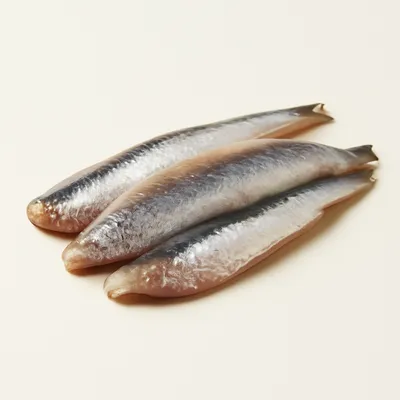



Hamsi (the small fresh anchovy fished from the Black Sea, Engraulis encrasicolus) is the defining ingredient of Black Sea Turkish cuisine — the Trabzon, Rize, Giresun, and Samsun coastal kitchens use it in dozens of preparations from breakfast to dessert. Hamsili pilav is the most celebrated: a buttery onion-and-currant pilaf is layered into a clay tava (oven dish), topped with fresh hamsi arranged in a sunburst pattern (heads-out from the center), and baked. The dish appears at every Black Sea wedding, holiday, and family gathering during the November-February hamsi season. Black Sea Turks (Karadenizliler) are deeply proud of their hamsi culture; jokes about Karadenizliler always involve hamsi.
A spoon dug deep into hamsili pilav comes up with everything at once: a layer of silvery anchovy skin on top, then a layer of buttery rice studded with pine nuts and currants, then another layer of anchovy filling underneath. The hamsi cook into the rice, releasing fish oils that enrich every grain. The currants surprise — they're sweet with a faint tart edge, balancing the fish savor. The dish is profoundly Black Sea: the fish, the buttery rice, the harvest dried fruit, all in one casserole. Eat with cold ayran and rosé wine and you understand why Karadenizliler refuse to leave home for long.
Hamsi (fresh anchovies) are different from cured anchovies: fresh hamsi are mild, sweet-fleshed, and rich in healthy oils — the dish would be inedibly salty if made with cured anchovies. The sunburst arrangement is functional, not just decorative: laying fish radiating outward ensures each portion gets fish (fish heads point inward in the visual center). Currants provide sweetness that balances fish oil's richness — a classic Anatolian flavor pairing dating to Ottoman cuisine. The two-layer construction (fish-rice-fish) means each spoonful gets fish AND rice in correct proportion.
Variations
Trabzon canonical with currants + pine nuts; Rize coastal variant uses cornmeal instead of pine nuts; modern Istanbul Black Sea restaurants serve hamsili pilav with whole hamsi (not deboned) — more authentic but harder to eat; off-season cooks use frozen hamsi (acceptable but lacks the November-February freshness); a 'hamsi tava' uses the same fish but pan-fried not baked; a 'hamsili kuymak' adds cheese-and-cornmeal layers.
On the Palate
Where Hamsili Pilav sits in the Turkish flavor cloud
Cook the pilaf to just-tender first, then bake it under the fresh anchovies — the rice must be finished before it goes in, because the 25-minute bake is only long enough to cook the delicate fresh hamsi, not to soften raw rice.
Ingredients
Serves 6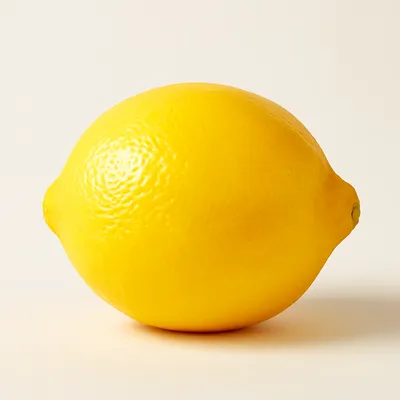



How it's made
8 steps · 1 hour active + 30 min waiting
- 122 min
Clean 800g fresh hamsi (Black Sea anchovies; substitute small fresh anchovies or sardines): remove heads, gut by sliding thumb along belly, pull out spine, leaving fillets attached at the tail. Wash; pat dry. Toss with juice of 1 lemon + 1 tsp salt. Set aside 15 min.
- 211 min
Soak 1/4 cup currants in warm water 10 min; drain.
- 311 min
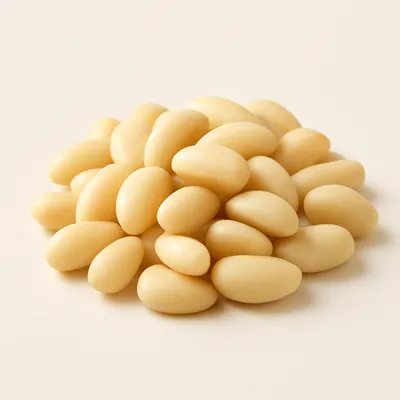
Make pilav: in a wide heavy pot, melt 80g butter over medium heat. Add 2 finely diced onions + 1/4 cup pine nuts; sauté 8 min until onions are deep golden.
Watch outSauté the onions and pine nuts until deep golden — that browning is the sweet, nutty backbone of the pilaf.
- 45 min
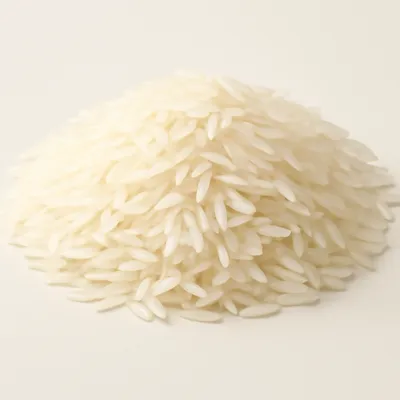
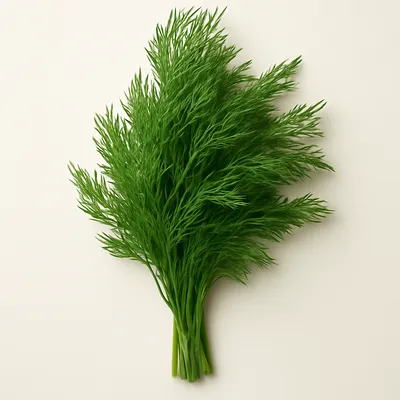
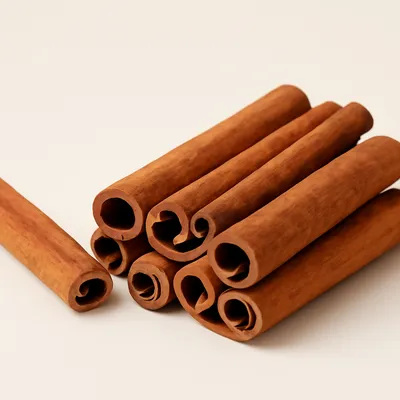
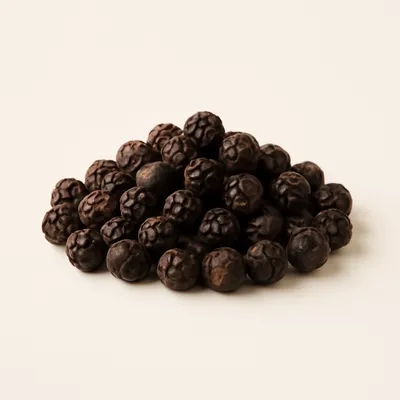
Add 1 tsp ground allspice + 1/2 tsp cinnamon + 1 tsp ground black pepper; stir 30 sec. Add 300g rinsed basmati or baldo rice; toast 3 min until rice turns opaque. Add the drained currants + 1/4 cup chopped parsley + 1/4 cup chopped dill.
- 517 min
Add 480ml hot chicken or fish broth + 1 tsp salt. Bring to boil; reduce to lowest heat; cover (with towel-wrapped lid); cook 15 min until rice is tender and liquid absorbed.
Watch outCook on the lowest heat with a towel-wrapped lid until the liquid is fully absorbed and the rice is just tender.
- 66 min
Off heat; let stand 5 min. Fluff with a fork.
- 712 min
Assemble in a clay tava or wide oven dish: brush with butter. Spread half the pilaf on bottom. Arrange a sunburst of hamsi fillets (skin-side-down, heads radiating outward like spokes from the center) covering the pilaf. Spread the other half of the pilaf on top. Arrange another layer of hamsi on top in the same sunburst pattern (skin-side-up this time, so you'll see the silvery fish backs from above). Drizzle with 2 tbsp melted butter.
- 827 min
Bake at 200°C / 400°F for 25 min, until the hamsi on top is cooked through and lightly browned at the edges. Serve hot, scooping with a spoon to get a cross-section of fish + rice + fish. Pair with cold ayran or a glass of cold white wine.
Watch outDone when the top anchovies are set and edged with brown; a spoonful gives a clean fish-rice-fish cross-section.
Archive tool suggestions — not reviewed
These legacy suggestions have not been evidence-reviewed and are not presented as required tools.


