
Azerbaijan's celebration dish — a whole duck (or chicken) butterflied open, stuffed with a paste of finely-ground walnuts, sautéed onions, pomegranate molasses, raisins, sour plums, and spices, then sewn closed and slow-roasted until the skin is mahogany-crisp and the meat is juicy. The walnut-pomegranate paste creates a unique sweet-tart-nutty crust. The Lankaran-region specialty that's now served at every Azerbaijani celebration.




Lavangi is the signature dish of the Talysh people of Lankaran (in southern Azerbaijan along the Caspian Sea), and also of nearby Astara, Lerik, and Masalli — but it has spread throughout the country as a celebration dish. Both a whole fish and a whole bird are traditional. Stuffing them with ground walnuts, fried onions, and sour-fruit leather (lavashana, made from sour plums) plus pomegranate molasses gives an unusual sweet-tart-nutty result. Persian cuisine has fesenjan (walnut-pomegranate chicken stew), but lavangi is the dry-roasted, traditionally tandir-baked preparation. The most prized version is fish lavangi, made with the Caspian kutum (also asp or carp), stuffed whole and baked. Lavangi is a Novruz and celebration dish; every Azerbaijani wedding serves it, every restaurant in Baku has a variation, and there is a Lankaran Lavangi Festival every June.
Slice into a piece of lavangi duck — mahogany-crisp skin, juicy dark meat, the walnut-pomegranate stuffing visible as a layered dark-amber paste underneath. First bite: the skin is shatteringly crisp under a slight sweet-pomegranate glaze, the meat succulent and rich, the stuffing bursting with concentrated walnut-fruit flavor — sweet-tart from pomegranate molasses, nutty from walnuts, caramelly from the onions, fruity from the raisins, slightly sour from the prunes. With saffron rice and a glass of Azerbaijani Sharab wine, this is the country's most distinctive dish.
Walnuts contain 65% fat plus protein — when ground into a paste and stuffed, they create a self-saucing filling that bastes the bird from inside. Pomegranate molasses' acidity (pH ~3) tenderizes the meat and the walnut paste during the long roast. Slow-roast at lower temperature (after the initial high-heat sear) prevents the walnut paste from burning while allowing the duck to render its fat slowly. The dried fruits add concentrated sweetness; the onions provide umami; the spices balance everything. The result is a flavor combination unique to Azerbaijani-Lankaran cuisine.
Variations
Fish lavangi is the prized Caspian version, classically made with the kutum (also asp or carp), stuffing the whole fish instead of a bird. Chicken lavangi and duck lavangi are the more-accessible everyday versions. Lavangi quail suits individual restaurant plating. Vegetarian lavangi — a long-standing traditional form — stuffs eggplant or large bell peppers with the same walnut paste. Modern restaurant lavangi serves boneless duck breast with the walnut-pomegranate paste as a side sauce. Sweet lavangi (rare) adds more dried fruit and honey for a dessert-like dish.
On the Palate
Where Lavangi sits in the Azerbaijani flavor cloud
Sear the duck hot, then drop to low heat — the walnut stuffing scorches fast, so the long finish must be gentle while the duck slowly renders its fat.
Ingredients
Serves 6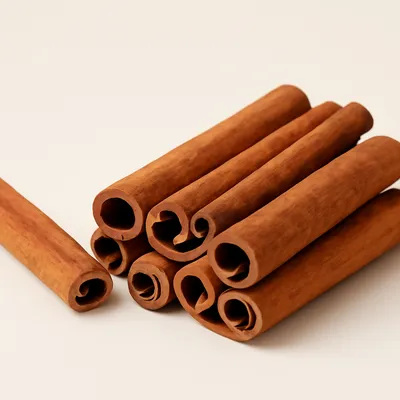





How it's made
14 steps · 1 hour 15 min active + 1 hour 45 min waiting
- 110 min
Acquire 1 whole duck (about 2.5 kg) — pluck-clean, gutted, head removed. Or use a whole chicken (about 1.8 kg) for an easier version.
- 28 min
Butterfly: cut along both sides of the backbone with kitchen shears and remove the backbone. Press to flatten. Set aside.
- 316 min
Make lavangi stuffing: in a heavy pan, melt 4 tbsp butter over medium heat. Add 2 finely-chopped onions; sauté 12 min until deeply caramelized.
Watch outOnions must go past golden to a deep caramel brown — that sweetness anchors the whole filling.
- 48 min
In a food processor, grind 300 g shelled walnuts to a coarse paste (don't make walnut butter — keep some texture).
- 57 min
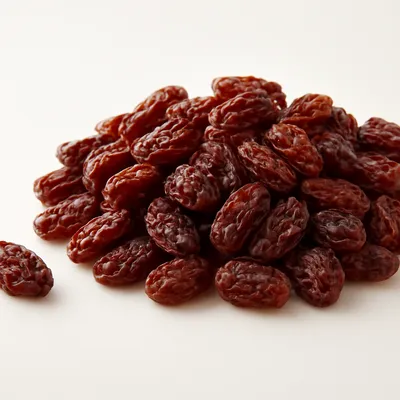
Add the caramelized onions + 100 g raisins + 60 g chopped pitted prunes (or sour plums) + 4 tbsp pomegranate molasses + 1 tbsp ground cinnamon + 1 tsp ground allspice + 1.5 tsp salt + 1 tsp pepper to the walnut paste. Mix into a thick, rich stuffing.
- 612 min
Salt the duck inside and out. Stuff the cavity firmly with the lavangi paste (don't overfill — leave 1 cm at the opening). Sew the cavity closed with kitchen twine, or use skewers to secure.
- 74 min
Place duck breast-side up in a roasting pan. Brush the skin with 2 tbsp pomegranate molasses + 1 tbsp butter. Sprinkle with salt and pepper.
- 832 min
Preheat oven to 220°C. Roast the duck 30 min at high heat.
Watch outAfter 30 minutes at high heat the skin should be sizzling and just starting to color before you drop the temperature.
- 9105 min
Reduce heat to 170°C. Continue roasting 90-120 min (depending on size). Baste every 30 min with the rendered fat from the pan.
- 103 min
Test for doneness: thigh internal temp should reach 80°C; juices run clear; skin should be deep-mahogany-crisp.
Watch outThigh reads 80°C, juices run clear, and the skin is deep mahogany and crisp — that's the doneness cue.
- 1117 min
Rest 15 min loosely tented with foil.
- 129 min
Remove the twine/skewers. Spoon some of the lavangi stuffing out onto a serving platter. Carve the duck into portions (leg, breast, wing). Plate the duck pieces over the stuffing.
- 134 min
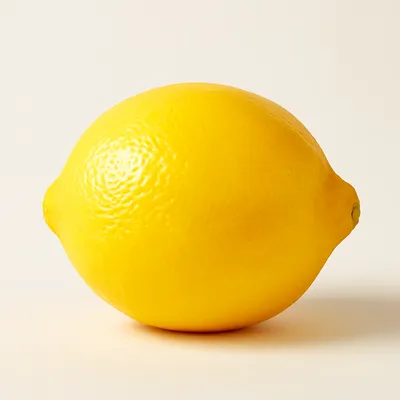
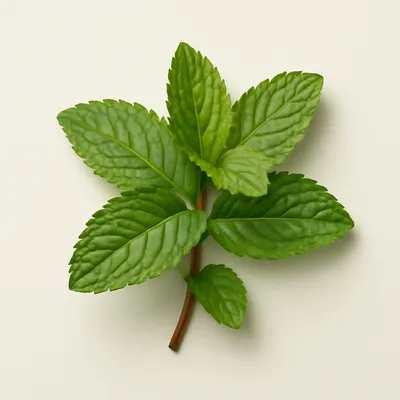
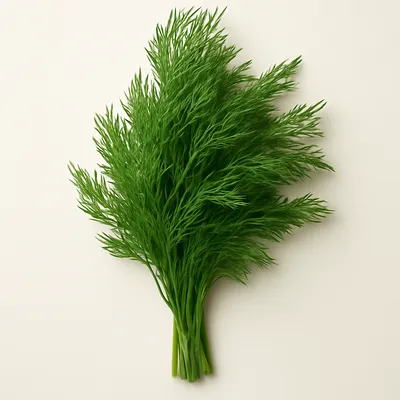
Garnish with: scattered pomegranate seeds, sliced lemon, fresh mint and dill.
- 145 min
Serve with saffron-rice plov or lavash on the side, and a small bowl of pomegranate molasses for dipping.


