A southeastern-Anatolian skewer of fresh lamb liver, cut into hazelnut-sized cubes and threaded onto thin metal skewers with small pieces of lamb tail fat (kuyrukyağı) tucked between each cube. Grilled fast over very hot oak charcoal, the fat melts and bastes the lean liver so it sears outside but stays just-set and tender within. It is seasoned simply with salt and isot, the dark sun-dried Urfa pepper, then served with raw onion, parsley, lemon and warm lavaş. In Şanlıurfa and Gaziantep it is a beloved breakfast as much as a lunch or dinner. It should not be confused with kokoreç, which is seasoned grilled lamb intestines wrapped on a turning spit — a Marmara and İzmir street food — whereas ciğer kebabı is liver cubes on skewers.


Ciğer kebabı belongs to the offal-grilling tradition of southeastern Anatolia, where Şanlıurfa (Urfa), Gaziantep (Antep) and Diyarbakır each claim it as a hometown dish — Diyarbakır's near-identical version is usually called ciğer şiş. Skewered liver grilled over fire is no recent invention: it appears in Melceü't-Tabbâhîn, the first printed Ottoman-Turkish cookbook (Istanbul, 1844, by Hoca Mehmed Kâmil), which describes sheep and lamb liver threaded on skewers and cooked over fire. Rather than a palace dish, it grew as an everyday charcoal-grill specialty of the region's ciğerci (liver grill) shops, famously eaten at breakfast. Urfa Ciğer Kebabı was registered as a Turkish geographical indication (mahreç işareti, an indication of source) on 12 January 2018 under no. 323, on an application filed by the Şanlıurfa Chamber of Commerce and Industry in 2012; the specification fixes fresh lamb liver and tail fat from the same lamb, cut hazelnut-sized, seasoned with Şanlıurfa pepper and salt, and grilled over oak charcoal.
Charcoal smoke hits first, then the contrast: a crisp, slightly bitter-mineral sear on the outside giving way to a soft, just-set interior that is rich and faintly metallic in the way good liver is. The melted tail fat coats everything, glossy and sweet against the iron of the liver. You pull the cubes off the skewer into lavaş with a fistful of raw onion, parsley and a heavy dusting of isot — the onion's sharpness and the pepper's smoky, raisiny heat cut straight through the richness. A squeeze of lemon brightens the last bites.
Liver is extremely lean, water-rich and full of heme iron, so it overcooks almost instantly: drive the interior much past 60°C and the proteins seize, the texture turns grainy and chalky, and the flavor goes harshly livery. The technique fights this on two fronts. First, the tail fat (kuyrukyağı) interleaved between the cubes has a low melting point and renders fast over the coals, basting the lean liver from the outside and shielding the surface that faces the fire. Second, the fire is kept fierce and the cooking brief, so the surface browns through the Maillard reaction and picks up charcoal aromatics while the center only just sets, staying soft and moist. Small, even cubes cook through before the outside burns. The raw onion, parsley and acidic lemon are not garnish but balance — their sharpness and acid offset the iron-mineral richness and the fat, while isot adds smoke and a slow, fruity heat. Over-grilling is the cardinal error: it dries the liver to dust.
Variations
In Şanlıurfa and Gaziantep the liver is seasoned only with salt and the protected isot pepper and served on lavaş with onion, parsley and ornamental green peppers; Antep cooks often roll the hot cubes straight into lavaş with mint and peppers. Diyarbakır's near-twin is usually called ciğer şiş. Many grills add cumin and pul biber, and beef or veal liver sometimes stands in for lamb. A pan-fried, flour-dusted cousin, arnavut ciğeri (Albanian liver), is served as a meze rather than on skewers, while in larger cities ciğer also turns up wrapped in flatbread as a quick dürüm.
On the Palate
Where Ciğer Kebabı sits in the Turkish flavor cloud
Ingredients
Serves 4How it's made
6 steps · 25 min
- 110 min
Rinse fresh lamb liver, peel off the thin outer membrane, and cut it into even hazelnut-to-walnut-sized cubes. Cut the lamb tail fat into slightly smaller pieces.
- 25 min
Soak thin metal or bamboo skewers if needed, then thread the liver and tail fat alternately — roughly two cubes of liver to one piece of fat — keeping the pieces snug but not crushed.
- 32 min
Season the skewers all over with salt and isot (Urfa pepper), and a little cumin if you like. Do not salt long in advance, as salt draws out moisture.
Watch outSalt only just before it hits the fire — salt early and it pulls water out of the liver, and you lose the sear and the tender center.
- 43 min
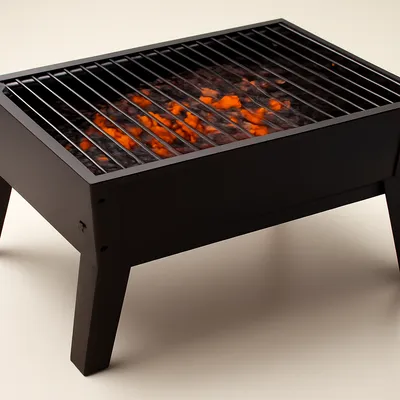
Get a charcoal grill blazing hot, ideally with oak charcoal. Lay the skewers close to the coals.
- 54 min
Grill fast, turning every 30 to 60 seconds, for about 3 to 5 minutes total, until the surface is browned and the fat has rendered and crisped but the liver centers are just set.
Watch outTurn every 30 to 60 seconds over fierce heat and pull at 3 to 5 minutes, the moment the centers just set — past that the liver seizes grainy and chalky.
- 62 min
Slide the liver and fat off the skewers onto warm lavaş. Serve at once with raw onion, parsley, lemon wedges and extra isot.
Archive tool suggestions — not reviewed
These legacy suggestions have not been evidence-reviewed and are not presented as required tools.