
Fresh squeaky cheddar cheese curds dipped in a beer batter and deep-fried until the shell crisps and the cheese inside melts to a stretchy ooze.



Cheese curds are the byproduct of cheddar production — when cheddar curds are cut and pressed, the loose pre-press curds are sold fresh as a regional snack. Wisconsin became America's dairy state in the late 19th century with German and Swiss immigrant cheesemakers, and fresh curds (squeaky against the teeth from intact protein structure) became a state-fair item. Battered and deep-fried curds emerged at supper clubs and fairs in the mid-20th century; The Old Fashioned in Madison and most Friday fish fries serve them today.
The squeak is time-sensitive: in a fresh curd the casein matrix is still tightly woven, and rubbing it on tooth enamel produces an audible squeak. After 24-48 hours enzymes break down that matrix and both squeak and fry-structure are gone.
Bite-through is the entire experience: a crackling beer-batter shell with the texture of fresh fish-fry, then a half-second of resistance, then the molten cheese pulls 15cm from your mouth — the famous Wisconsin photo. Salt-forward, faintly hoppy from the lager, the cheese itself mild and milky. Dipped in cool ranch the contrast is hot-cold-creamy. Served at every Wisconsin state fair, supper club, and Friday fish fry as a starter; eaten standing or in a paper basket.
The squeak is structural and time-sensitive: in a fresh curd, the casein protein matrix is still tightly woven, and rubbing it against tooth enamel produces an audible squeak. After 24-48 hours, continued lactic-acid buildup cuts those long casein molecules into shorter pieces and loosens the calcium-phosphate bonds holding the matrix together, so the elasticity (and the squeak) vanishes — at which point the curd also won't fry cleanly because the network can't hold the cheese in shape. That's why fried curds at a Wisconsin fair are made with curds delivered that morning.
Variations
Wisconsin State Fair lager-batter curds; The Old Fashioned (Madison) supper-club curds; Culver's chain version (statewide); Quebec poutine fresh-curd format (Canadian cousin); Mars Cheese Castle (Kenosha) curds.
On the Palate
Where Wisconsin Cheese Curds (Fried) sits in the American flavor cloud
Ingredients
Serves 4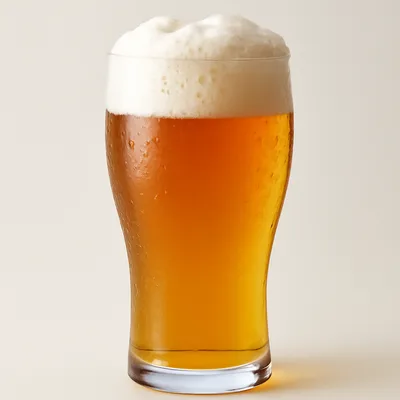

How it's made
5 steps · 20 min active + 5 min waiting
- 15 min
Use 450g fresh white cheddar cheese curds — must be 1-2 days old, still squeaky against the teeth. If older, microwave-warm 8 seconds first to restore some pliability. Pat dry on paper towels — wet curds explode in oil.
Watch outIf your curds don't squeak, they're past their window — they will leak and burn instead of frying clean.
- 26 min
Heat 1L neutral oil (canola or peanut) to 190°C / 375°F in a heavy pot. Use a thermometer — under 180°C and the batter sucks oil; over 200°C and the cheese ruptures the shell.
- 34 min
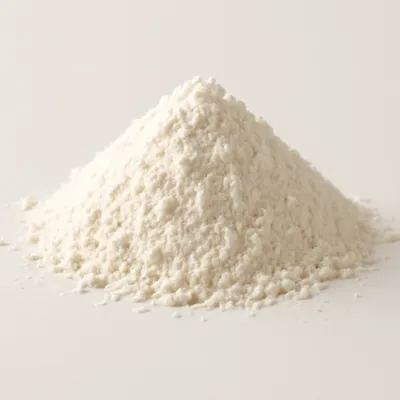
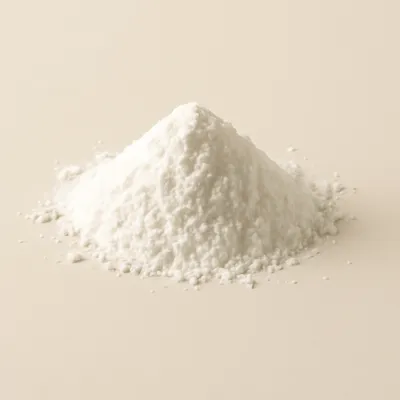
Whisk the batter: 130g all-purpose flour, 1 tsp baking powder, ½ tsp salt, ½ tsp garlic powder, 1 large egg, 240ml cold lager beer (Miller High Life or any Wisconsin lager). Should coat the back of a spoon — thicker than pancake batter.
- 48 min
Toss curds in 2 tbsp dry flour to help batter adhere. Working in small batches, dip each curd in batter and drop into the oil. Fry 60-90 seconds — golden, floating, no leaks. Lift with a spider; drain on a wire rack (not paper towel — paper traps steam and softens the shell).
Watch outIf a curd starts leaking cheese into the oil, scoop it out — it's already over and will only get worse.
- 52 min
Salt immediately. Serve with ranch dressing or marinara within 3 minutes — the molten cheese sets into rubber inside 5 minutes of leaving the oil.
Watch outCheese curds wait for no one — bring the diners to the table, not the curds to the diners.
Archive tool suggestions — not reviewed
These legacy suggestions have not been evidence-reviewed and are not presented as required tools.


