
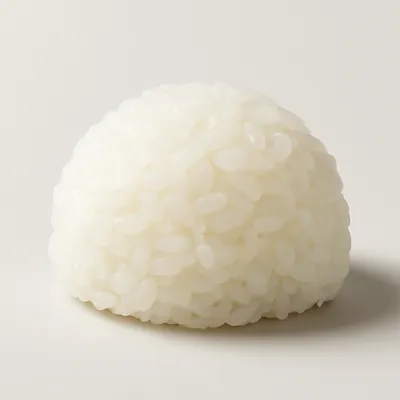
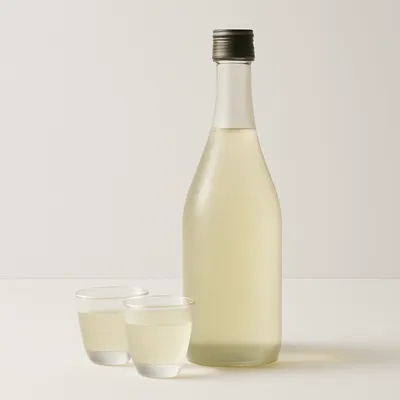
A tuna donburi: slices of lean red tuna (akami) laid over a bowl of vinegared sushi rice, finished with shredded nori, a dab of wasabi, and a drizzle of soy. The tuna is served either fresh as sashimi or, more traditionally at sushi shops, as zuke — briefly marinated in a soy, mirin, and sake mixture that firms the flesh and deepens its color. It is essentially the donburi (rice-bowl) form of tekkamaki, the tuna sushi roll, and is eaten with chopsticks rather than by hand.
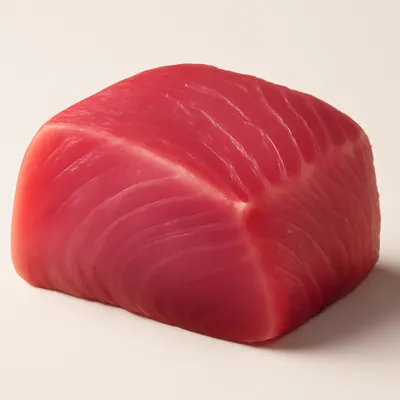



Tekkadon is the bowl-form counterpart of tekkamaki, the tuna sushi roll, and both share the name tekka (鉄火), literally 'red-hot iron' — the term for iron glowing in a forge. The most commonly cited explanation is that the deep crimson of raw tuna's lean flesh resembles white-hot iron; some accounts add that the sharp heat of the wasabi reinforces the image. A separate, popular theory holds that tekkamaki took its name from the tekkaba (鉄火場), the gambling dens of the Edo period, where a nori-wrapped tuna roll could be eaten one-handed without dirtying the fingers or the cards — but this gambling-den account is folk tradition rather than documented fact. The marinated zuke style of tuna is rooted in a genuine Edo-period technique: before refrigeration, tuna spoiled quickly on the way to Edo, so it was steeped in soy sauce both to preserve it and to draw out its umami, and zuke became one of the canonical preparations of Edomae sushi.
Lean tuna cut for a bowl eats clean and slightly resilient, with a faint metallic sweetness; zuke tuna is denser and stickier, its surface glossed dark by the soy and tasting more concentrated. The fish should sit just below room temperature against rice that is warm to body heat and tart with vinegar, so each mouthful runs cool fish into warm, seasoned rice. The nori adds a toasted, marine note, and the wasabi arrives last as a brief, clean heat up the nose rather than a burn on the tongue. Tuna served stone-cold or rice gone cold and clumped both flatten the dish.
Tekkadon works on the umami synergy between fish and soy: tuna is rich in inosinate (a nucleotide), soy sauce in glutamate (an amino acid), and combining the two amplifies perceived savoriness far beyond either alone — the effect peaks near a 1:1 ratio and is several-fold stronger than the sum of the parts. In the zuke marinade, the salt in soy plus the mirin and sake pull moisture from the surface of the fish by osmosis, firming the flesh into a denser, slightly sticky texture while seasoning it through. The sushi rice matters as much as the fish: seasoned with vinegar, salt, and sugar and held at body temperature, its acidity and warmth balance the rich raw tuna and keep the grains loose. Tuna is sliced across the grain — the knife drawn through in a single pull perpendicular to the muscle fibers — so the slices stay tender and cut cleanly rather than turning stringy.
Variations
The closest sibling is tekkamaki, the same tuna rolled in rice and nori. Zuke-don (or maguro-zuke-don) is the bowl built specifically on soy-marinated tuna; negitoro-don swaps in fatty minced tuna (toro) mixed with chopped scallion for a richer, softer topping. Kaisendon is a broader mixed-seafood rice bowl rather than tuna alone, while chirashizushi scatters assorted fish and garnishes over vinegared rice. Fresh-sashimi and zuke (marinated) styles are the two main ways the tuna itself is prepared.
On the Palate
Where Tekkadon sits in the Japanese flavor cloud
Ingredients
Serves 2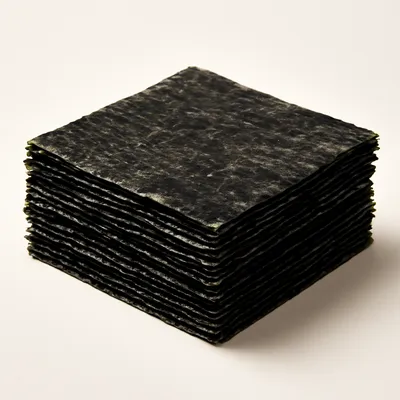
How it's made
7 steps · 20 min active + 30 min waiting
- 120 min
Cook short-grain rice, then fold in sushi vinegar (rice vinegar, sugar, salt) while still hot and let it cool to just-warm body temperature, fanning to glaze the grains.
Watch outFold the sushi vinegar into the hot rice, then fan it to just-warm — fanning glazes the grains shiny and stops them going gluey, and the rice matters as much as the fish.
- 225 min
Optional zuke: whisk soy sauce with mirin and sake, briefly heat to cook off the alcohol, and cool. Slice the tuna and steep it in the cooled marinade for 15 to 30 minutes in the fridge.
- 35 min
If serving fresh, slice the chilled tuna block across the grain into even pieces about 5 mm thick, drawing the knife through in single strokes.
Watch outSlice the chilled tuna across the grain in single clean strokes — sawing tears the flesh; one draw of the knife keeps each piece smooth-faced.
- 42 min
Shred or snip the nori into fine strips.
- 51 min
Mound the warm sushi rice into bowls and level the surface.
- 62 min
Lay the tuna slices over the rice, fanned or overlapping to cover it.
- 72 min
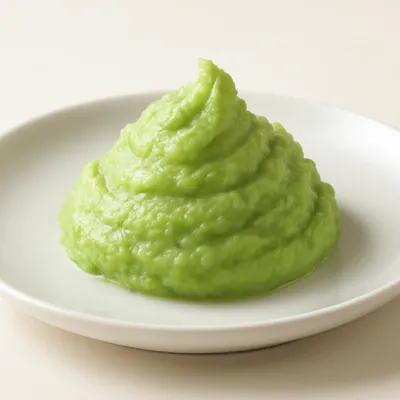
Scatter the nori over the top, add a small mound of wasabi, and for fresh tuna drizzle lightly with soy sauce just before serving.
Archive tool suggestions — not reviewed
These legacy suggestions have not been evidence-reviewed and are not presented as required tools.


