
Sekihan is glutinous rice (mochigome) steamed with azuki beans, which tint the rice a pale reddish-pink and stud it with soft, whole beans. The beans are first parboiled and their reddish cooking liquid saved; the rice is soaked in that liquid to take up the colour, then steamed with the beans so the grains stay firm, sticky and glossy. It is served as a celebratory dish — for festivals, birthdays, weddings, a birth or a coming-of-age — usually sprinkled with gomashio, a mix of toasted black sesame and salt. In the Kanto region it is often made with sasage (cowpeas) rather than azuki.


Red rice has deep roots in Japan: an ancient native red rice (akamai) is thought to have been offered to the gods, and the colour red has long been believed to ward off evil and misfortune, which is why red-tinted rice came to mark auspicious occasions. The modern dish, made by colouring white glutinous rice with azuki, became the standard celebratory rice eaten at life's milestones and seasonal festivals. A regional difference is well documented in Kanto, where cowpeas (sasage) are used instead of azuki: azuki skins split easily when boiled, and the split — evoking a cut belly — was felt to be an unlucky omen, so the firmer-skinned sasage, which holds its shape, was preferred for celebrations.
Faintly pink, glossy grains that cling together in plump, chewy clumps, set with whole beans that yield to a soft, mealy bite. The flavour is gentle and clean — the glutinous rice is mildly sweet and starchy, the beans earthy and barely sweet, with no heavy seasoning to mask them. The gomashio on top is the contrast that makes the dish: toasted black sesame's nuttiness and a hit of salt against the bland, sticky rice. Best eaten warm, when the grains are at their stickiest and most fragrant, though it is also good cold from the box.
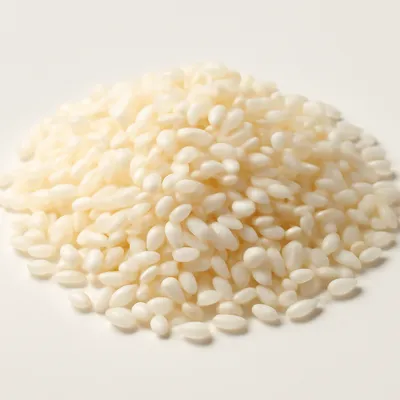
Two things matter: the colour and the texture. The pinkish hue comes from anthocyanin pigments in the azuki skins, which dissolve into the cooking water; soaking the rice in that liquid stains the grains, and traditionally the liquid is aerated by scooping and pouring it (uchimizu) to deepen the red through exposure to air. The chewy, sticky texture comes from glutinous rice, which is almost pure amylopectin starch with little amylose, so its grains turn tacky and elastic rather than fluffy and separate. It is steamed rather than boiled so the grains absorb moisture gradually and stay distinct and firm, instead of swelling into a soft mush.
Variations
The clearest split is azuki versus sasage (cowpeas): azuki is the older and more widespread choice, while Kanto favours sasage to avoid the unlucky split skin. Some regions add a little sugar for a sweeter rice, others keep it plain and savoury. In parts of Hokkaido and the north, a version called amanatto sekihan uses sweetened amanatto beans and is tinted pink with food colouring rather than bean liquid. Beyond the festive sekihan, plain azuki rice (azuki gohan) is an everyday, less ceremonial cousin, and the same beans sweetened make the anko paste at the heart of countless wagashi.
On the Palate
Where Sekihan sits in the Japanese flavor cloud
Ingredients
Serves 4How it's made
7 steps · 30 min
- 110 min
Rinse the azuki (or sasage) beans, cover with water, bring to a boil, then drain off the first water to remove bitterness.
Watch outBoil the beans briefly and drain off that first water — it carries the bitterness you don't want in the rice.
- 225 min
Add fresh water and simmer the beans until just tender but not split, then drain, reserving the reddish cooking liquid.
Watch outSimmer the beans just until tender but not split, and save the reddish liquid — that liquid is what dyes the rice pink.
- 35 min
Cool the liquid, scooping and pouring it through the air a few times to deepen the colour.
- 4240 min
Rinse the glutinous rice and soak it in the cooled bean liquid for several hours, topping up with water to cover.
- 510 min
Drain the rice, reserving the soaking liquid, and combine the rice with the beans in a steamer lined with cloth.
- 650 min
Steam over high heat, sprinkling with the reserved liquid once or twice, until the grains are cooked, sticky and glossy.
Watch outSteam the glutinous rice, don't boil it — steaming lets the grains stay distinct and sticky rather than turning to a wet mush.
- 73 min
Turn out, mix gently, and serve sprinkled with gomashio (toasted black sesame and salt).
Archive tool suggestions — not reviewed
These legacy suggestions have not been evidence-reviewed and are not presented as required tools.


