In Practice
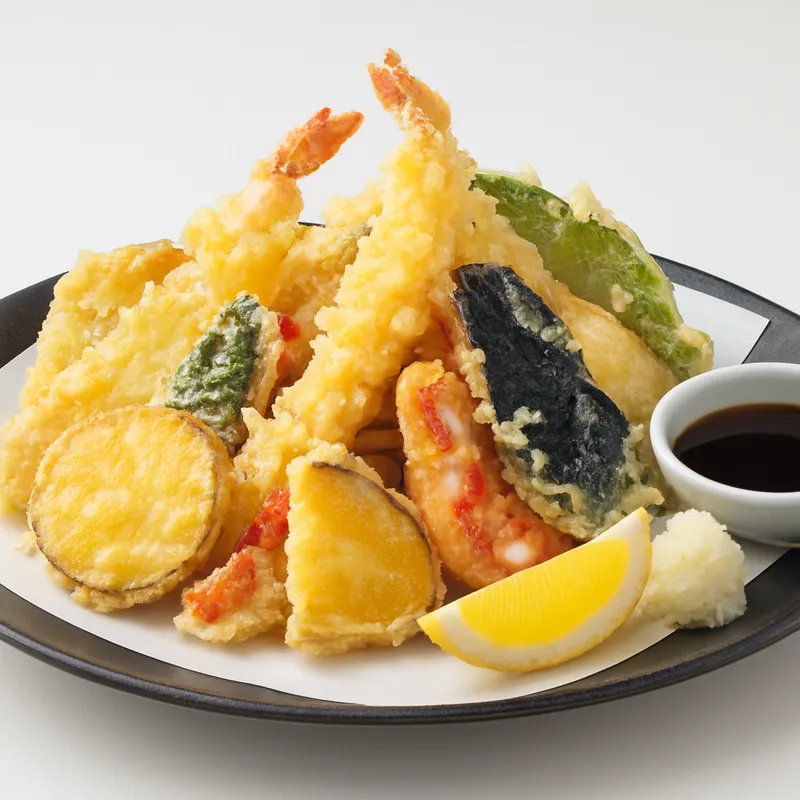
Canonical sequence (8-14 courses): sakizuke → hassun → mukozuke → wanmono/suimono → yakimono → takiawase → naka-choko (palate cleanser) → shiizakana → gohan + ko-no-mono + tomewan → mizumono. Each portion 30-80 g. Plates are matched to the season (raku-yaki in autumn, glass in summer). Failure mode: serving off-season ingredients — kaiseki collapses without shun; a chef who uses out-of-season hamo in winter has broken the architecture.
Background
Kaiseki emerged in the tranquil tea rooms of Kyoto during the Muromachi period in the 14th century. It was born from the Zen Buddhist practice of serving simple meals to accompany the tea ceremonies. The term 'kaiseki' refers to the practice of monks warming stones to keep in their robes, symbolizing the meal's purpose to warm the stomach and spirit. This minimalistic yet profound approach took root in Kyoto's refined cultural ethos, where balance and seasonality were paramount.
As tea culture flourished, Kaiseki evolved, spreading across Japan and becoming more elaborate. By the Edo period, it transformed into a high art of dining, incorporating a greater variety of dishes and artistic presentation. While regions like Osaka and Tokyo adapted Kaiseki to include local ingredients and styles, Kyoto remains the heart of traditional Kaiseki, where each dish still reflects the seasons and the chef's personal philosophy.
How It Works
A multi-course architecture where each plate is a single ingredient at peak seasonality (旬, shun), presented to register one taste-axis at a time: hassun (seasonal bridge), mukozuke (raw fish acid), suimono (clear broth umami), takiawase (simmered vegetable sweetness), yakimono (grill smoke). The cultural mechanism is *progressive isolation* — opposite of mezze's simultaneous spread.



Through Time
Sen no Rikyū (1522-1591) codified cha-kaiseki — the light meal preceding tea ceremony — in his Wabi-cha aesthetic at Daitoku-ji, Kyoto. The character 懐石 (warm-stone-in-robe) references Zen mendicant practice. Edo-period (1603-1868) ryōtei expanded this into 会席 banquet-kaiseki. Modern reference: Kitcho Arashiyama (1930, Yuki Teiichi) and Hyotei (founded 1837, Kyoto's 14-generation house).
Related cooking knowledge
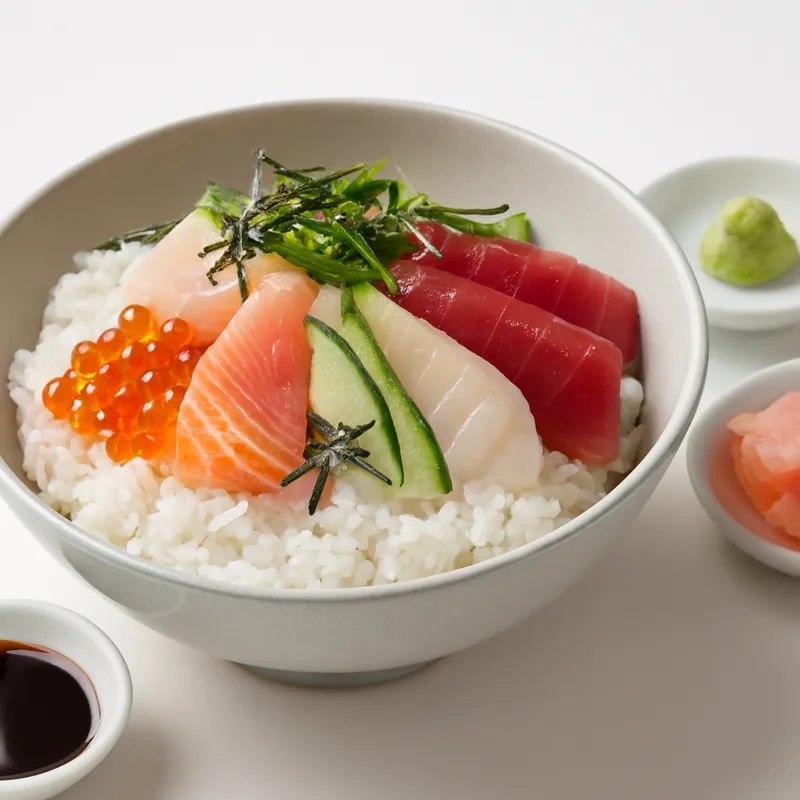
Edomae-zushi sits inside kaiseki's mukozuke logic — one bite, peak season, no second chance. Banchan is the structural opposite: everything at once vs kaiseki's strict progression. Steaming and grilling appear in fixed positions (mushimono and yakimono); umami via dashi is the architectural binder across all wan-mono and suimono courses.