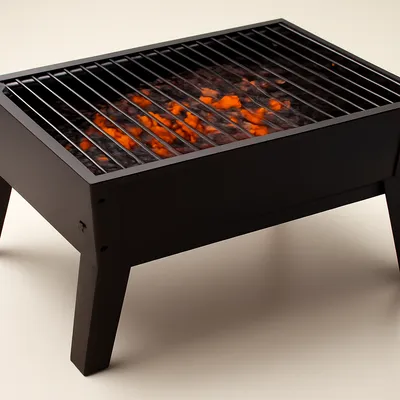
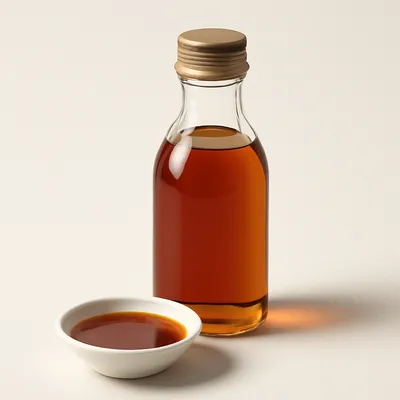
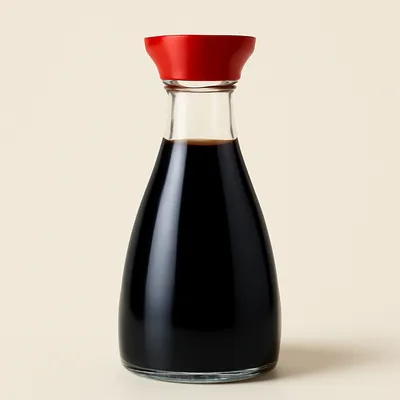
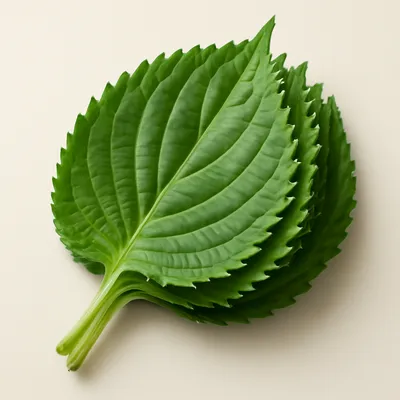
Deungsim-gui is grilled beef loin — the prized sirloin running along the back — cooked plain at the table as a high-end Korean barbecue. It sits at the top of a beef-grill menu alongside galbi and the leaner tenderloin, valued for the way good marbling melts into tender, full-flavored meat. Korean beef grilling treats a cut this fine with restraint: little or no marinade, a hot grill, and a simple dip so the meat speaks for itself. The slices are eaten with sesame-oil salt and, often, a little wasabi-soy, wrapped in greens or taken on their own.



Grilled beef has the most prestigious lineage in Korean cookery, descending from neobiani, the seasoned grilled beef of the royal and aristocratic table, and from the broader tradition of gui. As beef remained costly through much of Korea's modern history, premium grilled cuts like the loin signaled a special occasion, and specialist beef houses built their reputation on the quality of their hanwoo, the prized native cattle. Where everyday barbecue leaned on pork and on marinated cuts that stretched cheaper beef, deungsim-gui represents the unmarinated, top-grade end of the tradition, where marbling and freshness are the whole point.
The texture is tender and yielding with a fine, juicy grain, and the marbling gives a clean, buttery richness that fills the mouth without the chew of tougher cuts. Grilled just past pink, the surface carries a savory sear while the center stays soft and moist. A dab of sesame-oil salt sharpens the savor, and a touch of wasabi-soy cuts the fat and lifts the beefy aroma.
Loin is a lightly worked back muscle, so it is naturally tender and finely marbled, and the intramuscular fat melts at grilling temperatures to baste the meat from within. High, direct heat drives the Maillard browning that builds the savory crust, but because the cut is lean relative to belly fat, it overcooks quickly; it is sliced to a moderate thickness and grilled fast, turned once, and pulled while the center is still rosy. Leaving it unmarinated keeps the delicate flavor and even browning intact, since sugary marinades would scorch and mask a cut this good.
Variations
Deungsim is most often grilled plain, but it also appears thinly sliced for bulgogi and in soy-marinated forms. Premium houses may serve it as a tasting flight of different grades and cuts, and the tenderloin is offered as an even leaner alternative. Beyond the grill, loin is used for beef tartare, quick stir-fries and steak-style pan dishes, and trimmings enrich soups and rice bowls.
On the Palate
Where Deungsim-gui sits in the Korean flavor cloud
Ingredients
Serves 3How it's made
6 steps · 20 min
- 15 min
Bring the beef loin to room temperature and slice to a moderate thickness across the grain.
- 23 min
Heat a grill plate or charcoal grill until very hot.
- 33 min
Lay the slices down and sear undisturbed until the underside is well browned.
Watch outGet the grill screaming hot before the beef touches it, then leave it alone until the underside is well browned — moving it too soon means no crust.
- 42 min
Flip once and grill briefly until the center is just rosy.
Watch outFlip once and pull while the center is still rosy — loin is lean and goes dry the second it's cooked through.
- 51 min
Cut into bite-size pieces on the grill if needed.
- 61 min
Serve at once with sesame-oil salt, wasabi-soy, and greens for wrapping.
Archive tool suggestions — not reviewed
These legacy suggestions have not been evidence-reviewed and are not presented as required tools.