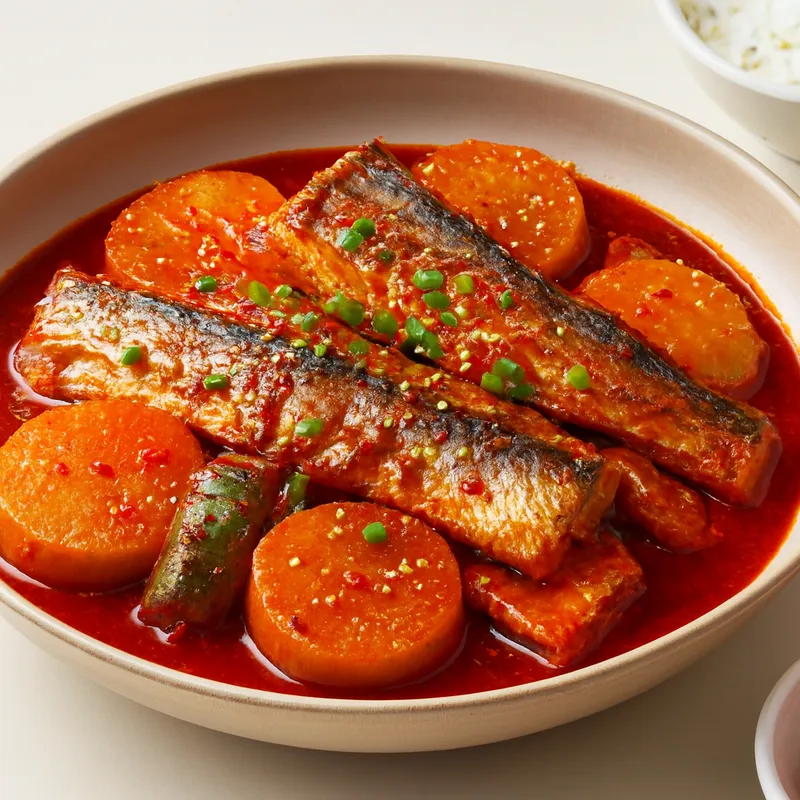
Gopchang-jeongol is a beef-offal hot pot simmered tableside in a spicy red broth. Cleaned beef small intestine — gopchang — along with other innards is laid in a wide jeongol pan with onion, leek, mushrooms, garlic chives and crown daisy, dressed with a gochugaru-and-gochujang seasoning paste, and covered with stock to bubble over a burner. The tripe turns tender and richly fatty as it cooks, the broth deepening into something spicy, savory and slightly sticky from the rendered fat. Hearty and convivial, it is a drinking-table favorite, usually finished by stir-frying rice into the leftover sauce.


Koreans have long eaten beef offal — grilled gopchang and makchang are old market and tavern fare — and the jeongol, the shallow tableside hot pot, is an old format for cooking an arranged spread communally. Gopchang-jeongol is the meeting of the two: a hearty offal stew that is folk and tavern food rather than a documented historical dish, with no single inventor or founding date. It belongs to the thrifty, nose-to-tail tradition of using the whole animal, and grew up around drinking culture and the beef-offal specialist restaurants. The careful cleaning the dish demands and the richness it delivers have kept it a prized, somewhat indulgent pot rather than everyday fare.
Gopchang is all about its texture: tender, springy and chewy at once, with a soft pocket of rich fat inside the intestine that bursts savory and creamy when you bite through. The spicy broth is deep and a little sticky, clinging to everything, its heat building over the meal as the fat renders into it. Crown daisy and garlic chives cut the richness with a fresh, herbal edge, mushrooms drink up the sauce, and the whole pot grows more intense the longer it simmers. It is robust, fatty and unmistakably offal — soft where you expect chew, savory to the point of craving.
Offal needs work before the pot. Beef intestine is scrubbed with flour and salt and rinsed repeatedly, sometimes blanched with aromatics, to strip the slime and the strong smell; ginger, garlic, leek and pepper in the cooking further mask any gaminess. The intestine carries a generous load of fat that renders slowly into the broth, which is exactly what makes the sauce rich, glossy and faintly sticky — so the pot is simmered long enough to soften the chewy tripe and let that fat melt out and emulsify into the liquid. The wide jeongol pan and live burner keep it at a working simmer and let the broth concentrate as you eat. Frying rice in the leftover sauce at the end soaks up the rendered fat and seasoning, the traditional close.
Variations
The mix of offal varies — small intestine gopchang, the fattier makchang, and sometimes tripe and other innards together. The broth runs from a deeply spicy gochugaru base to milder versions, and a splash of soju or rice wine is often added to cut the richness and smell. Some pots lean heavily on vegetables and glass noodles, others on the offal itself. The same gopchang is also grilled over charcoal as gopchang-gui or stir-fried as gopchang-bokkeum; the jeongol is the soupy, shareable form, and frying rice in the dregs at the end is near-universal.
On the Palate
Where Gopchang Jeongol sits in the Korean flavor cloud
Ingredients
Serves 4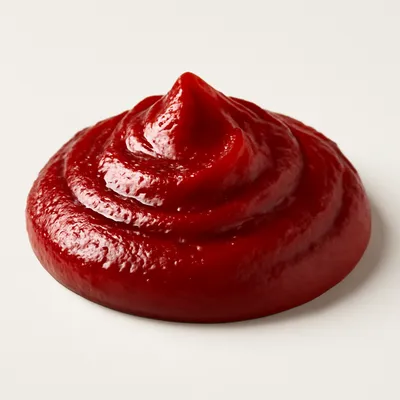


How it's made
8 steps · 50 min active + 40 min waiting
- 125 min
Clean the beef intestine thoroughly, rubbing with flour and salt and rinsing several times to remove slime and smell.
Watch outScrub the intestine with flour and salt and rinse until it no longer smells — skip this and the whole pot tastes gamey.
- 212 min
Blanch the intestine briefly with ginger, leek and pepper, then drain and cut into pieces.
- 35 min
Make a seasoning paste of gochugaru, gochujang, soy sauce, minced garlic, ginger and a little sugar.
- 46 min
Arrange the intestine, sliced onion, leek, mushrooms and garlic chives in a wide jeongol pan and add the seasoning paste.
- 53 min
Pour in beef or anchovy stock and set the pan on a tabletop burner.
- 630 min
Bring to a boil, then simmer until the intestine is tender and the fat has rendered into the broth.
Watch outSimmer long enough that the chewy tripe softens and its fat melts into the broth — that rendered fat is what makes the sauce glossy and rich.
- 74 min
Add crown daisy near the end and eat straight from the bubbling pan.
- 88 min
Stir-fry rice into the leftover sauce to finish the meal.
Archive tool suggestions — not reviewed
These legacy suggestions have not been evidence-reviewed and are not presented as required tools.